
Phacet vs. Copilot for Finance: why specialized AI outperforms generic tools
Published on :
June 15, 2026

Nicolas Marchais is co-founder and CEO of Phacet. After seven years at Spendesk, he built Phacet as the agentic layer that orchestrates across ERP, banking and email systems. Reliable, auditable, cross-system, what he calls a Finance Workforce.

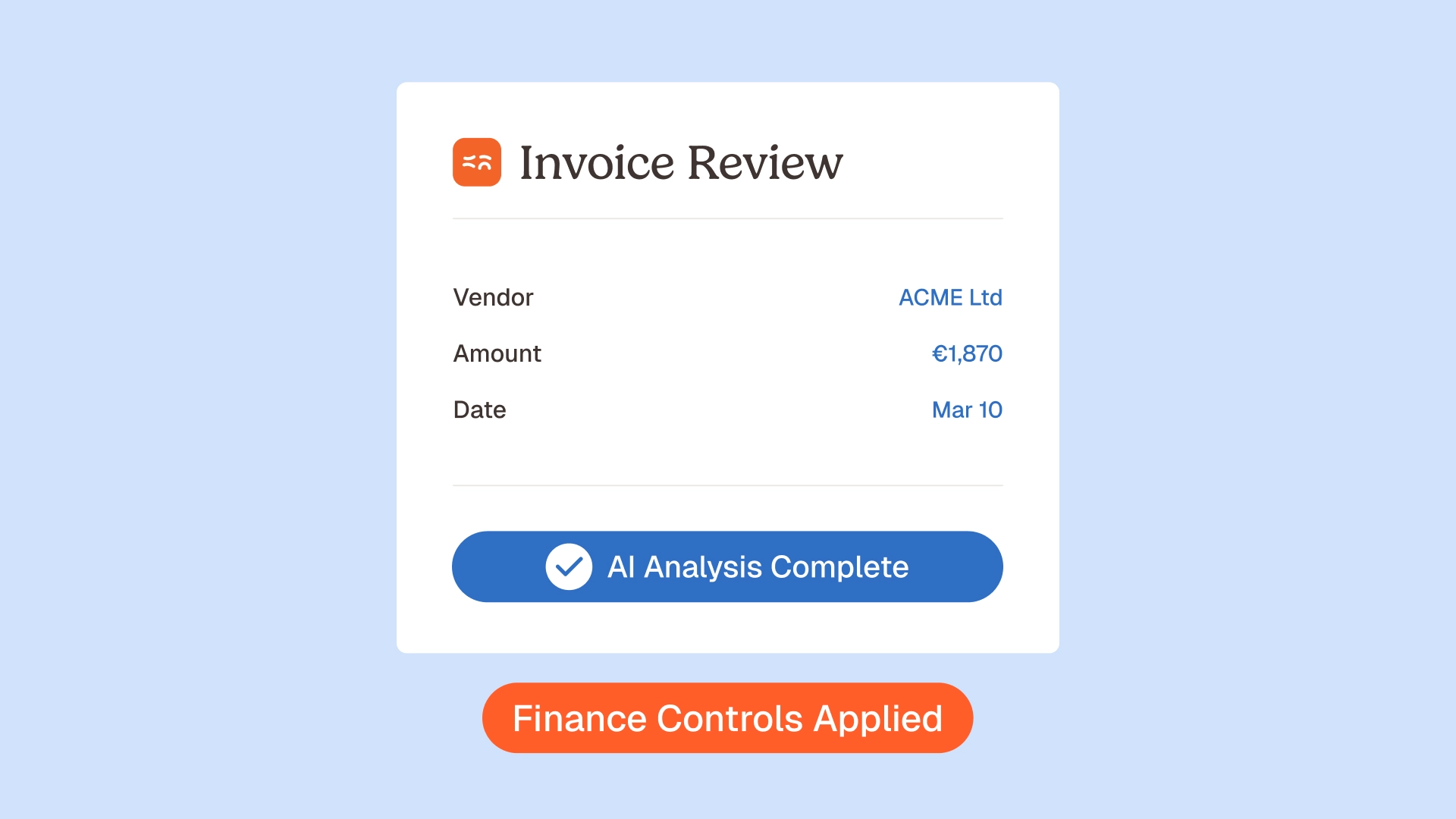
Picture the supplier invoice that lands in your inbox with three lines priced above the rate you negotiated. Microsoft Copilot for Finance can summarize that invoice for you. It will not catch the overcharge before you pay it. Phacet will.
That single gap captures the difference between the two tools. Both put artificial intelligence to work in finance, but they answer different questions. Copilot for Finance helps a person work faster inside Microsoft 365. Phacet runs the control itself, across every system your money flows through, and leaves a trace you can audit.
This guide compares the two on the criteria that actually decide outcomes for a finance team: where the work happens, who does the work, and whether the result holds up under audit.
What is Microsoft Copilot for Finance?
Microsoft Copilot for Finance is an AI assistant built into Microsoft 365 and Dynamics 365. It helps finance professionals draft narrative commentary, reconcile data inside Excel, run variance analysis, and summarize customer interactions for collections, all without leaving the Microsoft suite.
It is genuinely useful for teams that already live in Excel, Outlook and Dynamics. It speeds up reporting, surfaces outliers, and turns a blank cell into a first draft. Microsoft positions it as a finance-tuned layer on top of its general Copilot, fine-tuned with finance datasets and connected to Dynamics financial modules.
The constraint is structural: its value is highest when your finance data already lives in Microsoft 365 and Dynamics. Reaching data that sits elsewhere usually means exporting it into the suite first.
What is Phacet?
Phacet is a catalog of specialized finance AI agents, built on a platform that keeps them reliable in production. An AI agent is a software worker that performs a defined job end to end, rather than waiting for a prompt each time.
Where a generic assistant answers questions, a Phacet agent does a job: it structures your documents into auditable tables, matches and verifies every flow, then surfaces the anomalies that need a human. This is the Structure, Match and Analyze model that runs under every agent in the catalog.
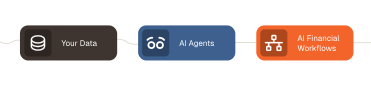
Phacet sits on top of whatever you already use. It does not replace your ERP and it does not require a migration. It reads from your accounting tool, your bank, your point of sale and your supplier email, then runs the control across all of them. You can browse the full catalog of finance AI agents or read more about what agentic finance means.
Phacet vs Copilot for Finance: the head-to-head comparison
The fastest way to see the difference is side by side. The table below compares both tools on the criteria that change how a finance team operates day to day.
Three differences in that table matter more than the rest. They are the reason a specialized tool outperforms a generic one for operational finance work.
1. Cross-system control vs locked to Microsoft 365
Copilot for Finance is at its best inside the Microsoft ecosystem. Phacet is built to work across the systems a real finance team uses, whatever the brand.
This is the difference most mid-market teams feel first. A 50 to 500 employee company rarely runs everything on Dynamics 365. It runs accounting on Pennylane, Sage, Cegid or NetSuite, banking on its own portals, revenue through a point of sale, and approvals through email. Copilot for Finance reaches that data only once it is inside Microsoft 365.
Phacet reads from all of those sources directly. The agent that reconciles your bank statements does not care whether your ERP is Microsoft or not. That cross-system reach is the core of the agentic layer for finance: it orchestrates between your tools instead of asking you to consolidate everything into one suite first.
2. Agents that execute, with an audit trail, vs an assistant that suggests
Copilot for Finance suggests, drafts and recommends. A human still runs the task. A Phacet agent runs the task itself, then logs what it did.
An assistant is a powerful autocomplete: it helps you write the reconciliation faster, but you are still doing the reconciliation. An agent performs the reconciliation on a schedule and hands you only the exceptions. The difference compounds every month.
The part a generic tool cannot match is the audit trail. Every decision a Phacet agent makes is traced, time-stamped and reviewable, with an AI confidence score on each result. When an auditor or your DAF asks why a line was flagged, the answer is on record. A summary drafted inside Excel leaves no such trace. If you want the deeper distinction, see SaaS vs AI agent.
3. Control before payment vs reporting after the fact
Copilot for Finance shines at reporting and analysis, which is work that happens after the numbers are booked. Phacet runs the control before the money leaves, which is where the savings actually are.
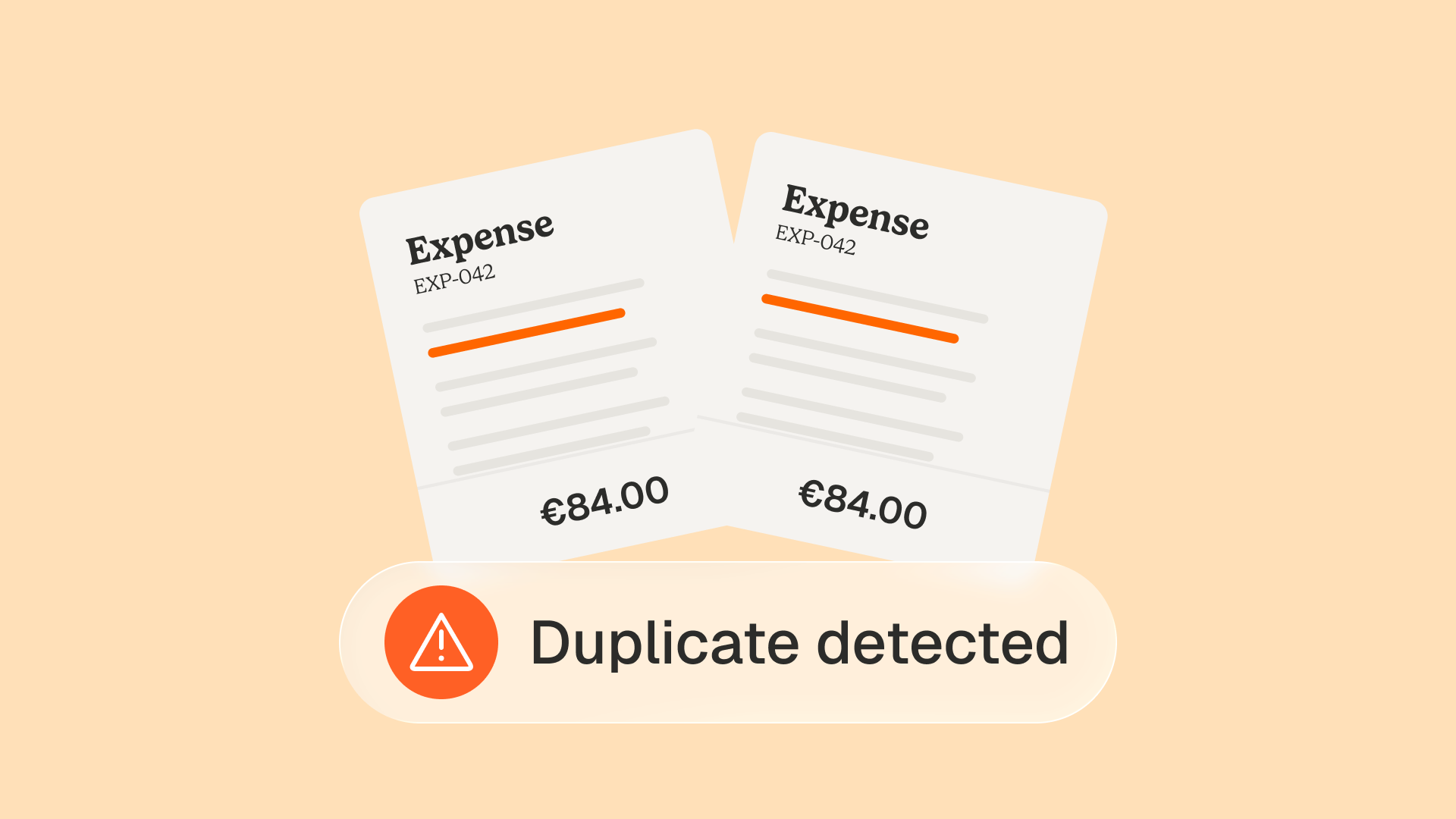
Reporting tells you what happened. Control stops the wrong thing from happening. Catching a supplier overcharge in next month's variance report is useful. Catching it before you pay the invoice is money kept in the business. This is the white space that generic finance AI leaves open, and it is the heart of Phacet's approach to invoice control before payment.
Concrete examples from the internal controls and accounts payable catalogs:
- The agent that runs 3-way matching compares purchase order, delivery note and invoice automatically. Smartbox reached four times the productivity on this control alone.
- The agent that will control supplier billing and reduce overpayments checks each invoice line against the agreed terms.
- The agent that will control your food supplier price list verifies every line against negotiated prices. Astotel recovered 5,000 euros a year on a single supplier with this check.
You can see how this fits a broader control strategy in AI agents for finance control.
Is Microsoft Copilot for Finance good for finance teams?
Yes, for the right job. Copilot for Finance is a strong fit when your team already runs on Microsoft 365 and Dynamics, and your priority is faster reporting, commentary and analysis inside those apps.
It is fair to give the tool its due. For drafting a management summary, building a first-pass model in Excel, or pulling a quick narrative from Dynamics data, a native assistant is hard to beat. The known limits, cited even by Microsoft-focused reviewers, are its dependence on the Microsoft stack, limited customization for industry-specific workflows, and licensing cost at scale.
The question is not whether Copilot for Finance is good. It is whether an assistant inside one suite covers the operational control work that runs across your whole stack. For most mid-market teams, it does not.
When should you choose Phacet over Copilot for Finance?
Choose Phacet when the job is operational control across a mixed tool stack, and when the result needs to be traceable. Choose Copilot for Finance when the job is reporting and analysis inside Microsoft 365.
The table below maps common finance jobs to the better-fit tool.
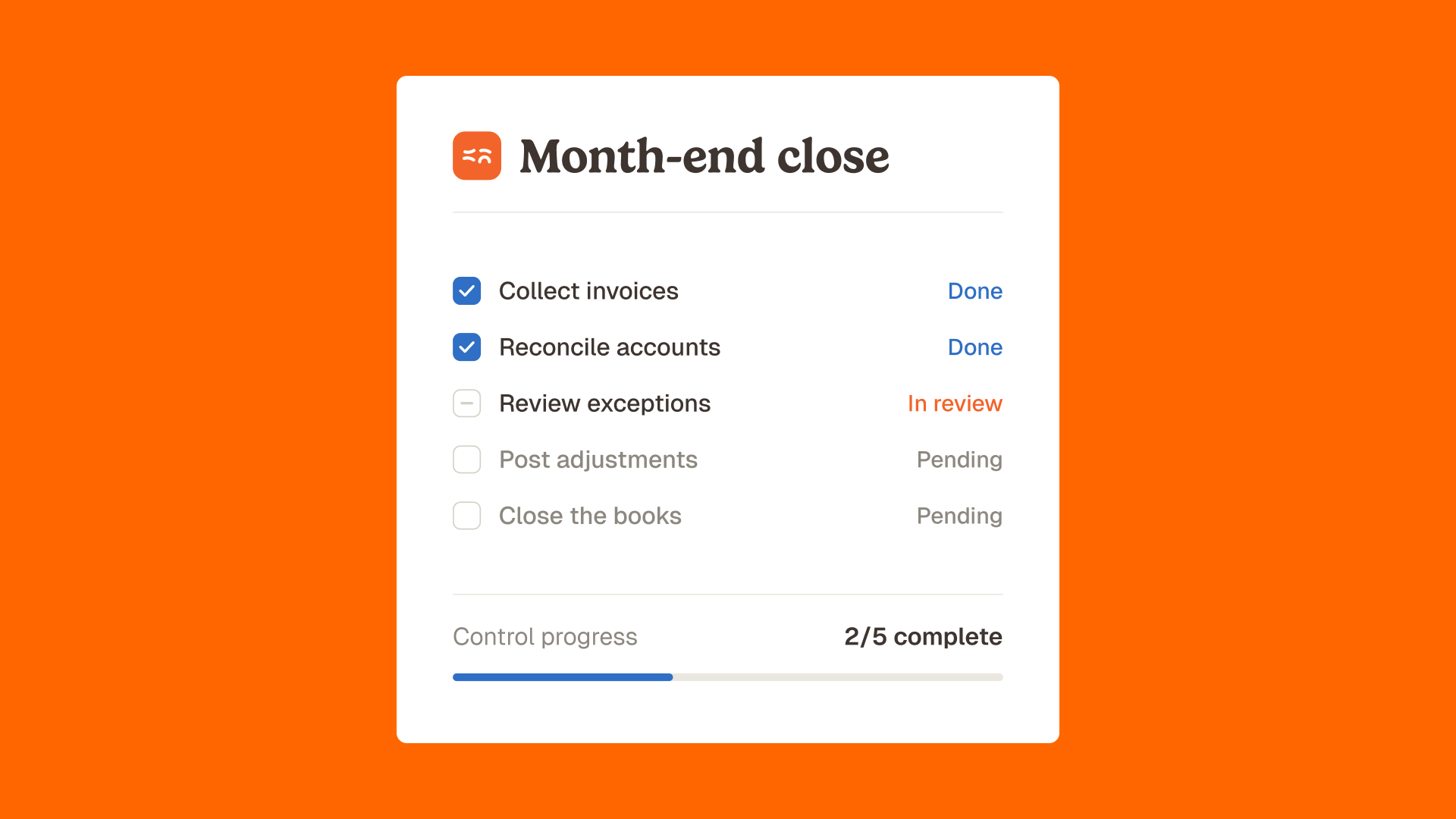
For a finance leadership team, the deciding factor is usually scalability of control: closing faster without control costs exploding. For a financial control function, it is reliability of the underlying data and catching anomalies before they reach the report.
Are Phacet and Copilot for Finance mutually exclusive?
No. They sit at different layers and can run side by side. Copilot for Finance accelerates the analysis and reporting your team does inside Microsoft 365. Phacet runs the controls and reconciliations that keep the data feeding those reports trustworthy in the first place.
Without reliable data upstream, faster reporting just produces faster wrong answers. A common setup is to let Phacet structure, control and reconcile across the stack, then let a reporting assistant work on numbers it can trust. Phacet is an agentic platform that complements your existing tools rather than competing with them.
Specialized vs generic finance AI: what the comparison really shows
Generic AI tools, including generative AI assistants, are remarkable at drafting, summarizing and answering. What they do not do is know your suppliers, your price lists, your accounting rules and your ERP. They do not produce an audit trail. They do not connect to your bank feed or your supplier mailbox. And they were not trained on a hundred real finance deployments.
Phacet was. That is what specialization means here: not a finance-flavored chatbot, but agents built around the real jobs that consume 80 percent of a finance team's time, running in production in under two weeks.
On data, the difference is also about trust. Phacet hosts in the EU, is ISO 27001 certified and GDPR compliant, and does not use your data for training. You can read how Phacet handles the confidentiality of data entrusted to AI agents or review the security model.
FAQ
What is the difference between Copilot and Copilot for Finance?
Microsoft Copilot is a broad assistant across Microsoft 365 for general productivity. Copilot for Finance is the finance-tuned version, designed for financial professionals and connected to Dynamics financial modules. Both are assistants inside the Microsoft suite, not autonomous agents that execute controls across other systems.
Is Copilot good for finance?
Copilot is good for finance reporting and analysis inside Microsoft 365: drafting commentary, reconciling data in Excel, running variance analysis. It is less suited to operational control work that spans non-Microsoft systems, and it does not produce a native audit trail of the controls it performs.
What are the best AI agents for finance?
The best AI agents for finance are the ones that execute a complete job end to end, connect across your existing tools, and trace every decision for audit. Strong use cases include 3-way matching, supplier price control, bank reconciliation and invoice control before payment.
What are good alternatives to Microsoft Copilot for Finance?
If your finance stack is not Microsoft-centric, or you need controls that execute rather than an assistant that suggests, a specialized agent platform like Phacet is the closer fit. It works across Pennylane, Sage, Cegid, NetSuite, your bank and your supplier email, with a native audit trail.
How quickly can a finance team get value from Phacet?
The first Phacet agent is typically live in production in under two weeks, because agents are pre-built around real finance jobs and sit on top of your existing systems without a migration.
The bottom line
Copilot for Finance makes a person faster inside Microsoft 365. Phacet makes the control happen across your whole stack, and proves it happened. If your priority is reporting inside the Microsoft suite, Copilot for Finance earns its place. If your priority is controlling money before it leaves and trusting the numbers underneath your reports, that is specialized work, and a specialized agent does it better.
The shift is simple to state: your finance team stops checking invoices by hand and starts reviewing only the exceptions an agent already caught. Your people move from processing to analysis, and your control becomes a strategic asset instead of a cost center.
See how the agents work on your own stack. Book a demo or review pricing to start with a single agent.
Latest Resources

Unlock your AI potential
Go further with your financial workflows — with AI built around your needs.


