

Day four of the close. The controller is working through a list of forty lines that no one can name: transfers with no reference, customer payments that match no invoice, a payment issued before its invoice ever arrived. Every one of them is sitting in the suspense account, and none of them can stay there.
A suspense account is a general ledger account that temporarily holds a transaction whose correct classification is not yet known. It is a temporary account by design: it keeps the books balanced while the missing information is found, then returns to a zero balance before the accounts are closed.
Almost every finance team uses one. Very few track what passes through it. That is the missed signal, because the volume flowing through a suspense account measures precisely how much of a company's transaction flow nobody could identify on the spot. Treated as a chore, it costs two days at every close. Treated as a metric, it tells you exactly which control is missing upstream.
Key takeaways
- A suspense account holds entries that cannot be assigned to a definite account at the moment they are recorded.
- US GAAP does not prescribe a chart of accounts, so no standard suspense account number exists in the United States.
- In France, article 1214-47 of the Plan comptable general assigns this role to accounts 471 to 473 and requires the entries to be reclassified at year end.
- A suspense balance that grows month after month points to a reconciliation gap upstream, not to an accounting error downstream.
- Three numbers make the account readable: closing balance, number of open lines, and age of the oldest one.
What a suspense account is, and what it is not
The mechanics are simple. An amount arrives, the counterpart is unknown, the entry goes to suspense so the ledger stays balanced, and it comes out once the missing information turns up. What varies is how much discipline surrounds that round trip.
It is worth separating the suspense account from the account it gets confused with most often. A clearing account is opened deliberately, for a known and recurring flow that passes through it by design: payroll, card settlements, cash collection. A suspense account holds items whose destination is unknown. If the same type of transaction lands in suspense every month, it is not an exception, it is a clearing account that was never set up.
The second confusion is with accruals. An accrual is a timing question: you know where the amount goes, not yet when. A suspense entry is an identification question: you do not know where it goes at all. Filing one as the other hides a data problem behind a period-end treatment, which is exactly how a suspense balance becomes invisible.
What belongs in a suspense account, and what does not
A suspense entry is legitimate when the accountant knows the amount is real but cannot yet name its counterpart. An incoming transfer with no reference, a partial payment that settles no single invoice, a payment run executed before the supplier invoice arrived: the cash moved, the classification did not follow. Nothing is wrong with any of these.
It stops being legitimate the moment the account is used to postpone a decision rather than to wait for information. A cost two departments are arguing over has a known nature, and parking it does not settle the argument. A rounding difference that should be written off does not become smaller by waiting. And an amount kept out of sight to avoid a conversation with a supplier is a governance issue, not an accounting one.
| Belongs in suspense (information is missing) | Does not belong (a decision is missing) |
|---|---|
| Incoming bank transfer with no reference or payer name | Cost whose nature is known but disputed between two departments |
| Customer payment that settles no single invoice in full | Transaction type that lands in suspense every month |
| Payment issued before the supplier invoice was received | Amount parked to avoid a difficult conversation with a supplier |
| Difference between total debits and total credits, under investigation | Small rounding difference that should simply be written off |
| Intercompany flow awaiting confirmation from the other entity | Entry left open because nobody owns the review |
Asset or liability: how it lands on the balance sheet
Neither by nature. A suspense account takes the side of its balance: a debit balance sits in current assets, a credit balance in current liabilities. An unresolved balance therefore distorts the statements, because it presents an amount whose economic nature has never been established.
The French treatment makes this explicit and is worth borrowing even outside France. Account 471 sits in class 4 of the French chart of accounts, the class covering third party receivables and payables. Leaving a balance there at year end means presenting a receivable or a payable whose counterparty nobody can name, which is why the standard requires the entries to be reclassified into balance sheet accounts before the accounts are drawn up.
Why the suspense balance keeps growing
A rising suspense balance is rarely a bookkeeping problem. It is the visible residue of a matching problem that happened earlier in the chain, and chasing it at close means treating the symptom every month while the cause stays untouched. Four upstream failures account for most of what accumulates.
- Bank lines that never got matched. Transfers, fees and direct debits that no rule caught fall into suspense by default. Matching rules typically key on exact references, so anything with a truncated label, a merged payment or a foreign counterparty falls through. This is the largest contributor in most companies, and the ground bank reconciliation automation covers.
- Unapplied cash on the receivables side. A customer pays one round amount covering four invoices, with no remittance advice. Until someone splits it, it waits. In businesses with many small invoices, this line alone can carry hundreds of open items.
- Supplier statements never checked against the ledger. Credit notes, rebates and duplicates surface only when the statement is reconciled. Where that reconciliation does not happen, the differences land in suspense and stay there until someone opens the file.
- Intercompany flows booked on one side only. The receiving entity has no counterpart to book against, so the amount parks. Groups closing on different calendars produce this every single month.
| What is sitting in suspense | What it actually tells you | Where to fix it |
|---|---|---|
| Unmatched bank lines | Matching rules only catch exact references and miss everything else | Bank reconciliation, upstream of the ledger |
| Customer payments with no invoice attached | Remittance advice is not captured or not read | Cash application on the receivables side |
| Supplier amounts with no counterpart | Supplier statements are never reconciled against the ledger | Monthly supplier statement reconciliation |
| Intercompany amounts booked once | The two entities do not close on the same rules or the same calendar | Intercompany matching before close |
| Trial balance difference | An input or posting error exists somewhere and has not been located | Trial balance review, not the suspense account itself |
The four-step clean-up routine
Clearing is a routine, and the order matters more than the speed.
- List the entries with their evidence. Date, amount, source system, reference, and what exactly is missing. An entry with no documented gap is not pending, it is forgotten.
- Group by cause, not by amount. Ten lines missing the same field are one problem, not ten. This is the step most teams skip, and it is the one that turns a monthly chore into a fix.
- Reallocate to the definitive account once the counterpart is identified. Moving an amount to another provisional third-party account is not clearing, it is relabelling.
- Post a reversing journal entry only for genuine input errors, then re-enter correctly, so the correction stays visible in the audit trail rather than being erased.
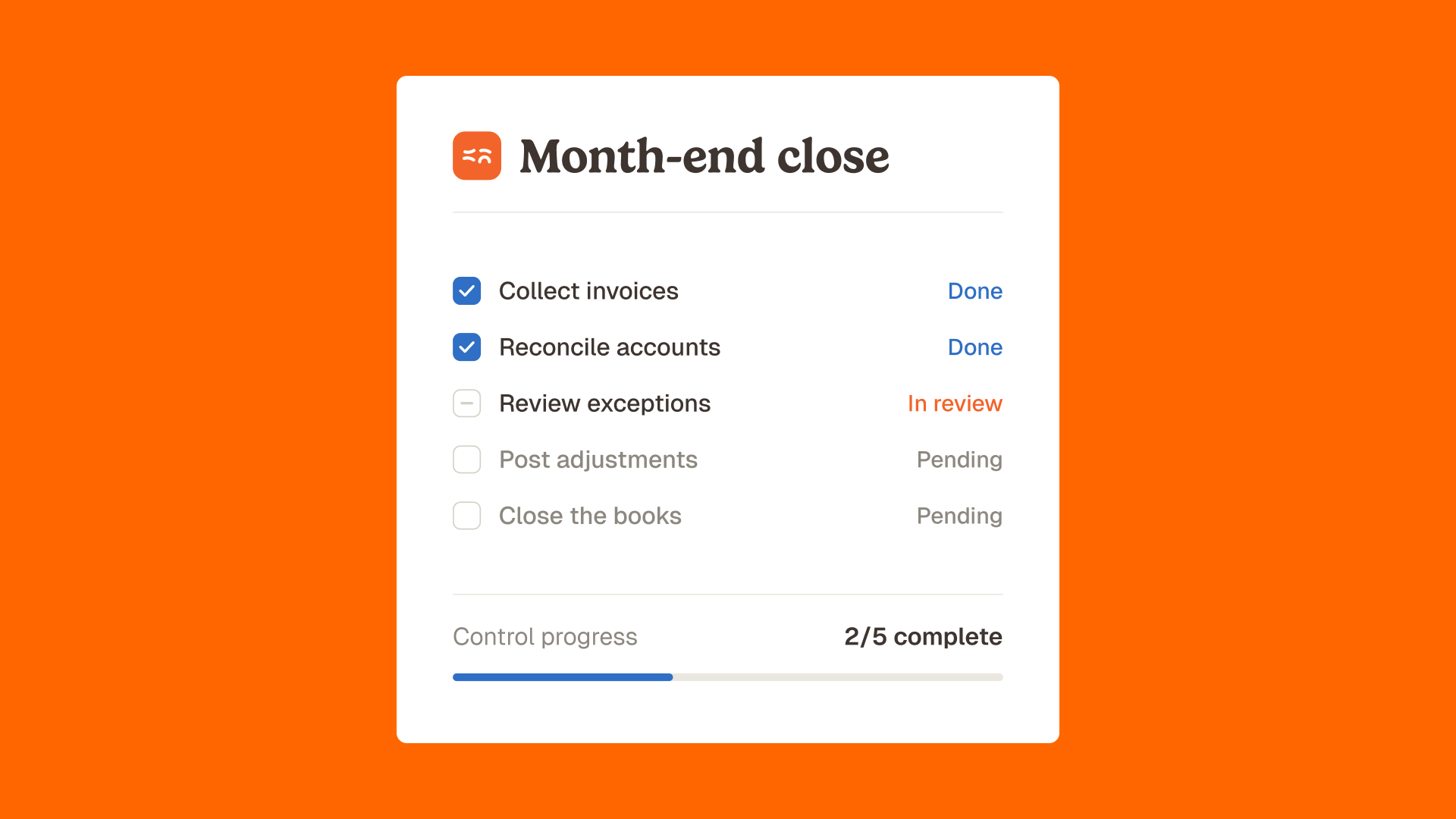
What resists these four steps is either an error you have not found or a control you do not have, and both belong in the pre-close validation review rather than in a late adjusting entry.
How long can an entry stay in a suspense account?
No accounting framework sets a number of days, which is why published sources contradict each other on this question. The absence of a clock is not the absence of an obligation.
The French standard offers the clearest formulation available: the procedure must remain exceptional, entries must reach their definitive account as quickly as possible, and the operations are reclassified into balance sheet accounts at period end. No deadline in days, but a hard wall at year end. A monthly clearing cycle aligned with the trial balance review keeps that wall manageable, because a line that is thirty days old can still be traced while a line that is three hundred days old usually cannot.
Three numbers to track every month
Treat the account as a metric rather than a chore and it becomes useful. Report three figures at each close:
- Closing balance. The headline number, useful for materiality but the least informative of the three.
- Number of open lines. Volume tells you whether the problem is one large item or a systemic matching failure.
- Age of the oldest open line. The one that matters. Ageing means the missing information is not coming back on its own, and the line will eventually be written off rather than resolved.
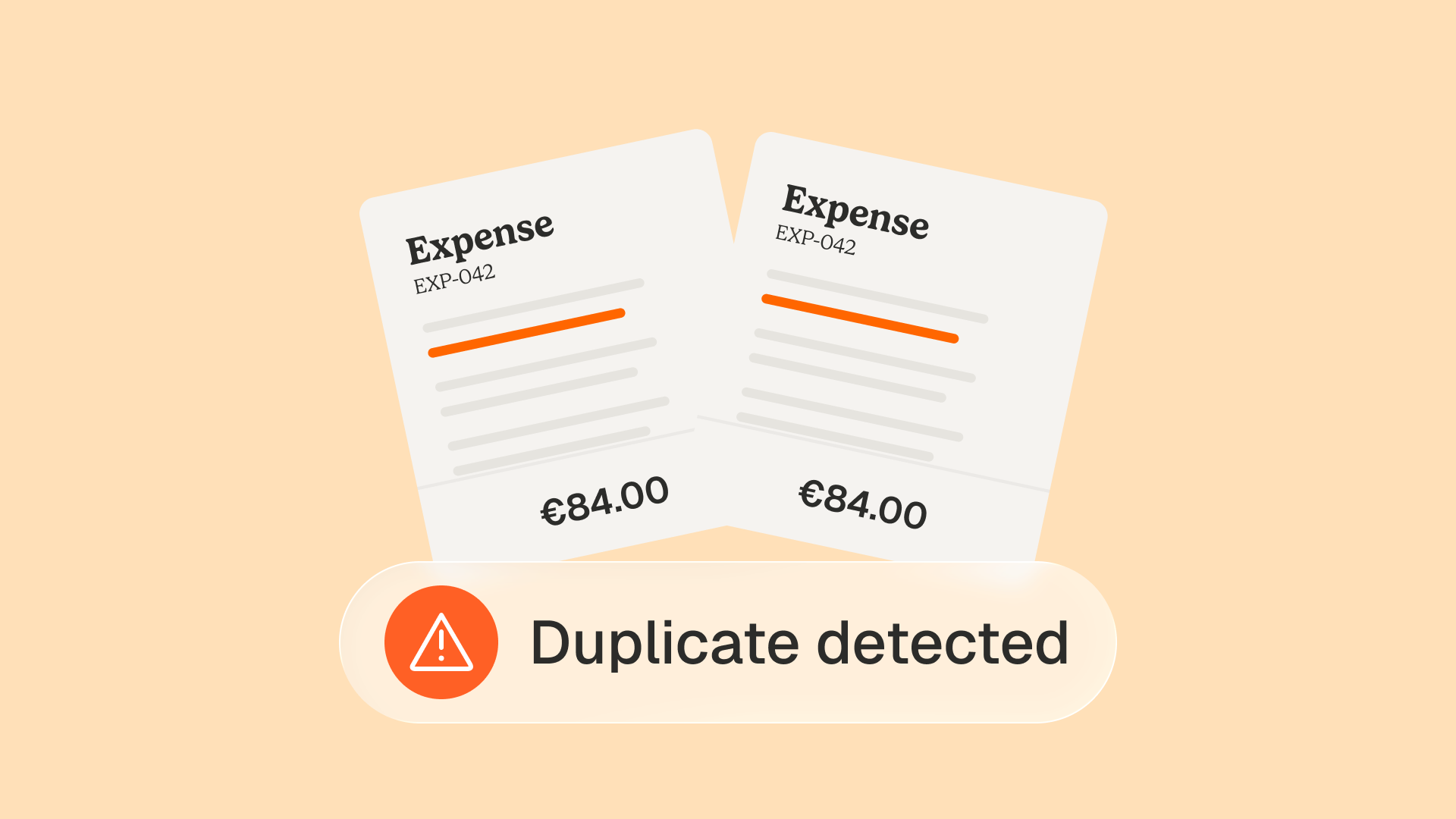
Reviewed monthly, this triplet also works as a fraud control. An account nobody reviews, holding amounts nobody has explained, is the natural resting place for a diverted payment or a duplicate. Ageing surfaces it without any specialised tooling.
Fix the cause, not the residue
Everything above still describes cleaning up after the fact. The structural fix sits upstream, in the matching layer, and this is where an agent changes the shape of the problem.
The Phacet agent Reconcile bank transactions and detect unmatched flows works on the cause rather than the residue. It matches incoming flows against invoices and ledger entries semantically instead of by exact reference, which catches the truncated labels and merged payments that rule-based matching drops. It exposes its reasoning line by line, so every match is reviewable. And it routes to a human only what it could not resolve. Fewer items reach suspense at all, and those that do arrive with the evidence already attached.
The same logic applies on the other three causes: supplier statement reconciliation for the payables side, intercompany matching before close, and cash application for unapplied receipts. At Smartbox, the European gift box leader operating in fourteen countries with 800 employees, reconciling payments against invoices reached four times the previous productivity after deployment.
"Phacet operates as an extension of our teams." Mourad Meraou, Operations Director, Smartbox
Structure the data, match the flows, then analyse what is left. A dashboard built on an unreconciled ledger reports the same uncertainty in a nicer font, and a suspense account is simply that uncertainty with a number attached.
Frequently asked questions
Is a suspense account the same as a clearing account?
No. A clearing account is opened on purpose for a known, recurring flow that passes through it by design, such as payroll or card settlements. A suspense account holds items whose destination is unknown. Recurring items sitting in suspense usually mean a clearing account should have been set up instead.
Does a suspense account have to be zero at year end?
The entries do have to leave it. Under the French standard the operations recorded in accounts 471 to 473 are reclassified into balance sheet accounts at the end of the period. Under US GAAP there is no equivalent numbered rule, but a material unexplained balance is a misstatement in the accounts and an audit finding waiting to happen.
Can a suspense account hide fraud?
It can conceal it, which is not the same as causing it. An account that nobody reviews, holding amounts nobody has explained, is the natural resting place for a diverted payment or a duplicate. Reviewing the ageing of open lines is a cheap and effective control.
Who should own the suspense account?
One named person, reviewed monthly. Shared ownership of a suspense account reliably produces no ownership at all. In most companies of 50 to 500 employees this sits with the financial controller or the head of accounting, not with whoever booked the entry.