
What accounts payable automation actually changes for a lean team
Published on :
June 22, 2026

Nicolas Marchais is co-founder and CEO of Phacet. After seven years at Spendesk, he built Phacet as the agentic layer that orchestrates across ERP, banking and email systems. Reliable, auditable, cross-system, what he calls a Finance Workforce.

At Astotel, a group of 18 Paris hotels, supplier price checks used to happen by sampling. A few invoices, once in a while, when someone had time. Then a Phacet AI agent started checking every invoice line against the negotiated rates and surfaced roughly 400€ of billing errors per month on a single supplier, close to 5,000€ a year. "I catch errors I would never have spotted on my own," says Valérie, the Directrice Achats.
That is the part of accounts payable automation that rarely makes the brochure. Most articles on the topic sell speed: fewer keystrokes, faster approvals, lower cost per invoice. All true, all useful. But for a finance function run by one or two people, the deeper change is not how fast invoices move. It is what finally gets verified before the money leaves.
In short: Accounts payable automation (AP automation) is technology that captures, verifies, approves, and pays supplier invoices with little or no manual data entry. For a lean team, its real value is the control layer: checking every invoice against agreed prices and purchase orders before payment, not just pushing it through faster.
What is accounts payable automation?
Accounts payable automation is the use of software and AI agents to handle the supplier invoice lifecycle, from receipt through verification, approval, payment, and reconciliation, with minimal manual intervention. It replaces paper, rekeying, and email approval chains with a single digital workflow connected to your accounting system or ERP.
The clearest way to understand AP automation is to split it into two layers that most tools blur together:
- The flow layer: capture the invoice, read the data, code it, route it for approval, schedule and execute payment. This is what nearly every vendor sells. It is now table stakes.
- The control layer: check each invoice line against the price you agreed, the purchase order you raised, and the goods you received, then flag anything off before payment. This is the part a lean team has never had the bandwidth to run by hand.
Speed without control has a quiet cost. Automating a flow that has no verification step means you pay the wrong amount faster, not less often. The control layer is where the money is actually protected. For the short canonical definition of the term, see the Phacet glossary entry on accounts payable automation.
How does accounts payable automation work?
A modern AP automation workflow runs the same supplier invoice through a sequence of automated steps. The difference between a fast tool and a safe one shows up in step three.
- Capture. Invoices arrive by email, PDF, scan, or supplier portal. AI reads header and line-level data without rigid templates, so a new vendor layout does not break the process.
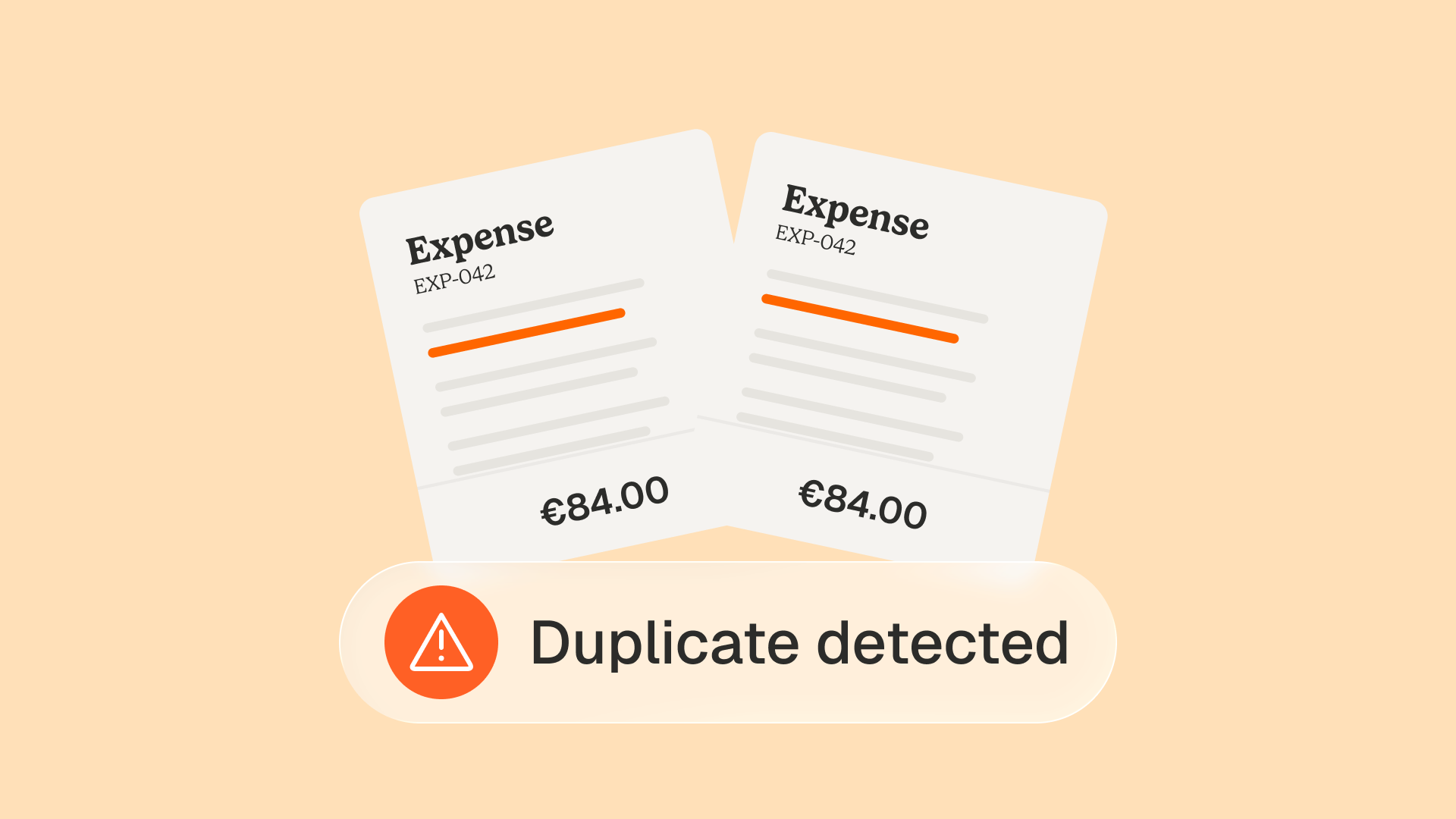
- Validate. The system checks the invoice against vendor records and flags duplicates or missing fields before anything moves forward.
- Control and match. Each line is compared to the agreed price list or contract, the purchase order, and the delivery note. This is three-way matching plus price compliance. Clean invoices pass. Anything off (a unit price drift, a quantity gap, a line that was never ordered) is held for review.
- Route for approval. Approvers receive only what needs a human decision, with full context, from any device.
- Pay. Approved invoices are scheduled and paid through your preferred method, with a complete record of who approved what and why.
- Reconcile and report. Payments post back to the ERP, reconcile against the bank, and feed dashboards on spend, exceptions, and cycle time.
Most write-ups treat step three as one task among six. On a lean team it is the whole point. For a deeper look at the mechanics, Phacet covers invoice control before payment and the 3-way matching use case in detail.
The step most AP automation skips: control before payment
Read the top-ranking definitions of AP automation and you will notice they all describe matching, but they bury it. The headline is always efficiency. The result is a market full of tools that move invoices quickly and verify them shallowly.
Here is the gap, stated plainly. Standard matching compares the invoice total and quantity to a purchase order. It rarely checks the unit price on each line against the price you negotiated. In goods and flow businesses (food and beverage, hospitality, retail, construction), that line-level drift is exactly where margin leaks: a supplier nudges a case price up, a temporary promo silently expires, a contracted rate is not applied. None of it trips a total-level check.
This is the Phacet white space, and it is built as concrete agents rather than a vague promise:
- The control your food supplier price list agent checks each line against your negotiated mercuriale.
- The control supplier billing and reduce overpayments agent flags overbilling before it is paid.
- The 3-way matching agent reconciles purchase order, delivery note, and invoice.
- The control invoices against contract terms agent verifies billing matches what was actually agreed.
Each agent exposes its reasoning at every step and writes to a native audit trail, so a finance lead can show any auditor exactly why a line passed or was held. That combination, reliable, controllable, auditable, is what separates a control layer from a black box. It also separates a specialist finance agent from a generalist AI assistant: tools like ChatGPT are remarkable, but they do not know your suppliers, your price lists, or your ERP, and they produce no audit trail. Phacet does, because it was built on more than 100 real finance deployments.
You can see the broader set in the accounts payable category library and the internal controls library.
What accounts payable automation actually changes for a lean team
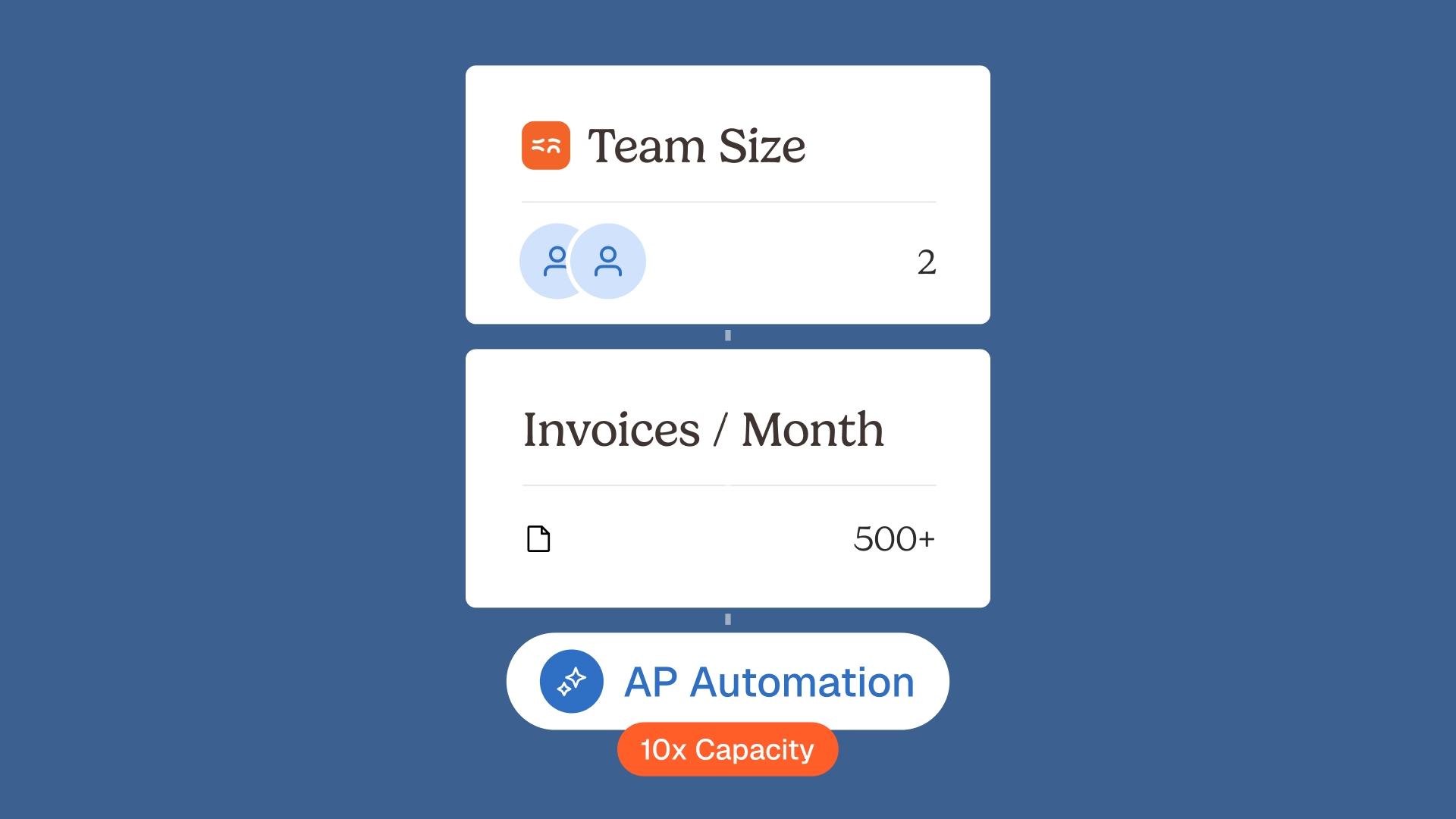
A "lean team" here means the reality at most mid-market companies of 50 to 500 employees: one DAF, RAF, or finance lead who is, single-handedly, the accounts payable department. They are both the bottleneck (every invoice waits on them) and the only safeguard (every control depends on their attention). Those two roles fight each other. Move faster and you check less. Check more and you fall behind.
Automation does not shrink that person's job by cutting headcount. It changes the nature of the work. The flow layer removes the keying and chasing. The control layer does the verification they never had time to run consistently. What is left for the human is judgment: reviewing flagged exceptions and deciding, instead of processing everything and hoping.
The change shows up on three levels:
- Operational: invoices stop landing on your desk for data entry. You review only what an agent flagged. At La Nouvelle Garde, a 10-brasserie group, agents removed about 70% of the time spent moving data between Gmail and Pennylane, which deferred new hires.
- Emotional: you stop guessing. When the CEO asks whether you are paying the right amounts, the answer is yes, with the trail to prove it.
- Strategic: control stops being a person who might burn out and becomes a repeatable, auditable system that scales as the company grows. Smartbox, an 800-person retailer across 14 countries, reached roughly 4x productivity on payment and invoice reconciliation this way.
This is why the right home for AP automation content is not just the AP clerk but the finance leadership, financial control, and accounting functions that a single person often covers at once.
The benefits of accounts payable automation, ranked by what a lean team feels first
Vendor lists of AP automation benefits run long and flat. For a lean team, they land in a clear order:
- Hours back, immediately. Capture and routing remove the manual work first. Astotel freed about 2 hours a day; La Nouvelle Garde recovered close to 2 days a week.
- Errors caught before payment. Line-level invoice price compliance and pre-payment controls stop overbilling instead of discovering it at year-end.
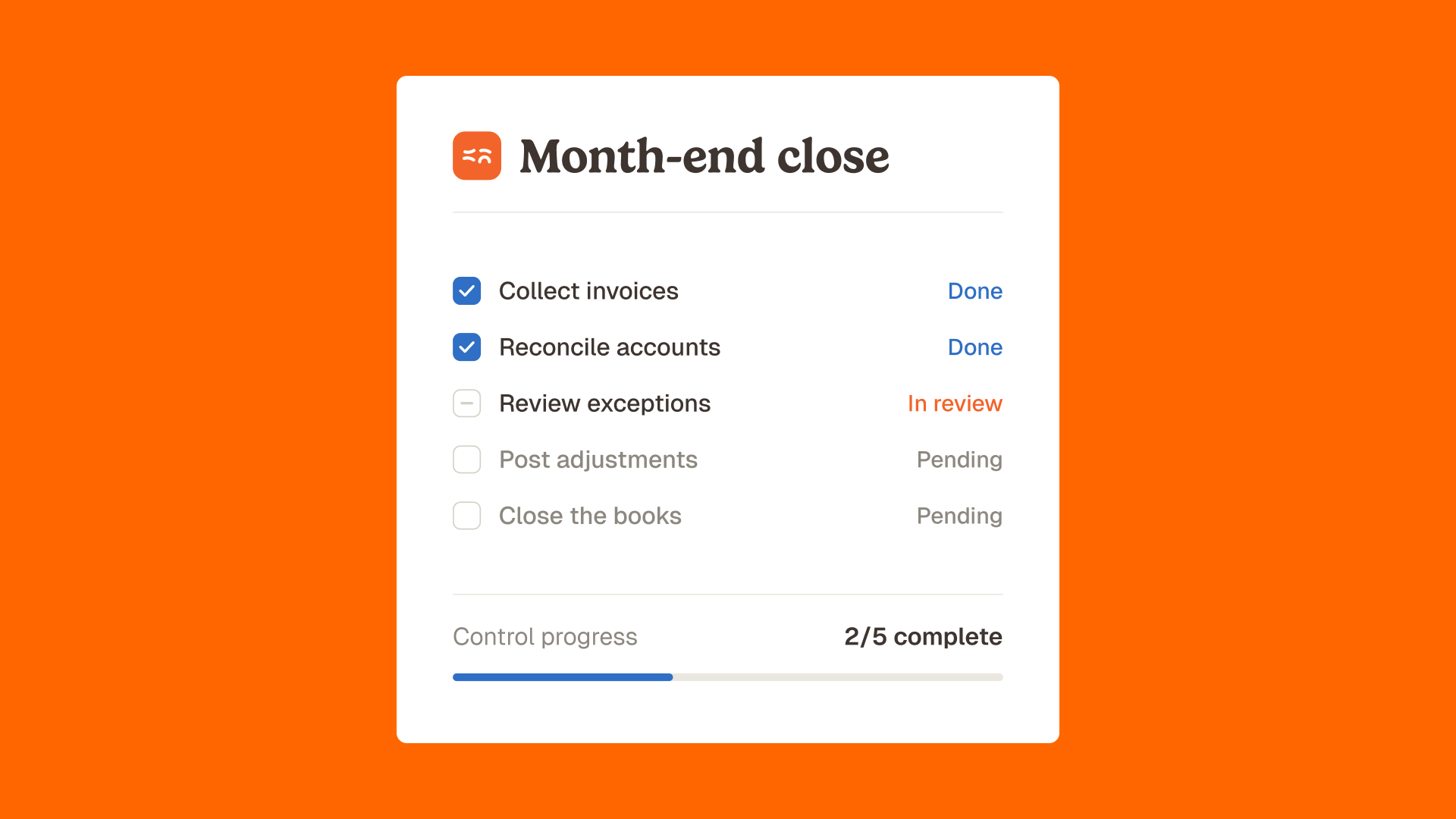
- A clean close. Month-end starts on verified data, so it shrinks instead of stretching.
- Audit readiness by default. Every decision is traced, so audits and expert-comptable reviews stop being a scramble.
- Scale without hiring. The same person absorbs growth, because control is now a system, not a bottleneck.
Industry benchmarks from Ardent Partners put best-in-class invoice processing at under three days, against a typical eight or more. The speed gain is real. The point for a lean team is that it does not have to come at the expense of control.
Does accounts payable automation replace your AP team?
No. Accounts payable automation does not replace finance people on a lean team, because there was never a surplus of them to replace. It removes the repetitive work and hands back the judgment work.
The model that holds in production is human in the loop: the agent proposes, the human decides. An agent reads, checks, and flags. A person reviews the exceptions and approves. The accounting inbox agent sorts and routes incoming invoices, but a human still signs off on what matters. The fear that AI quietly pays things on its own is exactly what a native audit trail and exposed reasoning are designed to remove.
Accounts payable automation vs your ERP: where the control layer lives
A common question is whether AP automation duplicates the ERP. It does not. An ERP (NetSuite, Sage, Cegid, Pennylane) is a system of record: it stores transactions and posts entries. It is not built to read a messy supplier PDF, check each line against a negotiated price list, and explain its reasoning before payment.
That is the division of labor Phacet is built around: your ERP records, Phacet controls. The platform sits across email, ERP, and bank, runs the control layer those systems lack, then writes clean, verified data back through its API. It orchestrates between your tools rather than replacing them, which is why a lean team can add it in under two weeks without an ERP migration. This pattern is most valuable in food and beverage, hospitality, and retail and distribution, where invoice volume is high and margins are thin.
If you want to go further, browse the full catalog of AI agents or book a demo to see the control layer run on your own invoices.
Frequently asked questions
What is accounts payable automation in simple terms?
It is software that handles supplier invoices for you, from reading the invoice to verifying it, getting it approved, and paying it, with little manual data entry. The most valuable part is the verification: checking each invoice against agreed prices and orders before any payment leaves.
What is the difference between AP automation and an ERP?
An ERP records transactions and stores financial data. AP automation does the work around the ERP: capturing invoices, running controls like price checks and three-way matching, routing approvals, then syncing clean data back. They are complementary, not competing.
Does accounts payable automation work for a small or lean finance team?
Yes, and arguably it matters most there. A one-person finance function is both the bottleneck and the only line of defense. Automation removes the manual processing and runs the controls that a single person cannot keep up by hand, with a first agent typically live in under two weeks.
Is AI replacing accounts payable?
No. On lean teams there is no surplus of AP staff to remove. AI agents take the repetitive capture, matching, and routing, while a human reviews exceptions and approves. The model is human in the loop: the agent proposes, the human decides.
What are the main benefits of accounts payable automation?
Time saved on manual entry, errors caught before payment through line-level price control, a faster month-end close on verified data, audit readiness by default, and the ability to scale invoice volume without hiring.
Latest Resources
Unlock your AI potential
Go further with your financial workflows — with AI built around your needs.


