


Accounting cut-off is the close procedure that assigns every expense and every revenue item to the period in which the transaction actually happened, regardless of when the invoice is issued or paid. Under accrual accounting, the trigger is delivery or performance, not billing.
The entries themselves are not hard. Every controller knows how to book a prepaid expense. What breaks at close is finding the transactions that need an entry, when there are hundreds of them and they live across several locations.
Key takeaways
- Accounting cut-off assigns expenses and revenue to the period of delivery or performance, not the period of invoicing, which is the core of accrual accounting.
- Cut-off rests on four families of entries: accrued liabilities, accrued revenue, prepaid expenses and deferred revenue, plus vendor and customer credits.
- Goods received not invoiced, or GRNI, is not a separate concept: it is the accrued liability that sits between the receiving dock and accounts payable.
- The hard part of cut-off is completeness, because an unbilled expense by definition never appears in the purchase journal.
- Every cut-off entry needs a reversing entry in the following period, and stale GRNI balances are the most common symptom of that step being skipped.
What accounting cut-off actually covers
Cut-off enforces a simple rule: a period should contain only what belongs to it. The event that triggers recognition is the receipt of goods or the performance of a service. The vendor invoice is evidence of that event, not the event itself, which is why an invoice dated January can carry a December expense.
Unlike France or Germany, the United States has no mandated chart of accounts, so there is no universal account number for a cut-off entry. What matters instead is the balance sheet line the entry lands on, and whether the auditor can trace it back to a source document.
A weak cut-off does not produce a harmless error that washes out the next year. It produces two wrong numbers. The current period is overstated if expenses are missing, and the next one absorbs a cost it never incurred. In between, management has run the business on a margin that never existed, and the company may have paid tax on profit it did not make.
The six cut-off entries and where they land on the balance sheet
Compare three online guides on accruals and you will get three different lists. Some count four entries, some seven, and many treat goods received not invoiced as a category of its own when it is simply an accrued liability whose counterparty is a vendor.
The underlying logic is regular. There are four families, plus two cases for credits. GRNI, GR/IR in SAP language, and received not vouchered in the AP world all describe the same balance under different labels.
| Entry | What it records | Debit | Credit | Effect on the period |
|---|---|---|---|---|
| Accrued liabilities, including GRNI | Goods received or services consumed, vendor invoice not received | Inventory or expense | GRNI or accrued liabilities | Expense added |
| Accrued revenue, or unbilled receivables | Goods delivered or work performed, invoice not yet issued | Unbilled receivables, a contract asset | Revenue | Revenue added |
| Prepaid expenses | Cost recorded in the period that covers all or part of the next one | Prepaid expenses | Expense | Expense removed |
| Deferred revenue | Amount billed in the period for delivery in the next one | Revenue | Deferred revenue, a contract liability | Revenue removed |
| Vendor credits receivable | Rebate or return earned in the period, credit memo not received | Vendor credits receivable | Cost of goods sold | Cost reduced |
| Customer credits payable | Rebate or return owed for the period, credit memo not issued | Revenue | Accrued customer credits | Revenue reduced |
If you want the mechanics entry by entry, the adjusting journal entries glossary page walks through each schema, and invoice accrual covers the most frequent case on the payables side.
The real problem is completeness, not the entry
The standard method is always the same: review the purchase and sales journals for the last two months of the period and the first two of the next, pull the supporting document, then compare the delivery date, the invoice date and the posting date.
That method has a structural flaw. A purchase journal records what has been invoiced. An accrued liability is, by definition, an expense that has not been invoiced. Looking for the completeness of your expenses inside the purchase journal means looking for an absence in a register that only records presences.
In a single-site company with forty invoices a month, review catches the gap, because the accountant knows the recurring vendors. In a twelve-location restaurant group or a thirty-store retailer, it does not. The December 28 delivery was received on site, the delivery note was signed by a kitchen manager, and the invoice will land on February 12. Nothing in the ledger flags its existence.
Here is the arithmetic. A twelve-location group receiving three hundred delivery notes a month gets around thirty in the last week of December. If ten of them, averaging 1,800 dollars, are only billed in February, 18,000 dollars of expense is missing from the period. The reported result is wrong by that amount, and no one catches it, because no accounting line signals the ten invoices that never arrived.
So the data that drives cut-off is not in the ERP. It is in delivery notes, purchase orders and contracts. That is exactly what three-way matching against purchase orders and receipts produces: receipts with no matching invoice, which is precisely your list of accrued liabilities for the period.
Inventory gives you a second route. In a goods business, a receipt without an invoice is also an inventory increase with no matching payable. Running an inventory reconciliation against receipts and invoices surfaces the same accruals from the other side, and often more reliably, because the stock system does record the physical arrival.
The same logic applies to revenue. Work performed in December and billed in February is accrued revenue. That information sits in the contract and the delivery or completion tracking, not in the sales journal.
Automate the matching, keep control of the entry
Automating cut-off does not mean letting software decide your numbers. It means separating two things that a manual close mixes together: building the list of transactions to adjust, which is matching work, and validating the accounting treatment, which stays a judgment call.
The automate revenue recognition and cut-off agent extracts data from contracts and invoices, calculates the amount to recognize per period against your recognition rules, whether at delivery, on completion, pro rata temporis or by milestone, then generates the accrual entries with detail by contract. Phacet measures 82% time savings on this task, from four to eight hours a month down to about one hour.
| Cut-off step | Manual method | With a Phacet agent |
|---|---|---|
| Identify transactions to adjust | Review of purchase and sales journals across four months | Matching of receipts, contracts and invoices. Documents with no invoice surface on their own |
| Value the amounts | Case by case calculation in a spreadsheet | Calculation per period against your rules: delivery, completion, pro rata temporis, milestones |
| Produce the entries | Manual posting to the general journal | Accrual, prepaid and deferred entries generated with detail by contract |
| Support the review | Reasoning reconstructed after the fact | Every entry traceable to the source contract and invoice |
| Time spent per close | 4 to 8 hours | About 1 hour, an 82% time saving |
What matters at review time is not the hours saved, it is traceability. Every generated entry stays linked to the contract and invoice that support it, which turns cut-off justification into a lookup rather than a memory exercise. It is the audit trail principle applied to adjusting entries.
Payroll and benefits accruals follow their own logic, and the balance sheet, HR and payroll accrual reconciliation agent handles the match between payroll registers and the general ledger.
Reversing entries and the stale GRNI balance
Cut-off entries are temporary. They correct the picture of the closing period, then they have to disappear. At the start of the next period each one is reversed, which clears the accrual account and leaves room for the real invoice when it arrives.
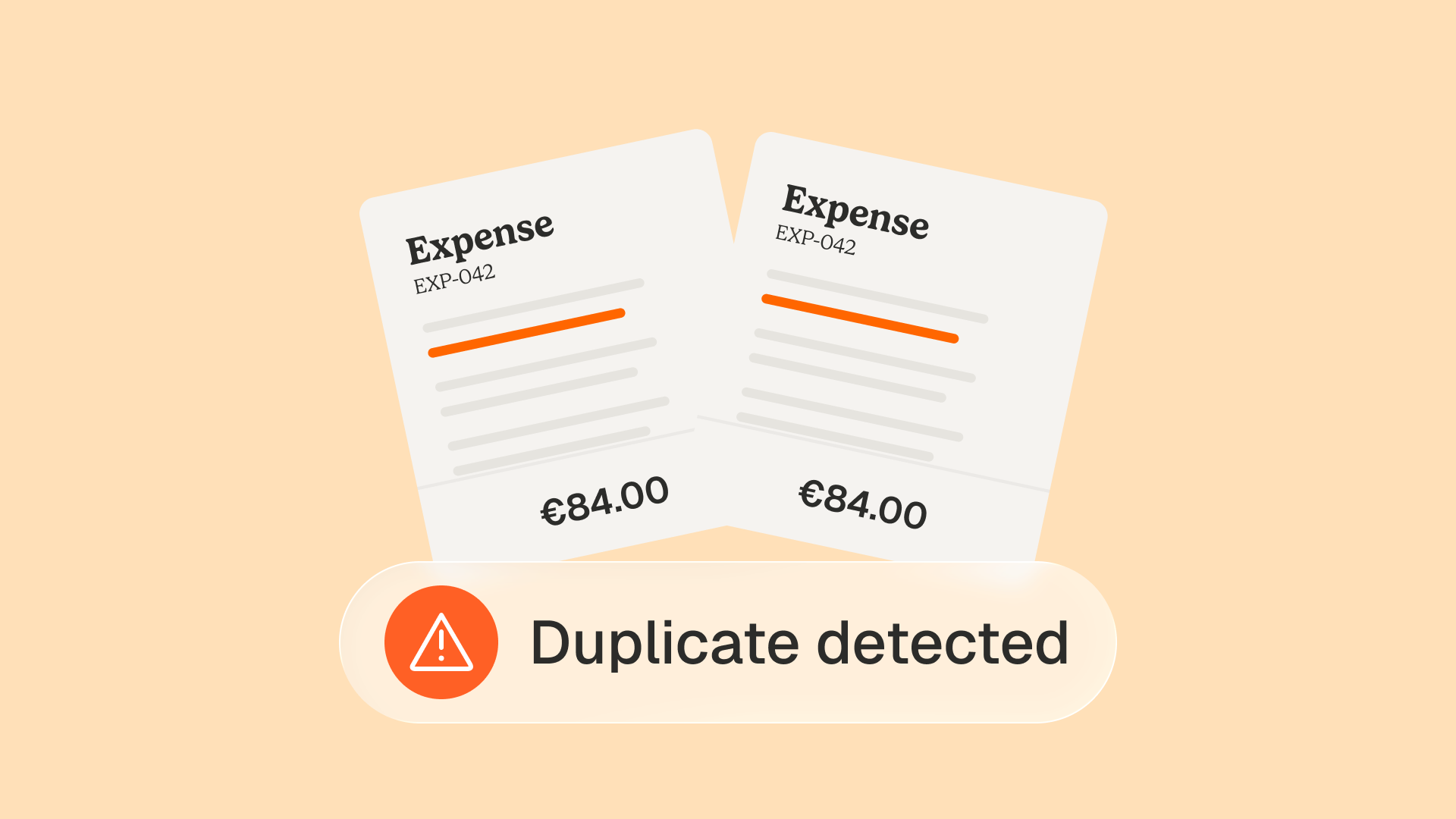
Skipping the reversal is the most expensive mistake in the sequence because it is silent. The expense lands twice, once through the unreversed accrual and once through the vendor invoice. The following period is understated and nothing signals it, except a GRNI balance that grows quarter after quarter.
That growing balance is the reason GRNI cleanup projects exist. A GRNI account carrying items older than ninety days is telling you one of three things: the invoice never came, the receipt quantity did not match the purchase order, or the accrual was never reversed. All three are worth investigating before anyone writes off the balance, because a write-off of a genuine liability and a write-off of a duplicate look identical on the income statement.
A simple control: by the end of the first quarter, accrued liabilities, accrued revenue, prepaid expenses and deferred revenue should carry no balance originating in the prior period.
How to secure cut-off without burning the close
Five habits move cut-off from end-of-close bottleneck to routine control.
- Start from receipts, not invoices. Your source list is delivery notes and completed work with no matching invoice, not the purchase journal.
- Set a threshold and write it down. Decide once what amount is too small to accrue, and document it so the audit does not have to rediscover the policy each year.
- Accrue quarterly rather than annually. Four two-hour exercises cost less than one two-day exercise in January, and they protect your interim reporting.
- Keep the document to entry link. Every accrual should point at the contract or receipt behind it at the moment of posting, not at review time.
- Schedule the reversal with the entry. The reversing entry is decided when the accrual is booked, never three months later.
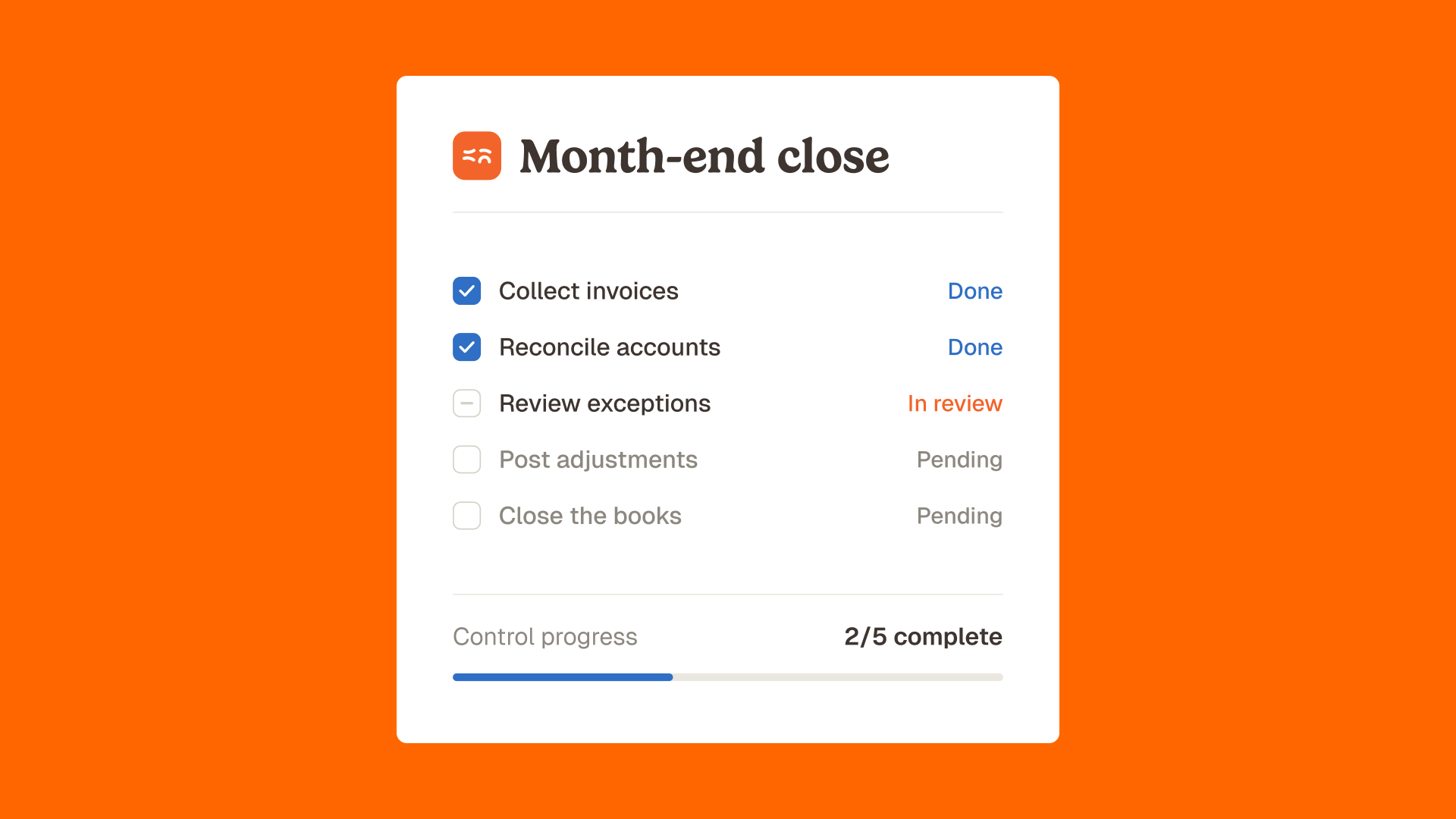
These habits belong to a broader shift toward pre-close validation, where controls move upstream instead of piling up in the last days. That shift is what makes it possible to move a close from day 15 to day 5 without cutting corners.
Frequently asked questions
What does goods received not invoiced mean?
Goods received not invoiced, or GRNI, means your company has taken physical delivery from a vendor but the supplier invoice has not been received or matched. The value sits on the balance sheet as an accrued liability until the invoice arrives and moves it to accounts payable.
How do you treat goods received not invoiced at period end?
Debit inventory or the expense account for the value received, and credit the GRNI or accrued liability account rather than accounts payable, since no payable document exists yet. The entry is reversed when the invoice is posted.
What is the difference between an accrued liability and a prepaid expense?
An accrued liability covers goods or services already consumed in the period with no invoice yet, so the expense is added to the period. A prepaid expense covers cash already recorded in the period that relates to the next one, so the expense is removed. Both correct the same timing gap in opposite directions.
When should a GRNI balance be written off?
Only after investigation. An aged GRNI line usually means a missing invoice, a receipt quantity that does not match the purchase order, or an accrual that was never reversed. Writing off without identifying which case applies risks removing a real liability from the balance sheet.
Do accruals have to be done monthly?
Not by rule, but companies producing monthly management accounts accrue at every close, which only stays workable with an automated process. Quarterly accruals are a reasonable middle ground for smaller finance teams.
Can software generate cut-off entries for me?
An agent can build the list of transactions to adjust, calculate the amounts against your recognition rules and generate the corresponding entries. Validation and final posting stay with the accountant, who reviews them with the contract-level detail attached.
The bottom line
Accounting cut-off is not a technical accounting problem, it is a data problem. The entries are known, documented and unsurprising. What is missing at close is the complete list of transactions to adjust, and that list is not in the ledger, because it is made of everything the ledger has not recorded yet.
Starting from documents rather than entries changes the nature of the work. The accountant stops searching and starts reviewing. The other close agents sit in the closing and audit hub, and closing data reliability covers the controls that come before the books are closed.