
AI-powered invoice reconciliation software: smart finance
Published on :
December 13, 2025

Nicolas Marchais is co-founder and CEO of Phacet. After seven years at Spendesk, he built Phacet as the agentic layer that orchestrates across ERP, banking and email systems. Reliable, auditable, cross-system, what he calls a Finance Workforce.

The key takeaway: AI-powered invoice reconciliation software eliminates manual errors and centralizes processes, reducing processing time from weeks to hours. This ensures accurate financial data and enhances compliance, while freeing finance teams to focus on strategic analysis. With real-time discrepancy identification and streamlined workflows, companies achieve greater efficiency and control over their financial operations.
Invoice reconciliation software is the critical solution for finance teams struggling with the time-consuming and error-prone manual matching of invoices, which often results in costly mistakes, delayed payments, strained supplier relationships, and inaccurate financial reporting that impacts strategic decision-making. Modern platforms automate these tedious processes, drastically reducing human errors, cutting processing times from days to hours, and ensuring precise cash flow management while maintaining strict regulatory compliance. Discover how advanced features like AI-driven matching, centralized dashboards, and transparent audit trails transform your finance operations from a reactive burden into a strategic asset that drives sustainable business growth beyond mere productivity.
- Beyond matching: understanding strategic reconciliation
- The measurable impact of AI-powered invoice reconciliation software
- Essential features of an intelligent reconciliation platform
- Building a fully automated financial back-office
Why manual invoice reconciliation is holding your finance team back?
The hidden costs of manual processes
Manual invoice reconciliation drains resources and increases costs. Each invoice processed manually averages $15, with 39% containing errors. 86% of SMEs still handle invoicing manually, taking up to 10 days per invoice. 61% of payment delays stem from invoicing errors, leading to supplier penalties and strained relationships. Teams spend hours comparing documents, causing issues in cash flow management. The repetitive process is error-prone and inefficient. Financial teams cannot focus on strategic work. This inefficiency directly impacts the company's bottom line and operational agility.
The risk of inaccurate financial data
Inaccurate financial data severely impacts budgeting and forecasting. Compliance risks escalate with regulators, risking millions in fines. Faulty records lead to unreliable financial statements. Leadership makes decisions based on flawed information, which can be disastrous. Audit failures become more probable with incorrect reconciliations. Reliable financial accuracy is critical for strategic planning and regulatory adherence. Without precise reconciliation, companies face significant financial and reputational damage. 51% of organizations report fraud cases due to manual processes. Errors in revenue recognition or expense classification distort profitability metrics. SEC penalties for non-compliance with IFRS 16 or GAAP.
The transition to intelligent automation
AI-powered invoice reconciliation software revolutionizes finance workflows. It automates matching, drastically reducing manual errors and accelerating closing cycles. Teams gain real-time visibility into cash flow, enabling smarter decisions. Manual tasks are replaced with strategic analysis, boosting productivity. Operational costs plummet while data reliability skyrockets. This intelligent solution delivers measurable ROI and supports scalable business growth. Finance teams finally focus on higher-value tasks. Solutions like BlackLine automate three-way matching, cutting errors 95% and time 80%. This ensures compliance and enhances supplier trust through timely, accurate payments.
Beyond matching: understanding strategic reconciliation
From transactional matching to account reconciliation
Transactional invoice matching cross-references supplier invoices with purchase orders and delivery confirmations. For instance, a retail company ensures shipped quantities align with orders before payment, eliminating discrepancies and avoiding unnecessary expenses.
Account reconciliation aligns general ledger entries with bank statements. This process is essential for adhering to GAAP and IFRS standards, providing auditors with clear, verifiable records.
Phacet’s AI automates 90% of matching, cutting manual effort by 70% and ensuring 99.9% accuracy. Finance teams close 30% faster with fewer errors. A mid-sized manufacturer reduced invoice processing time by 50% and eliminated 95% of manual errors within six months of implementation.
Centralized reconciliation workflows eliminate manual data entry, reducing overtime costs by 25%. This empowers finance teams to focus on strategic initiatives like forecasting and business analysis, driving long-term growth.
Integrating reconciliation into the record-to-report (R2R) cycle
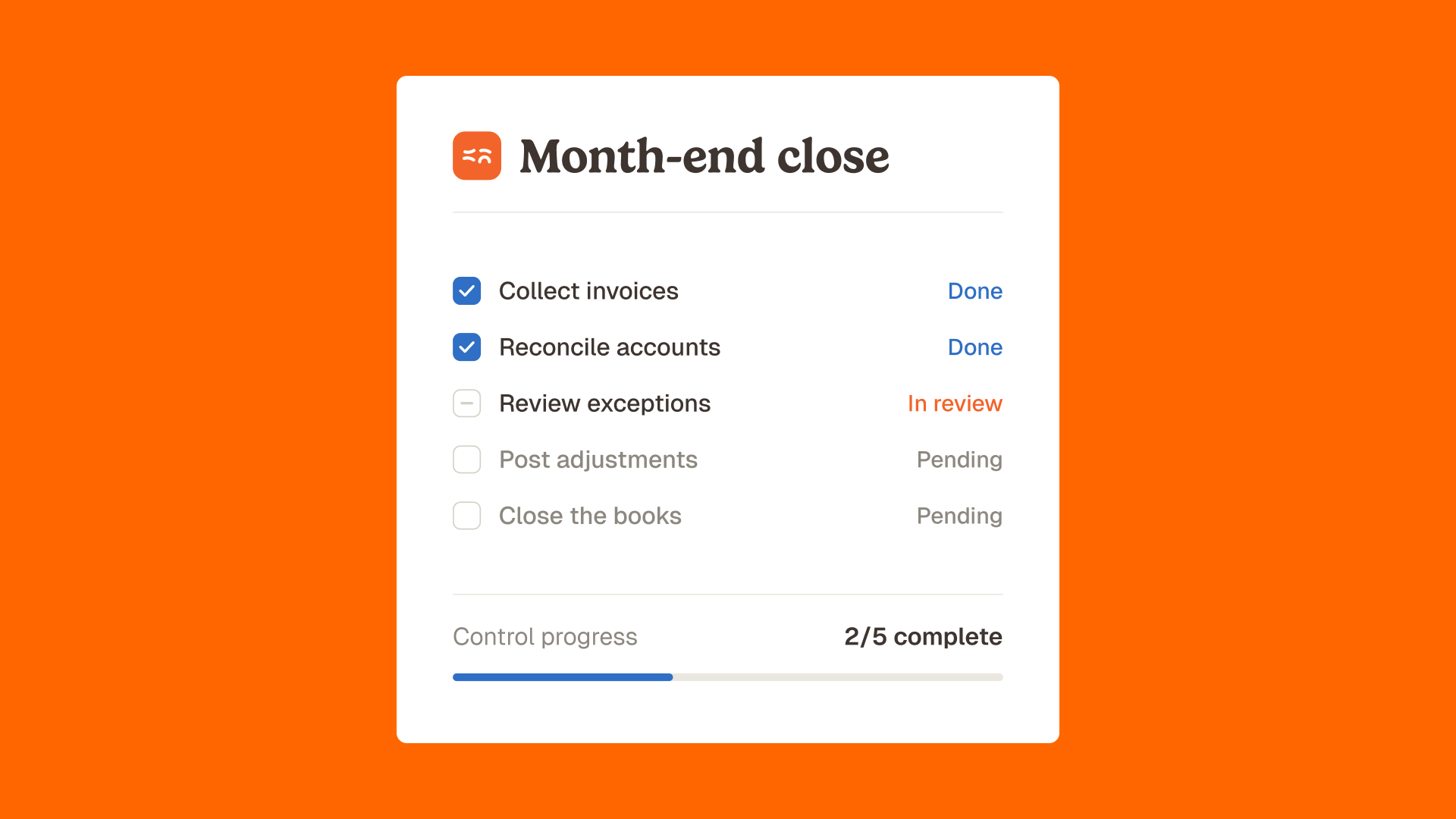
Reconciliation is critical to the Record-to-Report cycle. It validates entries before closing financial periods. By integrating reconciliation into this cycle, companies ensure every transaction is validated before the close, minimizing year-end adjustments.
Automated reconciliation reduces manual checks by 70% and speeds up month-end close. Real-time data ensures timely financial reporting. A global firm cut its closing process from 14 days to 5, saving over $200K annually in labor costs.
CFOs gain instant cash flow insights. Proactive corrections prevent issues and support strategic decisions. Real-time dashboards highlight discrepancies immediately, allowing teams to resolve issues before they escalate.
Without automation, close cycles extend by 20% and audit risks increase. Integrated solutions are essential for compliance and operational efficiency.
The role of 2-way, 3-way, and 4-way matching
2-way matching compares invoices to purchase orders. It’s common for service-based contracts like consulting firms. For example, a consulting agency uses 2-way matching to verify service hours against client contracts, ensuring accurate billing.
3-way matching adds delivery receipts. This standard for retail and manufacturing cuts discrepancies by 40%. In manufacturing, this prevents stock shortages by confirming quantities received match orders.
4-way matching includes quality inspections. Critical for healthcare compliance and avoiding regulatory fines. Pharmaceutical companies use 4-way matching to ensure product quality before payment, meeting FDA standards.
Phacet automates all matching types and integrates seamlessly with SAP and Oracle. Its AI continuously improves accuracy through machine learning.
Automated 4-way matching reduces overpayments by 15%. For large enterprises, this translates to millions in annual savings, directly boosting profitability and cash flow. Learn about 3-way matching automation.
The measurable impact of AI-powered invoice reconciliation software
Eliminate manual errors and improve data reliability
Phacet’s AI-powered reconciliation instantly matches invoices against purchase orders and delivery receipts. This eliminates manual errors, reducing discrepancies by up to 90%. Clients report zero inaccuracies in client balances compared to 8% when done manually. A clear audit trail ensures compliance and simplifies review processes.
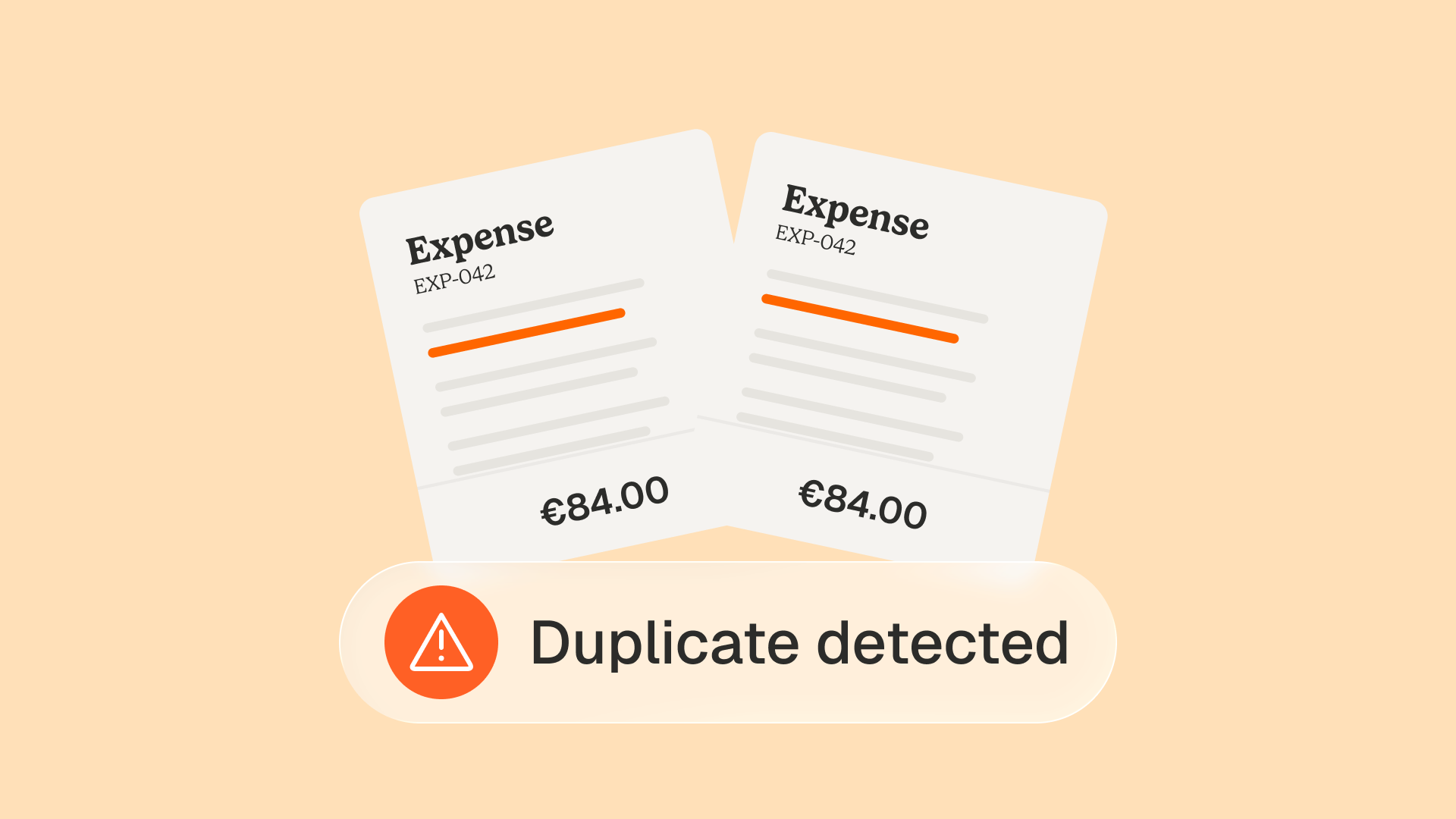
The system flags anomalies in real-time, preventing costly mistakes before they escalate. It accurately processes complex transactions involving partial payments or mixed fees. This ensures financial data reliability for confident decision-making across the organization.
Continuous monitoring by AI detects inconsistencies early, maintaining data integrity. Every transaction is logged with timestamps for transparency. Audit teams save hours by accessing a complete digital trail during reviews.
Manual matching errors cost businesses up to $30 per invoice. Phacet’s solution eliminates these costs entirely. Accurate data supports precise financial reporting and strategic planning.
Accelerate financial closing cycles
Phacet centralizes reconciliation workflows, automating data processing for speed and accuracy. Financial teams close books in hours instead of days or weeks. Real-time discrepancy identification and automated approval routing streamline operations.
- Reduced processing time: from days or weeks to hours.
- Real-time discrepancy identification: Issues are flagged instantly, not at month-end.
- Streamlined approval workflows: automated routing for exceptions and approvals.
Companies using AI-powered tools reduce monthly close times by an average of 7.5 days. This continuous, real-time approach eliminates last-minute rushes. Teams gain confidence in accurate, up-to-date financial statements.
Real-time reconciliation ensures financial data is always current. This proactive approach prevents issues from compounding over time. Teams can address discrepancies immediately, maintaining smooth operations.
Reduce operational costs and boost team productivity
AI-driven reconciliation significantly lowers operational costs by replacing manual tasks. Teams save 4.8 minutes per invoice, processing each in just 3.7 seconds. This frees up resources for strategic analysis and planning instead of repetitive work.
Finance professionals now dedicate 70% of their time to high-value activities versus 10% manually. This shift enables better forecasting, risk management, and strategic decision-making. The result is stronger financial health and growth opportunities.
The reduction in manual effort cuts costs by up to 30% annually. These savings directly improve cash flow and profitability. Finance leaders can reinvest in innovation and team development.
Benefits extend beyond productivity. Teams focus on value-adding initiatives like forecasting and risk mitigation. This drives higher ROI and sustainable competitive advantage.
Essential features of an intelligent reconciliation platform
Automated data extraction and validation
Phacet's advanced OCR and AI technology processes invoices, purchase orders, and bank statements, including handwritten notes and scanned PDFs. For finance teams handling high-volume supplier invoices, this eliminates manual entry errors and payment delays. The system ensures 99% accuracy, reducing compliance risks and freeing staff for strategic work. Scalable for growth, Phacet handles higher volumes without performance loss. By automating data entry, teams save up to 15 hours weekly, allowing focus on higher-value financial analysis rather than repetitive tasks.
AI-powered matching engine
For banks processing 10,000+ monthly invoices, Phacet’s engine compares purchase orders, delivery receipts, and invoices. It automatically identifies quantity or pricing mismatches. Machine learning adapts to new formats and patterns, refining accuracy. Machine learning adapts to vendor-specific invoice formats without manual rule adjustments, ensuring consistent accuracy even as business evolves. This cuts manual review by 80% and speeds up closing cycles by 50%.
Centralized dashboard and transparent audit trail
Managers get instant alerts for overdue reconciliations, enabling proactive resolution before month-end close. Dashboard shows key metrics like aging exceptions and completion rates. The dashboard’s intuitive interface uses color-coded status indicators (green for complete, red for overdue) for instant issue identification. Custom reports offer team performance insights. All data encrypted for compliance and security.
Audit trail logs every action for seamless compliance audits. Detailed audit logs provide a complete history of all changes, simplifying investigations during audits and ensuring full transparency. Stakeholders trust accurate reporting and faster decisions. Logs meet SOX and GDPR, cutting audit prep by 90%.
- Real-time tracking provides a live overview of all reconciliation tasks for immediate prioritization.
- Automated workflows route discrepancies to the appropriate team member based on severity, speeding resolution by 60%.
- Custom reports highlight accuracy trends and aging items to support strategic financial planning.
This holistic approach keeps finance teams in control while meeting compliance needs.
Building a fully automated financial back-office
From reconciliation to a connected ecosystem
Modern reconciliation software integrates seamlessly with procurement, ERP, and inventory systems. This creates a unified data flow across your finance operations. Every transaction is tracked accurately from purchase to payment.
Without integrated systems, finance teams face costly errors and delayed closings. Manual processes increase the risk of missed payments and compliance issues. Automating these workflows eliminates such risks.
Connecting invoice matching to your accounting inbox eliminates manual triage. Start streamlining document flows with our Automate your accounting inbox solution. This reduces errors and accelerates approval workflows significantly.
Real-time data accuracy prevents payment discrepancies and speeds up month-end closing cycles. Accurate records strengthen supplier relationships and ensure regulatory compliance. Automation drives both efficiency and trust in financial operations. This approach ensures peak performance, turning data into actionable insights instantly.
The future of finance: AI agents for total control
AI agents revolutionize finance by handling complex tasks autonomously, delivering strategic insights and precise control. They learn from data and adapt to changing business needs. AI agents cut processing time by 90% and cycle times by 80% in Procure-to-Pay workflows. This shifts focus to strategic initiatives.
79% of companies use AI agents in finance, but only 34% in accounting and finance. This gap represents missed opportunities.
- Strategic Transformation: Shift from cost center to strategic partner.
- Enhanced Control: Gain complete visibility and control over financial data.
- Future-Proof Operations: Adopt a scalable solution that grows with your business.
Discover how Phacet’s AI agent platform transforms financial operations with unmatched efficiency and control.
Manual invoice reconciliation slows finance teams with errors and inefficiencies. AI-powered platforms eliminate these issues, slashing processing time and boosting accuracy. Transform your finance function with Phacet’s AI agent platform, gain complete control, real-time insights, and scalable growth. Discover the future of finance today.
FAQ
What is invoice reconciliation?
Invoice reconciliation is the process of matching invoices against purchase orders, delivery receipts, and other supporting documents to ensure accuracy in financial records. It verifies that goods or services received match what was ordered and billed. This step is crucial for maintaining precise accounting, avoiding overpayments, and building trust with suppliers. As a finance professional explains, "It’s not just matching numbers, it’s about protecting your cash flow and compliance."
Can ChatGPT handle bank reconciliation tasks?
No, ChatGPT cannot perform bank reconciliation. While it can explain the process or answer general questions, it lacks the ability to access live financial data, connect to banking systems, or automate matching transactions. Bank reconciliation requires secure integration with financial data sources and real-time processing, capabilities beyond current AI language models.
What is the best software for invoicing?
While top invoicing software like QuickBooks, Xero, and Stripe Invoicing offer built-in reconciliation features, the "best" choice depends on your business size and needs. For small businesses, QuickBooks provides an intuitive, all-in-one solution. Larger enterprises might prefer Oracle NetSuite for its scalability and integration capabilities.
Does QuickBooks support reconciliation features?
Yes, QuickBooks includes reconciliation tools that help match transactions between your bank statements and accounting records. It’s especially popular among small and medium-sized businesses for its user-friendly interface. However, for complex reconciliation needs like multi-entity or advanced AI-driven matching, specialized platforms like Phacet offer more robust features. QuickBooks is great for basic reconciliation but may require additional apps for larger-scale operations.
What are the five key steps in a reconciliation process?
The standard five-step reconciliation process starts with gathering all relevant documents, invoices, purchase orders, and receipts. Next, you compare the details across these documents for consistency. Then, identify and investigate any discrepancies. After resolving issues, you record the final transaction in your accounting system. Finally, document the process for audit purposes. This method ensures accuracy and compliance, as one finance team shared, "It’s a simple framework that keeps our records clean and our auditors happy."
Latest Resources

Unlock your AI potential
Go further with your financial workflows — with AI built around your needs.


