
No-code finance automation drives agility and growth
Published on :
February 2, 2026


Nicolas Marchais is co-founder and CEO of Phacet. After seven years at Spendesk, he built Phacet as the agentic layer that orchestrates across ERP, banking and email systems. Reliable, auditable, cross-system, what he calls a Finance Workforce.

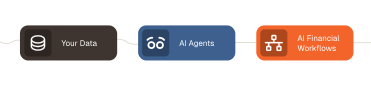
The essential takeaway: no-code financial automation lets finance teams build and manage workflows without coding, slashing time-to-value by 80%. Standardizing processes cuts errors by 70% and frees teams for strategic tasks. Platforms like Phacet add AI to automatically adapt workflows, ensuring compliance and scalability, showing code-free tools are transforming finance’s future.
Are manual financial workflows draining your team's time and accuracy? No-code finance automation is revolutionizing how finance teams handle repetitive tasks, from invoice approvals to payroll processing, by providing intuitive drag-and-drop platforms that eliminate coding barriers. These tools not only slash errors and accelerate productivity but also standardize processes, ensuring compliance and enabling global enterprises to navigate complex regulations with real-time data access. Solutions like Phacet’s AI-driven agents go further, allowing non-technical teams to create, deploy, and supervise automated workflows with full traceability, turning tedious tasks into strategic opportunities. Discover how this technology bridges the gap between financial expertise and innovation, delivering immediate impact beyond mere productivity gains.
- The rise of no-code finance automation: a strategic transformation
- The strategic benefits of no-code finance automation
- Key financial processes transformed by no-code automation
- Choosing the right no-code platform: workflow automation vs. application development
- Implementation of no-code financial automation: a pragmatic approach
- The future of finance: no-code as the bridge between expertise and innovation
The rise of no-code finance automation: a strategic transformation
Finance teams face growing pressure to cut IT dependencies while boosting efficiency. No-code finance automation enables non-technical users to design and manage workflows independently. Platforms like Phacet eliminate development bottlenecks, letting professionals prioritize strategy over technical hurdles.
What is no-code finance automation?
No-code tools use drag-and-drop interfaces to automate tasks like invoice validation or bank reconciliation. Teams build workflows via natural language prompts or visual triggers, turning manual processes into automated pipelines. This reduces delays from IT backlogs while ensuring compliance and traceability.
Beyond no-code: integrating Artificial Intelligence
AI-powered platforms like Phacet learn from inputs, detect anomalies, and adapt workflows. Its no-code interface lets teams create AI agents for invoice extraction or contract validation, with full audit trails. By combining intuitive design with machine learning, Phacet cuts error rates from 7% to 2% in high-volume tasks. Phacet’s platform bridges finance expertise and automation, enabling real-time decisions without technical barriers.
Businesses gain faster deployment, agents go live in five days, and scalability. Automation democratization reduces costs, ensures compliance, and maintains human oversight for critical decisions.
The strategic benefits of no-code finance automation
Accelerating time-to-value and reducing errors
Phacet’s no-code platform reduces deployment cycles from months to weeks, automating workflows like invoice validation through intuitive interfaces. By standardizing processes, one client achieved a 70% reduction in manual data entry errors, redirecting analysts toward strategic tasks while cutting operational costs and improving decision-making precision. This efficiency gain directly supports finance teams in reallocating resources to high-impact areas like scenario planning and predictive analytics.
Scalability and democratization of automation
Phacet enables global scaling of finance workflows. Using natural language commands, a multinational automated its Procure-to-Pay process across 12 countries in six weeks, achieving 30% faster month-end closures. Non-technical teams adapt workflows independently, eliminating IT bottlenecks while ensuring compliance with international regulations. This self-service model democratizes automation, letting finance professionals own their workflows without technical gatekeepers.
Enhanced risk assessment and compliance
Real-time data access in Phacet’s platform improves risk modeling. Its anomaly detection flags irregular transactions, such as sudden cash flow shifts, while maintaining audit trails. A fintech firm reduced compliance review time by 40%, adhering to local tax laws and global standards like IFRS. Human oversight ensures AI supports, rather than replaces, expert judgment, balancing automation with accountability.
Phacet bridges finance expertise with AI-driven agility, transforming teams into proactive decision-makers. By prioritizing usability, it delivers scalable automation aligned with strategic goals, without compromising control or regulatory adherence. The platform’s blend of speed, precision, and compliance makes it a critical tool for modern finance leaders navigating complex operational landscapes.
Key financial processes transformed by no-code automation
Transactional workflow automation
No-code platforms eliminate manual tasks in repetitive financial workflows, letting non-technical teams build systems via intuitive interfaces. Phacet’s AI-powered tools allow users to create, deploy, and supervise finance workflows with natural language triggers, ensuring traceability.
- Invoice management: automate validation from receipt to approval, cutting processing time and errors by 80% (e.g., a retailer cut invoice backlog by 90% through rule-based validation).
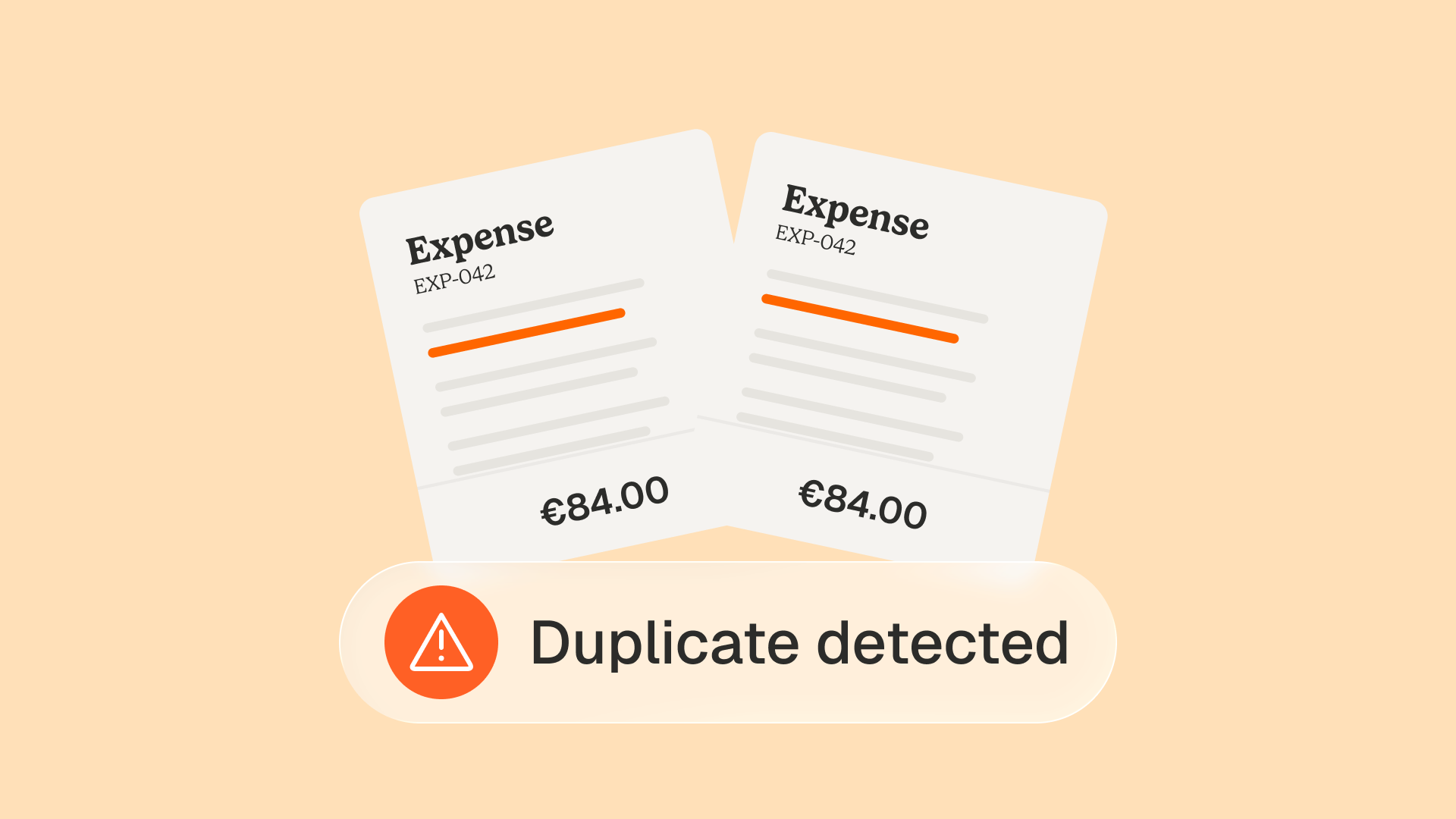
- Accounts Payable/Receivable: streamline payments and collections, preventing duplicates and improving cash flow predictability by 35%.
- Bank reconciliation: match bank statements with internal records in minutes, accelerating monthly close by 60%. Tools flag discrepancies for review, ensuring accuracy.
- Expense management: enable self-service submissions with compliance checks, reducing costs by 40%. Mobile access with AI policy checks improves efficiency.
- Payroll processing: automate data aggregation and tax-compliant payments across jurisdictions.
- Procurement workflows: digitize purchase orders and contracts to prevent off-budget spending, with audit trails for compliance.
- Transaction labeling: assign costs to projects for real-time margin tracking. ML identifies patterns in unstructured data to improve analysis.
FP&A strategic optimization
No-code systems shift finance teams from transactional tasks to strategic analysis. Phacet’s AI agent platforms reduce budgeting cycles from weeks to days. A manufacturer improved forecast accuracy by 25%, avoiding $500K in inventory overstock via AI modeling.
- Budgeting: create dynamic budgets updated with real-time data, adjusting for seasonal trends or supply chain shifts.
- Reporting: generate standardized reports in seconds with automated pipelines and natural-language explanations for executives.
- Cost tracking: monitor spending via live dashboards with variance alerts for proactive control.
By eliminating spreadsheets, these platforms cut manual effort by 60%, enabling scalable scenario analysis. Early adopters report 25% more accurate forecasts and annual savings exceeding $300,000, while ensuring human oversight for critical decisions.
Choosing the right no-code platform: workflow automation vs. application development
Workflow automation platforms
No-code workflow tools connect financial systems to automate repetitive tasks like invoice validation, expense management, and bank reconciliation. Their drag-and-drop interfaces let finance teams standardize processes without IT reliance. Pre-built templates ensure compliance while accelerating deployment for tasks like three-way invoice matching to prevent overpayments.
These platforms reduce manual work and enhance traceability. They excel at orchestrating workflows across disparate systems, such as synchronizing purchase orders with receipts, while maintaining audit trails for regulatory requirements.
No-code application development platforms
Application platforms let teams build custom financial tools from scratch, combining interface design with business logic and database management. A treasury team could create a cash flow forecasting portal integrating banking APIs and ERP data for compliance checks and multi-stage approvals.
They address complex needs beyond workflow orchestration. For example, a finance shared service center might develop a unified tool for vendor onboarding, contract management, and payment scheduling. This ensures data integrity and end-to-end visibility through tailored applications designed for specific financial operations.
Implementation of no-code financial automation: a pragmatic approach
Finance teams use no-code automation to streamline invoice validation, reconciliation, and reporting. Platforms like Phacet let non-technical users deploy AI workflows via intuitive interfaces, reducing IT reliance and boosting efficiency while cutting errors and ensuring compliance.
Key steps for successful adoption
- Identify repetitive tasks: target high-volume processes like invoice matching. Phacet automates data extraction, flagging anomalies.
- Select the right platform: choose finance-specific tools like Phacet’s no-code interface for AI workflows.
- Design and test workflows: use drag-and-drop to map processes, starting with low-risk tasks.
- Deploy gradually: roll out in phases to avoid operational disruptions.
- Train teams: enable staff to manage workflows independently.
The central role of human oversight
No-code automation combines human-AI collaboration. Phacet logs decisions for auditability. For example, manual checkpoints for high-value payments ensure risk control. This hybrid model maintains compliance and trust while enhancing productivity.
The future of finance: no-code as the bridge between expertise and innovation
The power of autonomy for finance teams
No-code finance automation streamlines tasks like invoice validation and bank reconciliation. Finance teams configure workflows via intuitive interfaces using natural language or drag-and-drop tools, reducing manual work and IT reliance. This enables strategic analysis while ensuring compliance and consistency, aligning operations with real-time business demands.
Phacet: partner in financial innovation
Phacet’s no-code AI lets finance teams build and manage AI agents without coding. Its interface ensures traceability and human oversight, maintaining compliance in tasks like data validation. Unlike generic tools, Phacet specializes in financial workflows, integrating with ERP systems to process invoices or contracts. By merging no-code simplicity with AI, Phacet bridges finance expertise and automation. Explore Phacet’s platform to transform manual tasks into intelligent, scalable solutions.
FAQ
What is a no-code automation?
No-code automation refers to visual platforms that enable users to create workflows and automate processes through drag-and-drop interfaces without writing code. In finance, these tools empower teams to digitize repetitive tasks like invoice approvals, payroll processing, or expense tracking. By eliminating reliance on IT teams, organizations achieve faster implementation, reduced errors, and greater agility.
Can finance be automated by AI?
Absolutely. AI enhances no-code platforms by enabling intelligent automation. For example, Phacet’s AI agents learn from user inputs, detect anomalies in transactions, and adapt workflows dynamically. This goes beyond simple task automation, AI identifies patterns, flags irregularities in real-time, and optimizes processes like bank reconciliation or fraud detection. As one user explained, "AI-powered no-code tools don’t just reduce manual work, they turn data into actionable insights."
How to automate without coding?
Automation without coding involves three steps: identify repetitive tasks (e.g., invoice processing), select a no-code platform with drag-and-drop capabilities, and configure workflows using pre-built templates. Platforms like Phacet or Airtable allow teams to connect systems, set triggers, and automate actions, like sending payment reminders or updating financial reports, without technical expertise. This approach delivers immediate impact, with minimal setup time.
Will AI replace no-code?
No, AI and no-code are complementary. While AI enhances automation through predictive analytics and self-learning workflows, no-code provides the human-centric interface for designing and managing these systems. Phacet’s approach, for instance, embeds AI agents within a no-code framework, ensuring teams retain control: "AI handles complexity, but humans stay in the loop," as one CFO observed.
Latest Resources

Unlock your AI potential
Go further with your financial workflows — with AI built around your needs.


