
Intelligent document processing for audit-ready financials
Published on :
December 16, 2025

Nicolas Marchais is co-founder and CEO of Phacet. After seven years at Spendesk, he built Phacet as the agentic layer that orchestrates across ERP, banking and email systems. Reliable, auditable, cross-system, what he calls a Finance Workforce.

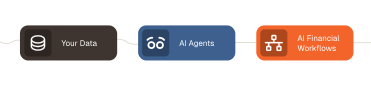
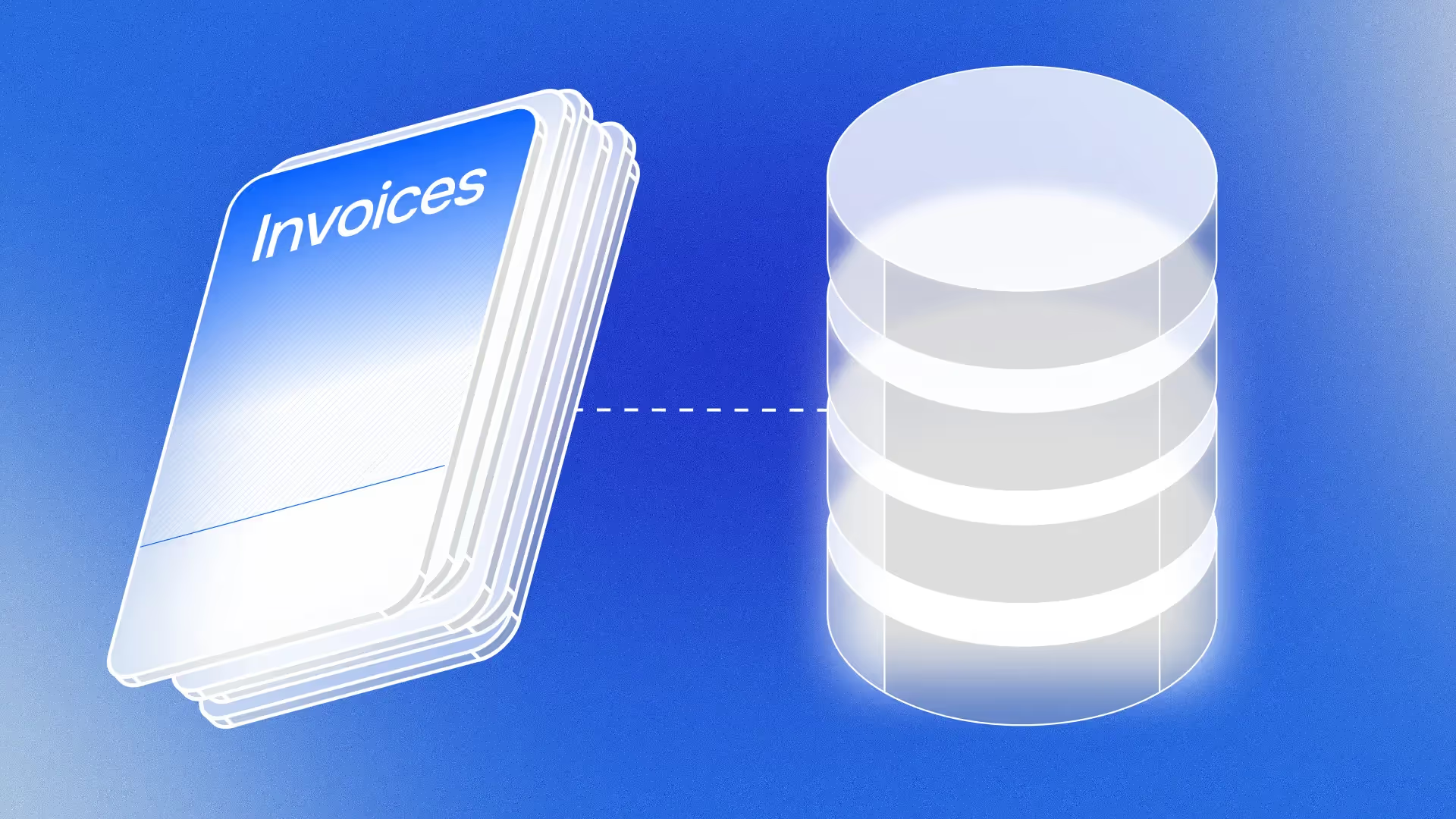
Key takeaway: Intelligent Document Processing (IDP) leverages AI to automate finance document workflows, transforming unstructured data into reliable insights. It cuts costs from $6-8 to under $1 per document, minimizes human errors, and frees teams to focus on strategic analysis, delivering efficiency beyond mere productivity through automated accuracy and scalability.
Finance departments worldwide struggle with the inefficiencies of manual document handling, where hours spent on data entry result in costly errors, delayed payments, and frustrated teams unable to focus on strategic work. Intelligent document processing (IDP) transforms this reality by using AI to automatically read, understand, and structure information from any document, turning chaotic paperwork into accurate, actionable data with minimal human intervention. This powerful solution not only slashes operational costs and minimizes mistakes but also empowers finance teams to shift their focus from repetitive tasks to high-value strategic initiatives that drive business growth and innovation, ensuring long-term competitiveness and success.
- What is intelligent document processing for finance?
- How intelligent document processing actually works
- The business impact of IDP on finance operations
- IDP in action: use cases for modern finance teams
- How to choose the right intelligent document processing solution
- Embracing the future of automated financial operations
What is intelligent document processing for finance?
The hidden cost of manual document handling
Manual document handling leads to up to 5% error rates, causing compliance breaches and audit failures. Processing each invoice manually costs $6–8. These errors disrupt financial accuracy and increase operational risks. Finance teams struggle to maintain reliable records, risking regulatory penalties.
Finance teams waste hours searching for misplaced files and correcting mistakes. This delays critical decisions and strains resources. Hidden costs quickly surpass the investment in automation. The true cost of manual processes is far greater than it appears.
Defining intelligent document processing (IDP)
IDP combines AI, NLP, and OCR to extract and structure financial data from any document. It goes beyond simple scanning, understanding context and relationships within data. This transforms raw documents into actionable insights for strategic decisions.
Unlike traditional OCR, IDP classifies documents and validates information automatically. It integrates seamlessly with accounting systems for audit-ready records. Finance teams gain immediate accuracy and efficiency, reducing reliance on manual checks.
From unstructured data to structured insights
IDP processes invoices, receipts, and contracts of all formats. It extracts key details like amounts, dates, and vendor names accurately. This centralizes data for real-time analysis and reporting. Finance teams no longer struggle with inconsistent data sources.
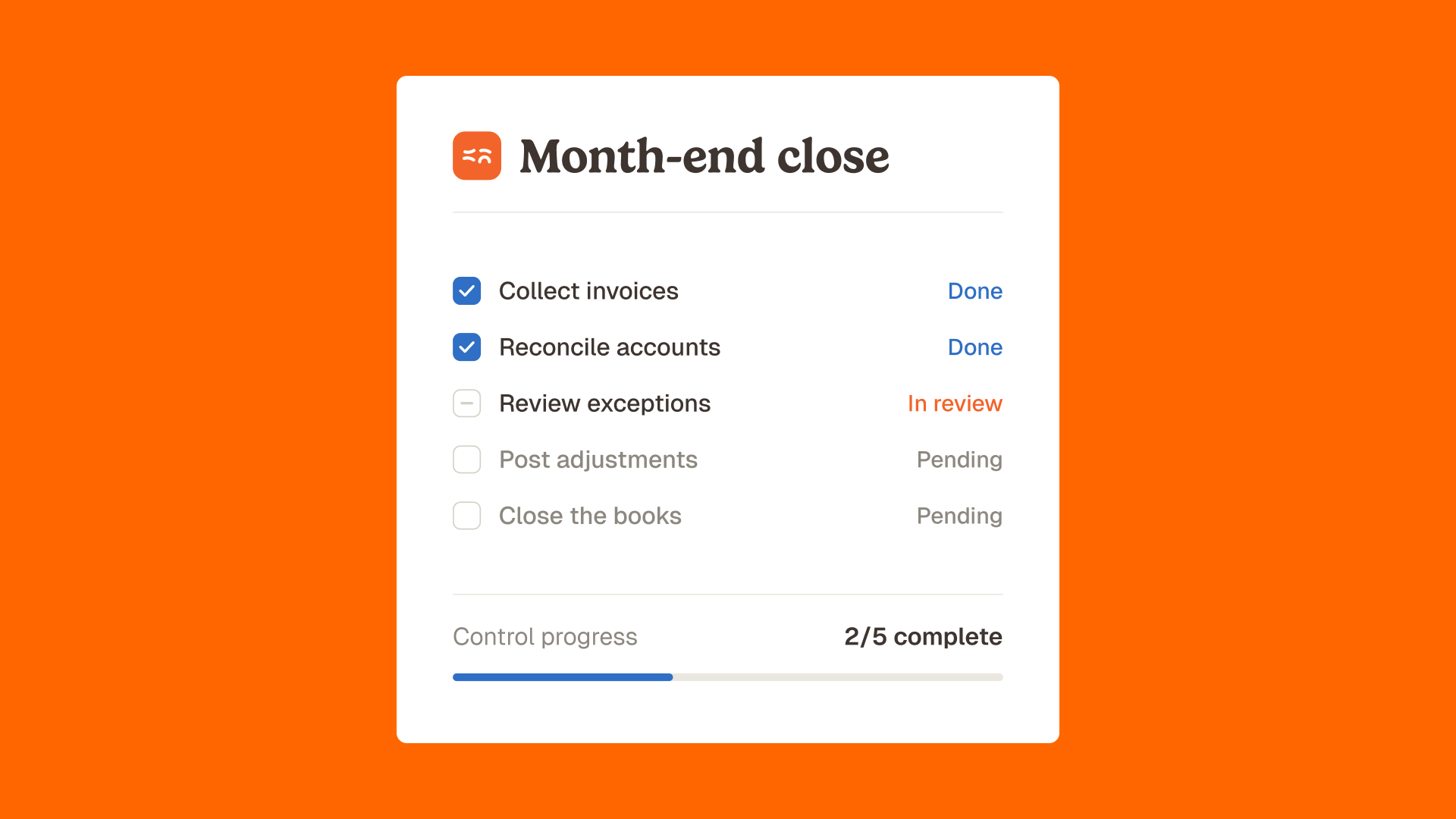
Finance teams eliminate manual entry errors and accelerate cash flow. Accounts payable processes now complete in hours, not days. Reliable data drives smarter financial decisions. This speeds up month-end closing and improves forecasting.
Accounts payable automation reduces processing time by 90%, while AR speeds up collections. This boosts liquidity and supports strategic financial planning. Companies gain better control over cash flow and reduce DSO significantly.
Royal Bank of Scotland saved 100,000–200,000 hours annually with IDP for KYC. This ensures error-free workflows and minimal human intervention.
How intelligent document processing actually works
Intelligent Document Processing (IDP) transforms finance operations by automating data handling. It centralizes and streamlines invoice and receipt management. Manual processing costs $6-$8 per document; IDP reduces this significantly. CFOs gain real-time financial visibility and error-free workflows.
The core stages of automated document workflows
- Pre-processing and classification: documents are scanned and cleaned for quality. AI automatically categorizes them as invoices, contracts, or receipts. This ensures accurate sorting before data extraction begins.
- Data extraction: AI identifies key details like amounts, dates, and vendor names. Complex formats are handled with precision. This step eliminates manual data entry errors completely.
- Validation and enrichment: data is cross-checked against existing records. Human-in-the-loop refinement ensures reliability. Errors are caught before impacting financial statements.
- Integration: structured data flows directly into accounting systems. This eliminates manual data entry. Teams save hours daily.
Each stage builds on the previous one for seamless workflow. Teams focus on strategic tasks, speeding up month-end closing and reducing errors.
The technology behind the accuracy: OCR, NLP, and ML
OCR converts scanned images into text. NLP interprets context and meaning, while ML learns from past data. Together, they ensure precise extraction even with varied document formats. This synergy is critical for accuracy in finance operations.
Traditional OCR alone struggles with unstructured data. IDP’s AI combines these technologies to understand context like "Q3 revenue" across layouts, preventing costly accounting errors.
Why modern IDP surpasses traditional automation?
Traditional automation like RPA handles simple rules but fails with unstructured documents. IDP understands content, not just processing data, preventing costly finance errors.
IDP validates invoice amounts against purchase orders automatically, preventing payment errors and ensuring audit-ready records. Teams cut manual checks and accelerate month-end closing.
Integrated with ERP systems, IDP creates a single source of truth, eliminating data silos and ensuring compliance. CFOs trust this for accurate reporting and audit readiness.
The business impact of IDP on finance operations
Achieving superior data accuracy and reliability
IDP’s AI-driven OCR and validation eliminate manual errors, ensuring audit-ready data. This precision prevents costly discrepancies and regulatory penalties, while supporting strategic financial planning. Human-in-the-loop refinement maintains accuracy for GAAP/IFRS compliance and seamless workflow integration across global operations.
Driving down costs and improving efficiency
- Increased precision: minimizing human errors for reliable financial reporting.
- Significant cost reduction: lowering the cost per document processed compared to manual methods.
- Enhanced employee productivity: freeing up finance teams from repetitive tasks to focus on high-value strategic work.
Manual processing costs $6-$8 per document; IDP slashes costs by 40%+. Healthcare providers reduced invoice handling from 20 minutes to 90 seconds, processing 2,500 daily vs. 80 manually. A US bank cut processing by 85% and saved $2 million annually in labor costs. Cushman & Wakefield saved 16,000 hours, reducing processing time by 70%. Manufacturing firms process 140,000 annual invoices with 25% higher efficiency, reducing errors, accelerating payment cycles, and improving supplier relationships. IDP’s audit trails streamline compliance checks, speeding up month-end close by 30%.
Empowering your team to focus on strategic work
By automating routine tasks, IDP allows finance staff to focus on strategic analysis. Teams now prioritize forecasting, risk management, and developing personalized financial solutions. This shift drives revenue growth and customer retention while ensuring regulatory compliance. Enhanced data accuracy supports proactive compliance strategies and cash flow optimization, positioning companies for long-term success, financial stability, and stakeholder trust in evolving regulatory environments.
IDP in action: use cases for modern finance teams
Automating accounts payable with invoice and receipt processing
Manual invoice processing wastes valuable time and introduces costly errors. Our AI-driven extraction eliminates these risks completely.
Finance teams achieve 99% data accuracy while reducing costs by 30-50%. Repetitive tasks are eliminated, freeing staff for strategic work. Every transaction is instantly audit-ready and fully compliant with regulations.
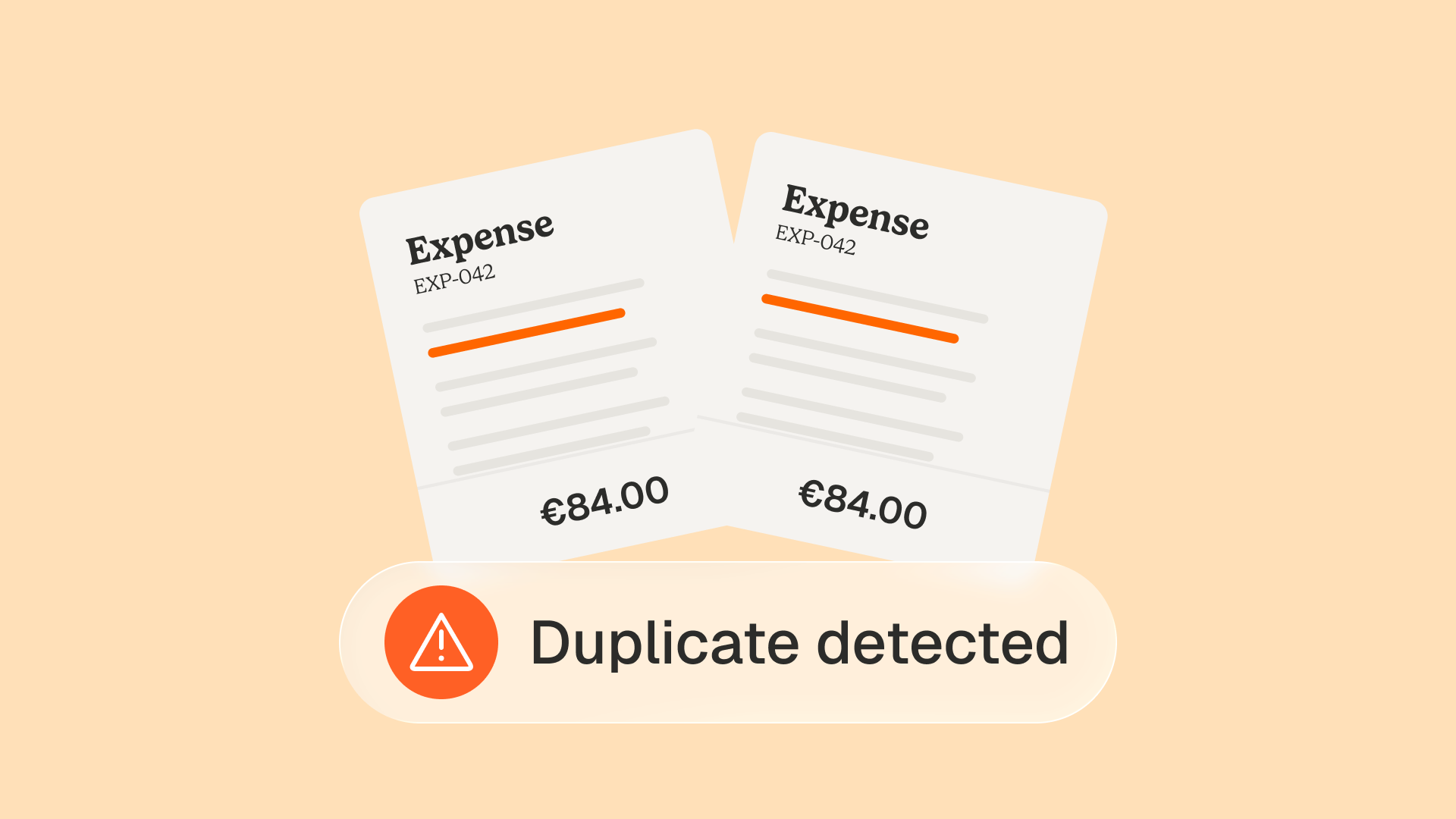
Centralize all invoice processing in one unified system. Real-time validation stops duplicate payments before they happen. Scale effortlessly during peak volumes without hiring extra staff.
Streamlining complex workflows like 3-way matching and reconciliation
3-way matching compares purchase orders, receipts, and invoices automatically. IDP ensures perfect accuracy and prevents payment errors. 3-way matching automation streamlines validation for finance teams.
Manual matching risks costly mistakes and compliance issues. Our system flags discrepancies instantly, saving thousands in potential losses. This strengthens audit readiness and speeds up approval cycles.
Reconcile transactions 90% faster using intelligent logic. Reduce manual review workload significantly, letting your team focus on high-value tasks. Clear audit trails ensure full transparency for every transaction.
Eliminate payment delays to secure early payment discounts. Optimized cash flow management improves your financial health. Real-time data supports smarter budgeting decisions.
Unlocking value with contract intelligence
Contract intelligence analyzes legal documents to extract key terms and deadlines. AI identifies risks and ensures compliance across all agreements. Legal document analysis & extraction with AI enhances your financial oversight.
Proactively monitor renewal dates and obligations to avoid costly penalties. Finance leaders trust this solution for precise contract tracking and audit-ready records. Every clause is analyzed for compliance and risk factors.
Turn contracts into actionable insights with real-time tracking. Track financial obligations and clauses instantly for smarter decisions. This reduces legal risks and improves negotiation outcomes.
Centralize all contract data for instant access across your organization. Streamline negotiations with AI-guided recommendations. Stay ahead of compliance deadlines with automated alerts.
How to choose the right intelligent document processing solution?
Key criteria for evaluating an IDP platform
Selecting the right IDP solution requires careful evaluation of specific criteria. These factors ensure the platform meets your finance team's needs and delivers reliable automation.
- Document-type specificity: handles complex finance documents like invoices and receipts with high accuracy. Adapts to varying formats and languages, reducing manual review time significantly.
- Model customization: AI models learn from human corrections continuously. Ensures adaptation to your specific accounting workflows and minimizes errors over time.
- Integration capabilities: seamless ERP and accounting system connections via APIs. Eliminates manual data entry and cuts costs from $8 to under $0.50 per document.
- Regulatory compliance: built-in GDPR and SOX compliance ensures audit-ready records. Secure data storage with traceable logs reduces compliance risks effectively.
- Scalability: processes thousands of invoices daily without performance loss. Handles peak volumes consistently, ensuring reliable operations during busy seasons.
The critical role of seamless integration
Seamless integration is the backbone of efficient accounting workflows. It ensures data flows smoothly between systems, eliminating manual entry and errors.
Phacet connects directly to your ERP and accounting tools via robust APIs. This creates end-to-end automation for faster, error-free processes.
Automating invoice processing reduces costs from $8 to under $0.50 per document. Finance teams save thousands annually while improving accuracy.
Real-time data flow keeps financial records accurate and up-to-date. Connectors for major platforms ensure quick deployment and smooth operation.
Without proper integration, automation fails. Phacet's solution ensures your systems work together seamlessly for end-to-end processing.
Look for a partner, not just a product
Choosing an IDP partner means selecting experts who understand finance workflows. Phacet's AI agent platform for finance & admin teams is built by finance specialists, not generic developers.
Our team provides ongoing support to optimize processes and maintain audit-ready records. Trust us to handle your back-office transformation with precision.
With Phacet, you gain more than automation, you gain a strategic ally for financial accuracy and efficiency. Our expertise ensures compliance and reliability.
Embracing the future of automated financial operations
From Data Processing to Strategic Financial Intelligence
Manual processing costs up to $9 per document. Errors here can cost thousands. IDP reduces this to $1.42 per invoice with 99% accuracy. This transforms finance from a cost center to a strategic asset.
Finance teams experience 70% faster processing times. Real-time data enables proactive financial decisions. Audit-ready records ensure compliance without manual checks, reducing regulatory risks.
Automation eliminates human errors in data entry, boosting reliability for financial reporting. Teams shift focus to strategic analysis rather than repetitive tasks, driving higher value.
Legacy systems slow down operations and create bottlenecks. IDP processes unstructured data quickly, turning documents into actionable insights for better decision-making.
Your next step towards intelligent automation
Evaluate your current document workflows to identify high-volume, error-prone tasks. Modern IDP solutions integrate seamlessly with existing ERP systems for smooth implementation.
Start with pilot projects to measure ROI. Proven benefits include 20-30% cost savings in back-office operations. Reliable data drives smarter financial strategies and better cash flow management.
The journey begins with understanding IDP’s capabilities. Partner with experts to implement tailored solutions that meet your specific needs. This unlocks true financial intelligence and strategic advantage.
Consider how real-time data improves cash flow forecasting and budgeting accuracy. Precise records support better investment decisions and long-term planning.
Intelligent Document Processing (IDP) revolutionizes finance by converting document chaos into strategic insights. It drastically reduces errors and operational costs, freeing teams to focus on high-impact decisions. With accurate, real-time data, finance leaders drive smarter growth. Embrace AI-powered automation and start your journey toward a resilient, future-ready finance function today.
FAQ
What distinguishes OCR from Intelligent Document Processing?
While OCR (Optical Character Recognition) focuses solely on converting scanned images or PDFs into machine-readable text, Intelligent Document Processing (IDP) takes this a step further by leveraging artificial intelligence to understand context, extract meaningful data, and seamlessly integrate it into business workflows. Think of OCR as the first step, capturing text, but IDP is the complete solution that transforms unstructured documents into actionable insights. As one financial professional shared, "OCR gets you the words; IDP gets you the story behind them."
What are the primary applications of Intelligent Document Processing?
Intelligent Document Processing powers a wide range of business functions by automating the extraction and analysis of data from documents. It's commonly used for invoice processing in accounts payable, streamlining insurance claims, managing customer onboarding in banking, and even handling legal contracts. For example, in finance, IDP centralizes and automates the processing of thousands of invoices, drastically reducing manual entry errors and accelerating payment cycles. In HR, it quickly processes CVs and onboarding documents, turning chaotic paperwork into organized, searchable data.
How does Intelligent Document Processing benefit the insurance industry?
In insurance, IDP revolutionizes claims processing by automatically extracting key details from claim forms, medical records, and policy documents. This speeds up claim validation, detects potential fraud by cross-referencing data, and ensures accurate payouts. One insurer reported that implementing IDP reduced their average claim processing time by over 50%, allowing adjusters to focus on complex cases rather than manual data entry. "It's not just about speed, it's about getting the right information to the right person at the right time," explains a claims manager at a leading insurance firm.
What are common use cases for Intelligent Document Processing?
From finance to healthcare, IDP transforms document-heavy workflows across industries. In finance, it automates accounts payable, reconciles invoices, and processes loan applications. Legal teams use it to analyze contracts and extract critical clauses, while HR departments streamline employee onboarding by processing resumes and background checks. Healthcare providers leverage IDP to digitize patient records and insurance claims, and government agencies use it to process permits and applications. The common thread? Turning unstructured data into structured, actionable intelligence.
Is traditional OCR still relevant in today's document processing landscape?
OCR remains a foundational tool for converting images to text, but it's no longer sufficient on its own for complex document processing. Modern workflows require understanding context, handling variations in document formats, and integrating data into systems, tasks OCR can't do alone. Intelligent Document Processing incorporates OCR as one component but adds AI-driven intelligence to interpret data, validate accuracy, and adapt to new document types. As one IT manager puts it, "OCR is like a dictionary; IDP is the entire library that knows how to use it."
What are the five key stages in the Intelligent Document Processing workflow?
The IDP process typically involves five stages: first, pre-processing and classification, where documents are cleaned and categorized; second, data extraction using AI to identify relevant fields; third, validation and enrichment to ensure accuracy through rules or human review; fourth, integration into business systems like ERP or CRM; and finally, continuous learning where the system improves over time based on feedback. This structured approach ensures documents are transformed from raw inputs into reliable, actionable data with minimal human intervention.
What is Intelligent Document Processing, and can you provide examples?
Intelligent Document Processing (IDP) is an AI-powered system that automates the extraction, understanding, and management of data from various document types. Unlike basic OCR, IDP uses machine learning and natural language processing to interpret context, handle unstructured data, and integrate information into workflows. For example, in finance, IDP processes invoices by extracting vendor details, amounts, and due dates, then routes them for approval. In insurance, it analyzes claim forms to identify key details and flag potential fraud. These examples show how IDP turns document chaos into organized, efficient operations.
Latest Resources

Unlock your AI potential
Go further with your financial workflows — with AI built around your needs.


