
AI-powered financial workflow automation: strategic value
Published on :
December 13, 2025

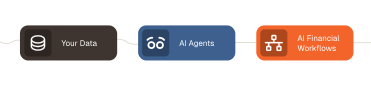
Nicolas Marchais is co-founder and CEO of Phacet. After seven years at Spendesk, he built Phacet as the agentic layer that orchestrates across ERP, banking and email systems. Reliable, auditable, cross-system, what he calls a Finance Workforce.

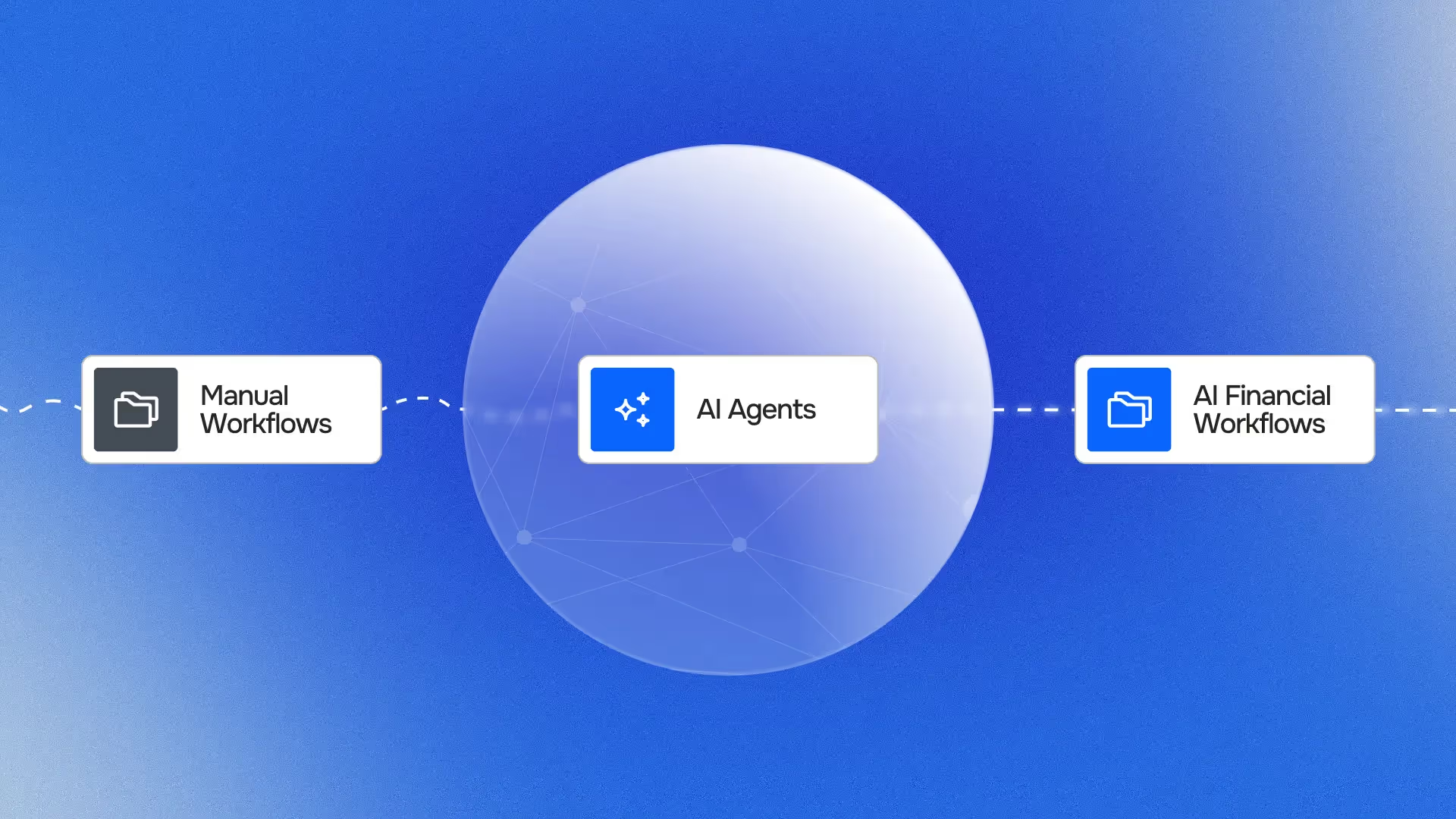
Key takeaway: financial workflow automation transforms teams from manual tasks to strategic advisors. Centralizing and automating processes drastically reduces errors, cuts processing time from hours to minutes, and ensures compliance. Real-time data enables smarter decisions, with thousands of transactions processed in seconds, freeing resources for high-value analysis and growth.
Finance teams worldwide are overwhelmed by time-consuming manual processes that cause costly errors, compliance failures, and missed strategic opportunities; financial workflow automation addresses these challenges by centralizing operations and automating key tasks like invoice processing, bank reconciliations, and financial reporting using AI-powered tools with minimal human intervention, drastically reducing mistakes and saving valuable time. Discover how this transformation delivers immediate efficiency gains, slashing processing times by up to 80%, cutting operational costs by 30%, ensuring strict regulatory compliance, and providing real-time visibility across all financial data, freeing finance professionals to shift from repetitive administrative work to strategic insights that drive business growth and innovation.
- From manual tasks to strategic insights: understanding financial workflow automation
- The immediate impact of automating financial workflows
- Where to start: key financial processes ripe for automation
- The engine behind the transformation: AI agents and core technologies
- A practical guide to implementing financial automation
- The future of finance is automated and intelligent
From manual tasks to strategic insights: understanding financial workflow automation
The daily reality of modern finance teams
Manual financial processes are inefficient, time-consuming, and error-prone. Teams spend hours on tasks like invoice reconciliation, reducing strategic analysis time. Data is often outdated, delaying critical decisions. Compliance risks increase due to inconsistent records.
Disconnected systems force manual data consolidation, creating silos. This leads to inaccuracies and missed opportunities. Manual processes struggle to adapt to market changes. Finance teams are stuck in transactional work instead of strategic roles.
Defining financial workflow automation
Financial workflow automation uses AI and RPA to streamline operations. It minimizes manual work while improving accuracy and speed. AI agents handle complex tasks with continuous learning. This transforms finance from reactive to proactive.
It integrates data across systems, eliminating manual entry errors. Real-time processing ensures up-to-date financial information. Processing time drops from days to minutes. Automation creates a foundation for strategic decision-making.
AI agents manage unstructured data like invoices and receipts. They learn patterns and improve over time. This intelligent automation handles exceptions autonomously. Errors decrease significantly, improving data reliability.
Moving from administrative burden to strategic value
Automation shifts finance from transactional tasks to strategic roles. Teams focus on analysis, forecasting, and business insights. Real-time data enables proactive decisions and agile planning. This transforms finance into a value-driving partner.
Enhanced control reduces risks of errors and fraud. Automated compliance checks ensure regulatory adherence. Cost savings from reduced manual work free up resources. Finance teams deliver higher strategic value to the organization.
Scalable solutions handle growing transaction volumes effortlessly. Collaboration improves with shared, real-time data access. Finance becomes a strategic advisor, driving business growth. The shift is essential for modern financial leadership.
The immediate impact of automating financial workflows
Boosted efficiency and unparalleled accuracy
Automated financial workflows eliminate manual data entry errors, drastically reducing inaccuracies. Tasks like invoice processing that took hours now complete in minutes. This immediate efficiency boost ensures reliable data for strategic decisions and faster reporting cycles. Finance teams gain confidence in accurate, up-to-date information for planning.
Real-time processing accelerates financial operations, freeing teams from repetitive tasks. With fewer errors, confidence in reports grows, enabling better strategic planning and quicker response to market changes. This drives productivity gains and operational efficiency, enhancing agility in dynamic environments.
Significant cost savings and smarter resource allocation
Automation cuts operational costs by minimizing manual labor and administrative expenses. Minimized payroll and tax errors avoid costly penalties and corrections. This cost-saving allows for better budget allocation and improved financial health. Teams can invest savings into growth initiatives.
Finance professionals shift from data entry to high-value analysis and strategy. This reallocation of resources drives innovation and improves overall business performance. Teams focus on strategic initiatives that deliver measurable ROI and competitive advantage. Employees contribute more value through insights rather than routine tasks.
Enhanced compliance and airtight risk management
Automated compliance tools ensure strict adherence to regulations and internal policies. They create unalterable audit trails for every transaction, ensuring transparency. Proactive fraud detection identifies anomalies early, mitigating risks. This approach safeguards financial integrity.
- Automated enforcement of internal policies and approval hierarchies
- Creation of clear, unalterable audit trails for every transaction
- Proactive fraud detection and prevention through anomaly identification
- Ensured adherence to regulatory requirements like tax rules and reporting standards
Real-time visibility for strategic decision-making
Real-time dashboards provide instant access to consolidated financial data, enabling leaders to act on current information. This eliminates delays caused by outdated reports and supports agile decision-making. Immediate visibility into financial performance is crucial for strategic planning. Data-driven insights empower proactive business adjustments.
Timely data allows teams to anticipate issues before they escalate, ensuring smoother operations. Proactive adjustments to financial strategies enhance risk management and drive better outcomes. Finance becomes a strategic business partner, giving organizations a competitive edge.
Where to start: key financial processes ripe for automation
Revolutionizing accounts payable (AP)
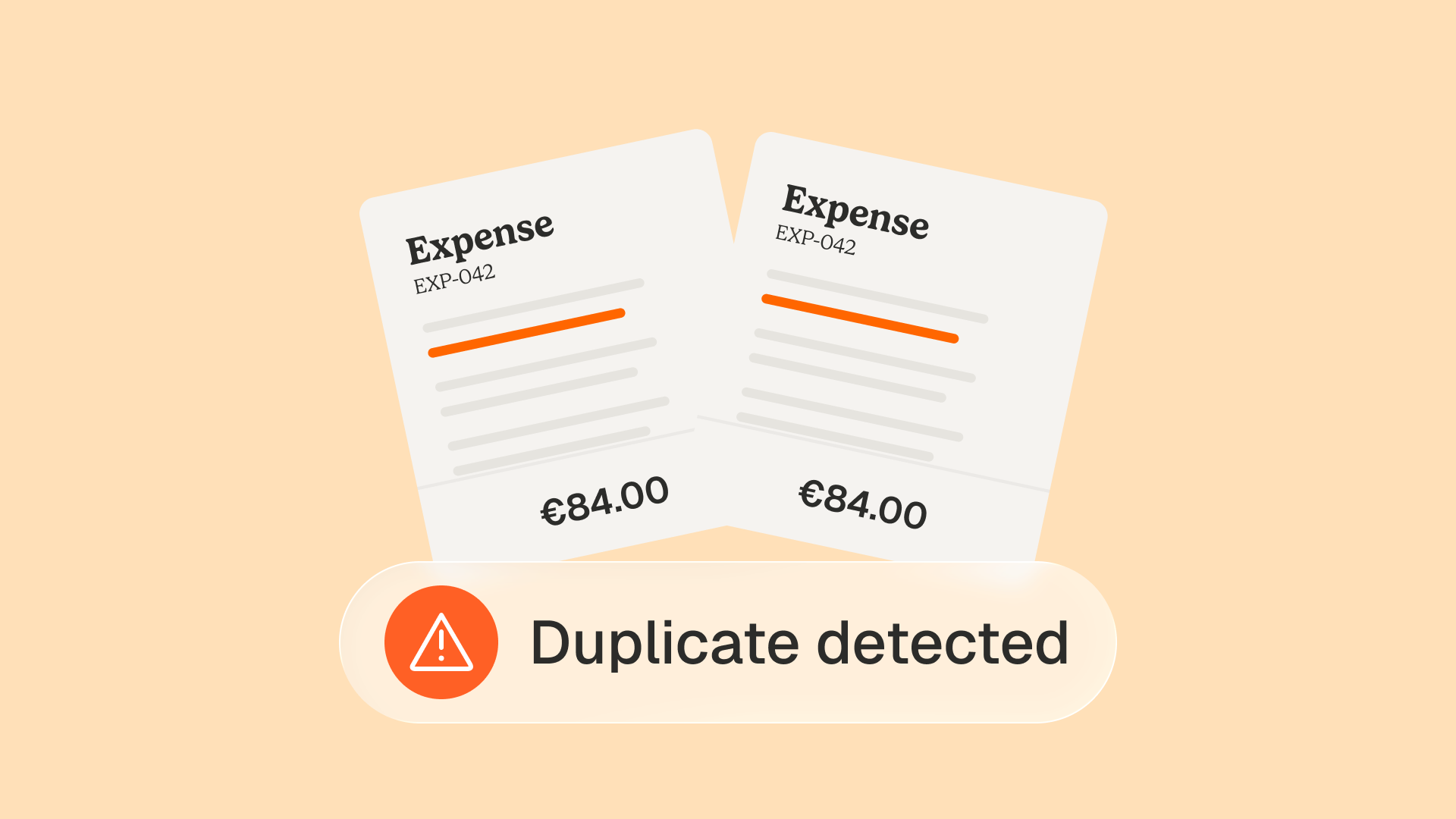
Accounts payable automation captures invoices via OCR, extracts key data, and routes them for approval. Automating the 3-way matching process ensures accuracy and prevents duplicate payments. This reduces processing time by up to 70% while enhancing compliance and supplier relationships.
Extract payments from PDFs and never miss a due date with automated reminders. Suppliers receive timely payments, improving relationships and capturing early-payment discounts. Manual errors drop significantly, saving time and reducing reconciliation issues. This leads to better cash flow management and strategic planning.
Streamlining the accounting inbox and supplier transactions
AI agents sort incoming emails, extract data from attachments, and classify transactions automatically. Automate your accounting inbox to eliminate manual triage. Critical invoices no longer get missed, ensuring timely processing and avoiding late fees. Teams save over 94% time on email sorting and data entry.
Supplier transactions are labeled precisely, tracking margins and spending trends. This visibility helps identify cost-saving opportunities instantly. Teams gain real-time insights into cash flow without manual effort, enhancing financial planning accuracy and reducing errors. Proactive adjustments improve budget adherence and support better forecasting.
Optimizing cash reconciliation and accounts receivable (AR)
Automated bank reconciliation matches thousands of transactions in seconds. Automated bank reconciliation with AI boosts accuracy and reduces errors. Real-time cash visibility supports smarter financial decisions and faster reporting cycles. Liquidity management becomes more efficient with immediate insights and fewer discrepancies.
AR processes speed up invoicing and payment collection. Clients receive timely statements, improving cash flow and reducing days sales outstanding. Automated follow-ups ensure prompt payments without manual intervention, enhancing working capital efficiency and reducing collection delays. This drives better financial health and stronger client relationships.
Accelerating financial close and reporting
- Automated data collection from ERP, CRM, and other systems
- Instant generation of standard financial reports like P&L and balance sheets
- Faster consolidation for multi-entity companies
- Real-time dashboard updates for continuous performance monitoring
These automations slash close cycle time, freeing finance teams to focus on analysis rather than manual compilation. Accurate, timely reports drive smarter strategic decisions and improve overall business performance. Real-time insights enable proactive adjustments to financial strategies, boosting profitability and supporting sustainable growth. Teams achieve faster, more reliable financial closing each month.
The engine behind the transformation: AI agents and core technologies
Beyond basic automation: the rise of intelligent AI agents
Traditional RPA handles repetitive tasks, but intelligent AI agents go beyond. They process unstructured data like emails and PDFs, learn from corrections, and make context-aware decisions. Phacet’s AI agents reduce manual effort by up to 90% in accounting workflows.
Unlike rule-based bots, these agents adapt to new situations. They analyze data patterns and predict issues before they escalate, preventing costly errors. This intelligence transforms finance teams into strategic advisors.
AI agents continuously improve through machine learning. They handle exceptions automatically, freeing staff for higher-value work. For example, they analyze vendor invoices, match them to purchase orders, and flag discrepancies. The result is faster, more reliable financial operations.
The power of seamless system integration
Phacet’s platform integrates effortlessly with ERP systems via bidirectional APIs. Real-time data sync happens without disrupting workflows or IT support needs.
Our no-code AI solution allows non-technical teams to deploy workflows quickly. Finance leaders save time and reduce errors with minimal setup. Creating automated approval flows for purchase orders takes minutes, not weeks.
Seamless ERP integration eliminates data silos and manual entry. It provides a single source of truth, improving accuracy and decision-making speed. This integration supports AP, AR, and payroll processes, ensuring seamless data flow.
Human-in-the-loop: combining automation with human oversight
AI agents manage routine tasks, but critical decisions require human input. Phacet’s human-in-the-loop approach ensures accuracy by involving experts for exceptions. AI agents detect invoice discrepancies and flag them for manager review, ensuring compliance and correct payments. This balance prevents errors while maintaining control.
Finance teams gain confidence knowing AI handles repetitive work. Human oversight is reserved for complex cases, ensuring ethical decisions and regulatory adherence. It’s the best of both worlds: speed and precision.
With Phacet, experts supervise AI actions in real time. They validate outputs and adjust rules as needed. This collaborative model drives sustainable efficiency without compromising security.
A practical guide to implementing financial automation
Step 1: assess your needs and identify bottlenecks
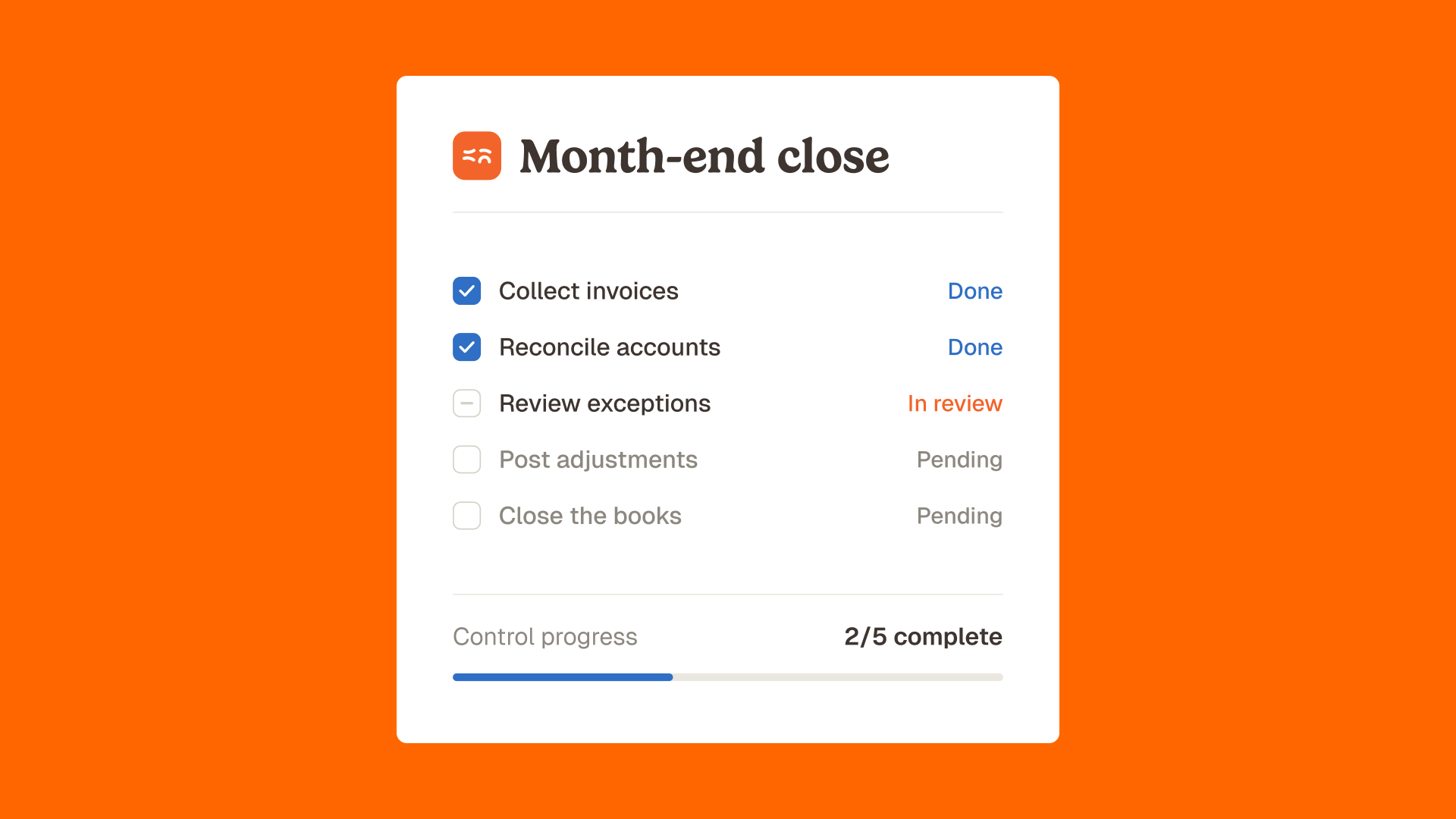
Begin by thoroughly mapping all financial workflows, including accounts payable, expense reporting, and account reconciliations. Identify high-volume, repetitive tasks prone to errors, such as manual data entry or mismatched payments. These bottlenecks often delay month-end closes and increase operational costs.
Prioritizing them ensures quick ROI and sets a strong foundation for targeted automation efforts. Focus on processes that directly impact cash flow or compliance, like vendor payment approvals or tax calculations. Addressing these first delivers immediate efficiency gains while building team confidence in the automation process.
Step 2: choose the right automation platform
- Scalability: ensure the platform scales with your business growth, handling increased transaction volumes during peak seasons without costly infrastructure upgrades.
- Ease of use: an intuitive interface allows non-finance staff, like department managers, to easily approve expenses without extensive training, reducing workflow bottlenecks.
- Integration capabilities: native integrations with ERP systems like SAP or Oracle eliminate manual data entry, ensuring real-time accuracy across all financial operations.
- AI-powered intelligence: advanced AI agents analyze historical data to detect anomalies, predict cash flow issues, and automate complex decision-making beyond simple rule-based tasks.
Phacet’s AI-driven platform streamlines finance operations by automating high-volume tasks such as invoice matching and fraud detection. Its seamless integration with existing ERPs ensures data consistency and compliance, while eliminating the need for complex customizations. Phacet’s AI agents handle complex tasks like tax compliance checks and real-time financial reporting, providing CFOs with actionable insights to optimize cash flow and reduce risks.
Step 3: master change management for successful adoption
Effective change management is key to adoption. Clearly communicate that AI agents augment human roles, not replace them. For example, department heads can quickly review and approve expenses via mobile, with real-time budget visibility, reducing approval times from days to hours.
Teams report 30% fewer errors and faster month-end closes due to automated validations. Transparency in workflows builds trust across departments, enabling better collaboration and data-driven decisions that drive business growth. This real-time visibility ensures accurate financial forecasting and proactive risk management.
The future of finance is automated and intelligent
Embracing the new strategic role of finance
AI agents revolutionize financial workflows by combining automation, intelligence, and human collaboration. They handle repetitive tasks like invoice processing and reconciliations, slashing errors by 40% and reducing processing times by 70%. Teams gain real-time visibility into financial data for smarter decisions.
CFOs now shift from transactional work to strategic advisory roles. With AI-driven insights, they forecast trends, manage risks, and optimize cash flow. This transformation drives sustainable growth and competitive advantage.
The synergy between AI agents and human expertise creates powerful capabilities. Teams leverage real-time data for proactive decisions, ensuring agility in volatile markets. This enables finance teams to focus on strategic initiatives rather than manual tasks.
Your next step towards intelligent automation
Start automating high-impact processes today. Phacet’s agents streamline AP/AR, payroll, and expense management. Reduce manual work by up to 90% and reallocate staff to high-impact tasks immediately. For example, automated expense reporting cuts processing time by 80% and ensures compliance with company policies.
Our platform integrates seamlessly with your current systems. Achieve faster closing cycles and accurate reporting in weeks. For instance, month-end closing is reduced from days to hours. Discover our AI agent platform for finance & admin teams
While 79% of finance leaders adopt AI agents, only 34% use them in accounting functions. Early adopters report 25% faster closing cycles and 30% higher accuracy. Don't miss out, explore Phacet’s tailored solutions to drive efficiency and strategic growth now.
Financial workflow automation shifts teams from manual work to strategic insight. AI-driven processes ensure accuracy, efficiency, and real-time visibility, empowering finance professionals to drive business growth. Don't wait, embrace the future. Discover our intelligent AI platform and transform your finance operations today.
FAQ
How to automate finance processes?
Start by identifying repetitive, time-consuming tasks like invoice processing or bank reconciliations. Next, select the right tools, such as AI-powered automation platforms that integrate with your ERP. Implement step-by-step, train your team to use the new system, and continuously monitor for improvements. As one CFO shared, "Automation isn't about replacing people; it's about freeing them to focus on strategic work."
What are examples of workflow automation?
Common examples include automating accounts payable (AP) with invoice processing, streamlining accounts receivable (AR) for payment tracking, managing employee expense reimbursements, and using tools for bank reconciliation. These systems reduce manual effort, cut errors, and speed up financial operations significantly. For instance, AI agents can extract data from PDF invoices and match them to purchase orders in seconds, turning hours of work into a single click.
What are financial workflows?
Financial workflows are the structured steps involved in financial operations, like processing invoices, managing payroll, or preparing financial reports. They outline how tasks move from start to finish, often involving approvals, data entry, and reporting. When automated, these workflows become faster and more accurate, allowing teams to focus on analysis rather than manual tasks. Think of it as centralizing and automating the entire financial engine of your business.
What are the 4 types of automation?
The four main types are: fixed automation (dedicated systems for specific tasks), programmable automation (reprogrammable for different tasks), flexible automation (quick adjustments for varied products), and integrated automation (computer-controlled systems working together seamlessly). Each type serves different operational needs, from high-volume manufacturing to complex business processes, helping organizations scale efficiently without proportional cost increases.
What are the four types of workflows?
Workflows are commonly categorized as sequential (step-by-step), state-based (changing states based on conditions), workflow (BPMN standards), and ad-hoc (flexible, unstructured). These types help structure processes efficiently, ensuring tasks move smoothly from initiation to completion. Choosing the right workflow type depends on your specific business needs and complexity, like using state-based workflows for approval chains or ad-hoc for creative projects.
What are the 4 stages of process automation?
The four stages are: identify (pinpoint repetitive tasks), design (map the automated process), implement (deploy the solution), and monitor (track performance and refine). This cycle ensures automation evolves with your business needs, driving continuous improvement. As one finance leader noted, "Automation isn't a one-time fix, it's a journey of constant refinement." Start small, celebrate quick wins, and scale strategically.
Latest Resources

Unlock your AI potential
Go further with your financial workflows — with AI built around your needs.


