AI-powered cash flow automation: reactive to predictive
Published on :
December 22, 2025

Nicolas Marchais is co-founder and CEO of Phacet. After seven years at Spendesk, he built Phacet as the agentic layer that orchestrates across ERP, banking and email systems. Reliable, auditable, cross-system, what he calls a Finance Workforce.

Key takeaway: AI-driven cash flow automation shifts finance from reactive to predictive, centralizing data for real-time visibility. It drastically reduces manual errors and frees teams to focus on strategic planning. Mercy Radiology automated 98% of invoicing and collections, enhancing cash flow accuracy and agility. This transformation enables proactive financial decisions and optimizes working capital.
Is your finance team stuck in a cycle of manual cash flow management, drowning in spreadsheets, facing constant errors, and missing real-time insights that could prevent costly financial surprises? Cash flow automation breaks this cycle by seamlessly integrating all your financial data sources, banking systems, ERPs, invoices, into a single intuitive platform, delivering AI-powered visibility and predictive analytics. Discover how this transformation drastically reduces errors, ensures accurate forecasting, accelerates payment cycles, and empowers your team to shift from reactive firefighting to strategic growth, unleashing business agility and financial resilience with every automated process.
- From reactive to predictive: the new era of cash flow management
- Core benefits of automating your cash flow
- How intelligent automation transforms treasury operations
- Key cash flow processes ripe for automation
- A deeper dive: strategic insights from automated cash flow analysis
- Building a future-proof finance function with Phacet
From reactive to predictive: the new era of cash flow management
The limits of manual cash flow management
Manual cash flow management relies on siloed tools and spreadsheets, 88% of financial models contain errors, leading to costly miscalculations. Without real-time visibility, teams struggle to anticipate liquidity fluctuations and often overestimate available cash by up to 30%. Operations suffer as slow validations and manual processes inflate invoice processing costs to $10–$30 each.
Delays also undermine supplier trust, resulting in more than $50K in yearly penalties for many organizations. This reactive model restricts finance teams’ ability to act strategically, highlighting the need for intelligent automation.
Defining AI-driven cash flow automation
AI-driven cash flow automation unifies treasury operations across ERP, banking, and financial tools. Instead of relying on manual entry, automation synchronizes data and eliminates discrepancies.
To understand why AI agents surpass traditional automation, explore the purpose of an AI agent.
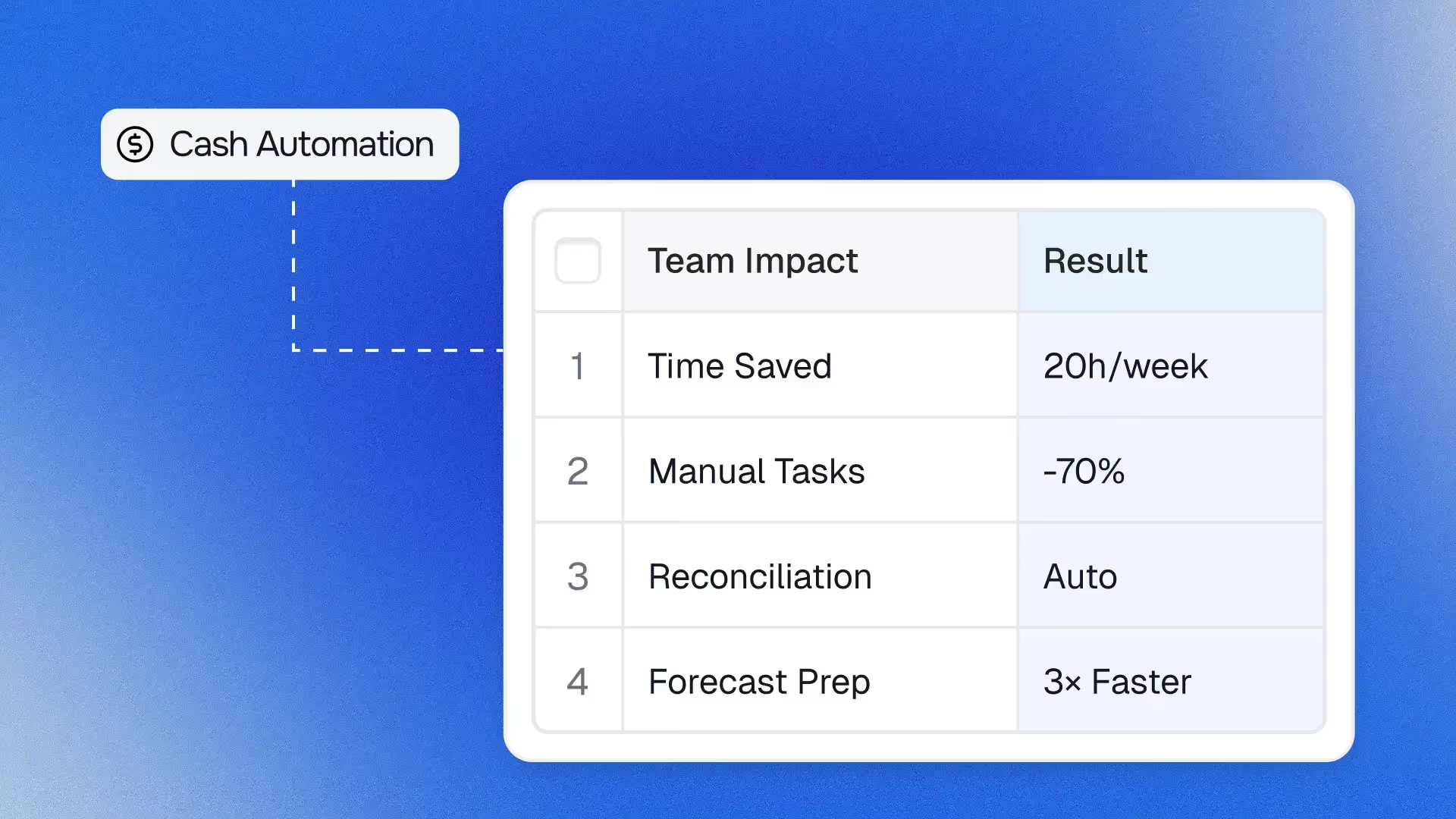
Phacet centralizes data by combining RPA, BPM, and machine learning to deliver continuous monitoring and real-time cash flow visibility. Mercy Radiology, for example, automated 98% of invoicing using AI-driven workflows, dramatically improving accuracy and processing speed.
By integrating disparate systems into one secure environment, automation transforms treasury reporting into actionable insights.
The strategic shift for finance leaders
With automation handling data entry, reconciliation, and routine validations, CFOs can shift from operational oversight to strategic decision-making. Predictive models improve cash flow forecasting accuracy by 25–40%, enabling smarter investments and resource allocation.
Teams gain real-time visibility into cash positions, transforming finance from a cost center into a growth enabler. This agility empowers leaders to identify investment opportunities or mitigate liquidity risks before they escalate.
Core benefits of automating your cash flow
Achieve real-time visibility and control
Phacet consolidates treasury data into a unified platform accessible in Phacet’s product suite. This eliminates delays caused by manual collection and ensures every transaction is captured in real time.
CFOs gain instant visibility into current liquidity levels, enabling proactive decisions rather than reactive adjustments. This real-time insight helps avoid liquidity shortages and optimize cash retention.
Empower teams beyond productivity
Automation elevates finance teams by dramatically reducing manual work and operational risks.
Key benefits include:
- Drastically reduced errors: clean, auditable financial data
- Accelerated payment cycles: automated invoicing and scheduling
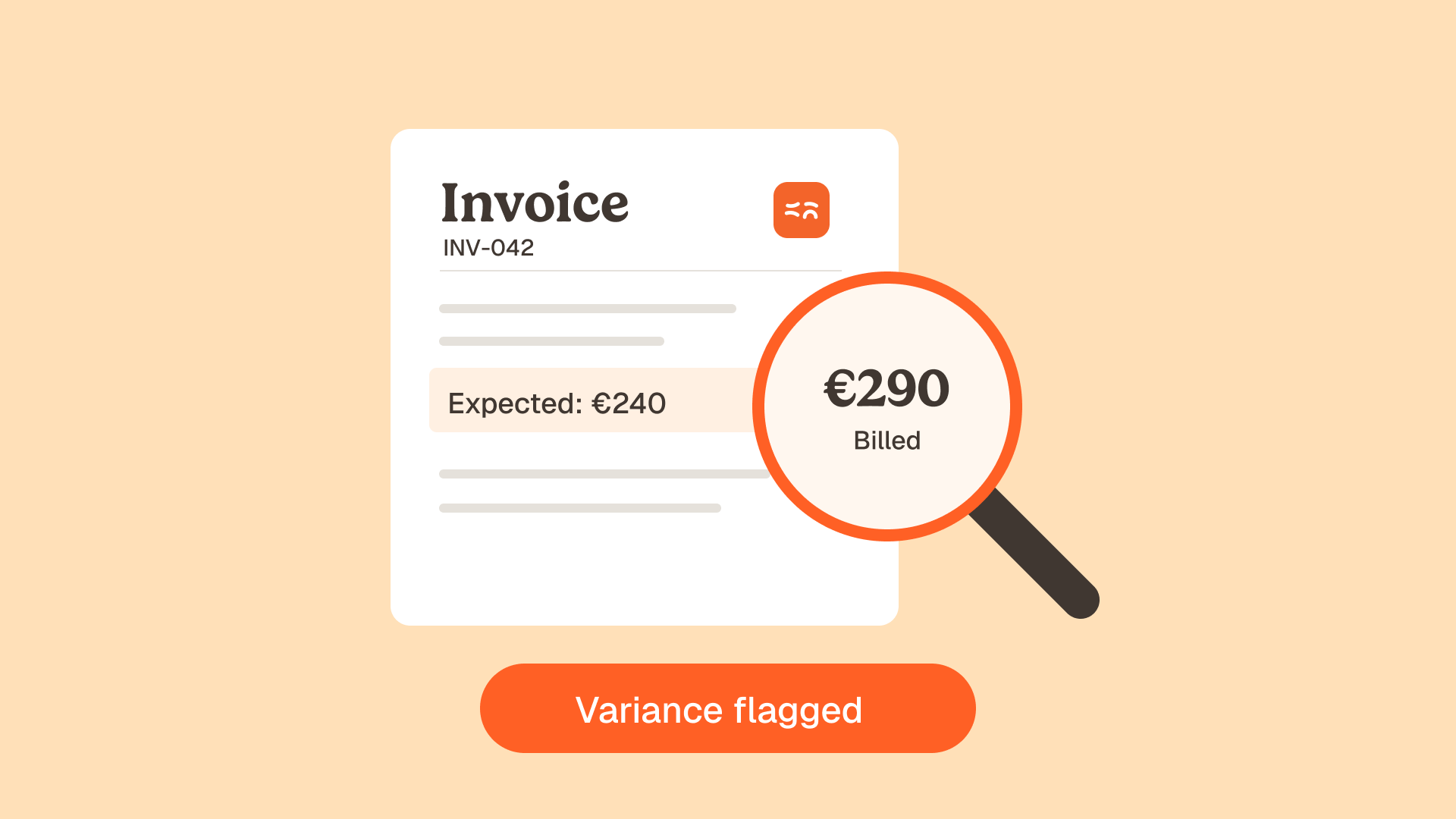
- Enhanced fraud detection: AI flags anomalies instantly
By removing low-value tasks, finance teams gain time to focus on strategic planning. This shift strengthens compliance, improves reporting accuracy, and enhances financial resilience.
Improve forecasting accuracy and strategic planning
Phacet’s AI-driven models leverage continuous monitoring to deliver near real-time accuracy. Unlike static spreadsheets, dynamic forecasts adjust automatically as inputs change.
Automated reconciliation maintains forecast reliability across volatile environments, offering strong support for long-term financial planning. With more accurate projections, leaders can strategically allocate cash and navigate uncertain markets with confidence.
How intelligent automation transforms treasury operations?
Moving beyond RPA with AI agents
Traditional RPA automates repetitive actions but lacks adaptability. AI agents learn, interpret context, and autonomously optimize workflows.
For a deeper dive into their unique role, visit: What is the purpose of an AI agent?
This is essential for modern treasury management, where real-time insights and flexible workflows are critical.
Centralizing data from disparate systems
Phacet integrates data from ERP, banking systems, and spreadsheets into one secure environment, eliminating data silos and reducing reconciliation time by 80%.
This approach aligns with our dedicated use case on reconciliation: Cash reconciliation automation
A unified dashboard provides immediate visibility across all treasury data, ensuring consistency without replacing existing systems. This structured centralization accelerates month-end close and strengthens compliance.
Enabling continuous data monitoring and analysis
Phacet monitors cash movements 24/7, dynamically adjusting forecasts and alerting teams to potential shortfalls or surpluses before they occur. Predictive insights empower proactive resource planning, reduce liquidity risk, and ensure treasury teams stay ahead of market fluctuations.
Key cash flow processes ripe for automation
Automated cash flow forecasting
AI analyzes open invoices, sales orders, GL entries, budgets, inventory forecasts, and market trends to deliver accurate cash flow projections. This comprehensive data model increases forecast accuracy by up to 95%.
By consolidating all drivers into a single model, organizations gain a 360° view of future cash positions, enabling real-time adjustments and improved risk management.
Intelligent accounts payable (AP) and accounts receivable (AR) management
AP automation optimizes working capital by managing 3-way matching, supplier payments, and expense labeling.
AR automation accelerates cash inflows and reduces DSO by up to 15 days.
AI-powered reconciliation achieves 99% accuracy and reduces disputes, significantly improving working capital performance.
Streamlined bank transaction reconciliation
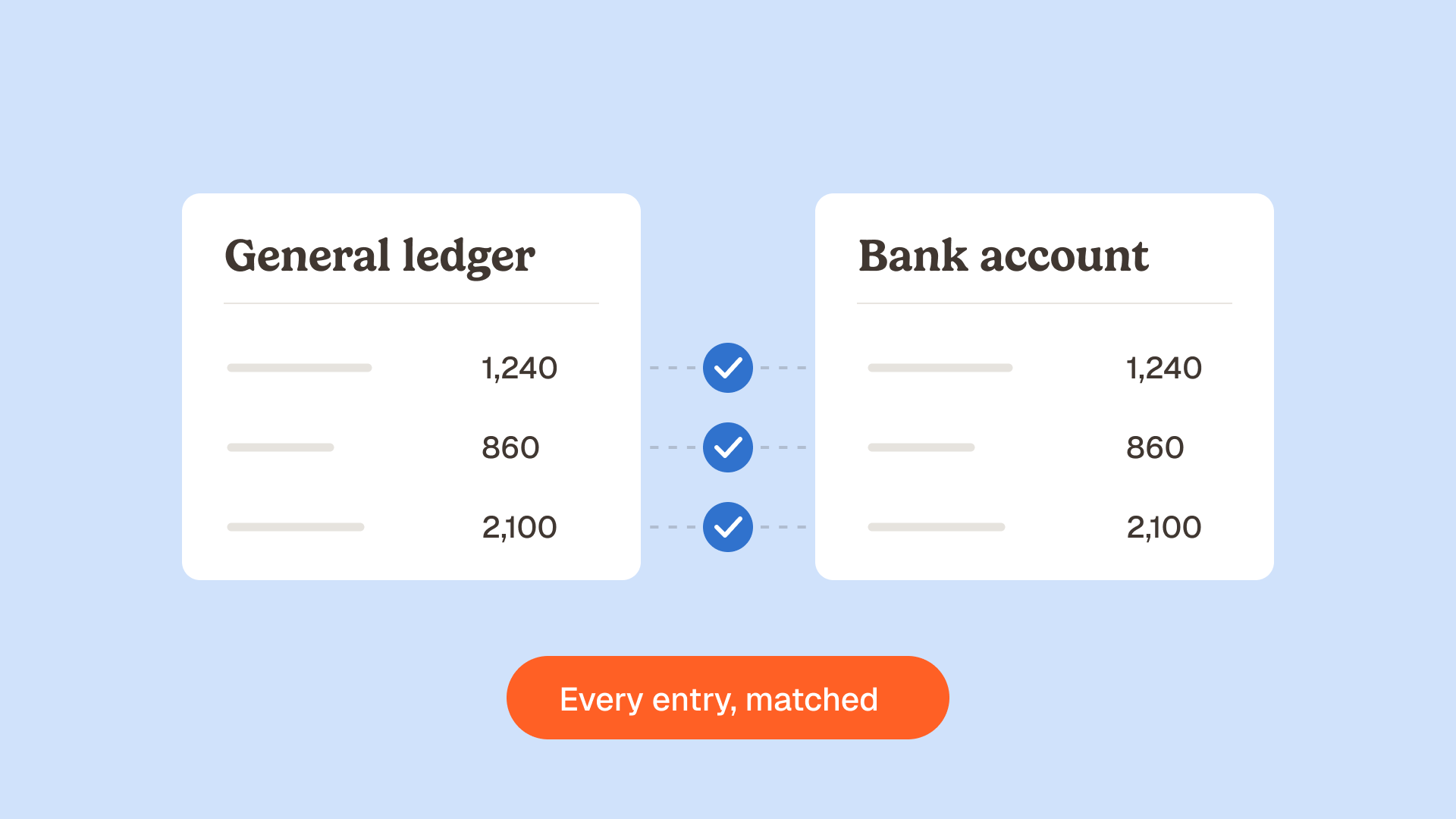
AI automatically categorizes cash flows, matches thousands of transactions, and identifies discrepancies instantly.
Real-time reconciliation reduces close time by 80% and provides immediate liquidity insights, strengthening treasury decision-making.
A deeper dive: strategic insights from automated cash flow analysis
Optimizing cash from operations (CFO)
Phacet centralizes treasury data, improves AR collections, optimizes DPO, and enhances visibility for faster decision-making. Automated workflows accelerate receivables, reduce DSO, and free cash for strategic investments.
Informing investing (CFI) and financing (CFF) decisions
Accurate forecasts guide investment decisions, identify upcoming financing needs, and optimize funding timing. Scenario simulations reduce risk and maximize long-term ROI.
Measuring success with the right KPIs
Key KPIs include:
- Forecast accuracy
- Working capital ratios
- Time-to-close improvements after automation
These metrics provide clear visibility into treasury efficiency and automation impact.
Building a future-proof finance function with Phacet
The journey is a transformation
Phacet moves finance teams from reactive processes to proactive, data-driven decision-making. Centralized treasury data and predictive analytics transform cash flow into a strategic business lever.
Your platform for intelligent automation
Phacet’s AI agents integrate with ERP, CRM, and banking systems to automate reconciliation, detect anomalies, and centralize financial data.
Explore all capabilities here: Phacet Product Platform
Human-in-the-loop controls ensure accuracy, compliance, and full auditability.
Take control of your cash flow today
Phacet helps finance teams eliminate manual bottlenecks, reduce errors, and gain full visibility across all treasury operations. Automated reconciliation, anomaly detection, and real-time monitoring create a more reliable and controlled cash environment. You can trial the platform quickly, onboard real data in just a few steps, and scale to full deployment without heavy configuration or IT involvement. Start strengthening your liquidity strategy today with intelligent automation built for modern finance teams.
FAQ
What does cash flow automation really mean?
Cash flow automation uses intelligent AI systems to manage and optimize the movement of money in and out of your business. It centralizes data from banks, ERPs, and accounting tools, eliminating manual errors and providing real-time visibility. As a finance director at a manufacturing firm puts it, "It’s not just saving time, it’s giving us the clarity to act strategically." This approach turns routine tasks into actionable insights, freeing teams to focus on growth.
Can ChatGPT create a cash flow statement?
While ChatGPT can explain how to structure a cash flow statement or help draft templates based on provided data, it can’t generate accurate, real-time statements on its own. It lacks access to live financial systems and transaction data. For reliable cash flow statements, businesses need integrated tools that pull directly from ERP or banking platforms, ensuring precision and compliance.
Which AI tools are best for cash flow forecasting?
Leading AI platforms like PhacetLabs combine machine learning with real-time data from invoices, payment histories, and market trends to predict cash positions accurately. These systems adjust forecasts dynamically as new information comes in. A treasury manager at a global retailer shared, “Our forecasting accuracy jumped to 95%, we’re making decisions faster with way fewer surprises.”
How do CFF, CFI, and CFO differ?
CFO (Cash Flow from Operations) tracks cash generated from core business activities like sales and expenses. CFI (Cash Flow from Investing) covers purchases or sales of assets and investments. CFF (Cash Flow from Financing) involves debt, equity, and dividend transactions. Understanding these three categories helps businesses track where cash comes from and where it’s going, ensuring strategic alignment with financial health.
What are the three main types of cash flows?
The three main types of cash flows are operating (CFO), investing (CFI), and financing (CFF). Operating cash flow reflects day-to-day business activities, investing relates to asset purchases or sales, and financing involves transactions with owners and creditors. Together, they provide a complete picture of a company’s liquidity and financial strategy.
What is cash automation?
Cash automation refers to using technology to streamline all cash-related processes, like payments, reconciliations, and forecasting. It’s the foundation of efficient cash flow management, centralizing data and reducing manual work. As one finance leader noted, “It’s intuitive, everyone understands it immediately.” This approach ensures accuracy and frees teams to focus on higher-value strategic work.
What’s the top AI tool for finance teams?
While the "best" tool depends on specific needs, platforms like PhacetLabs lead the way with AI agents that automate complex treasury tasks. They centralize data, predict cash needs, and drastically reduce manual effort, allowing finance teams to shift from reactive tasks to strategic growth initiatives. As one CFO shared, “It’s not just about automation, it’s part of a larger transformation.”
Latest Resources
Unlock your AI potential
Go further with your financial workflows — with AI built around your needs.