Supplier invoice validation software: how finance teams can validate every invoice before payment
Published on :
February 23, 2026

Nicolas Marchais is co-founder and CEO of Phacet. After seven years at Spendesk, he built Phacet as the agentic layer that orchestrates across ERP, banking and email systems. Reliable, auditable, cross-system, what he calls a Finance Workforce.

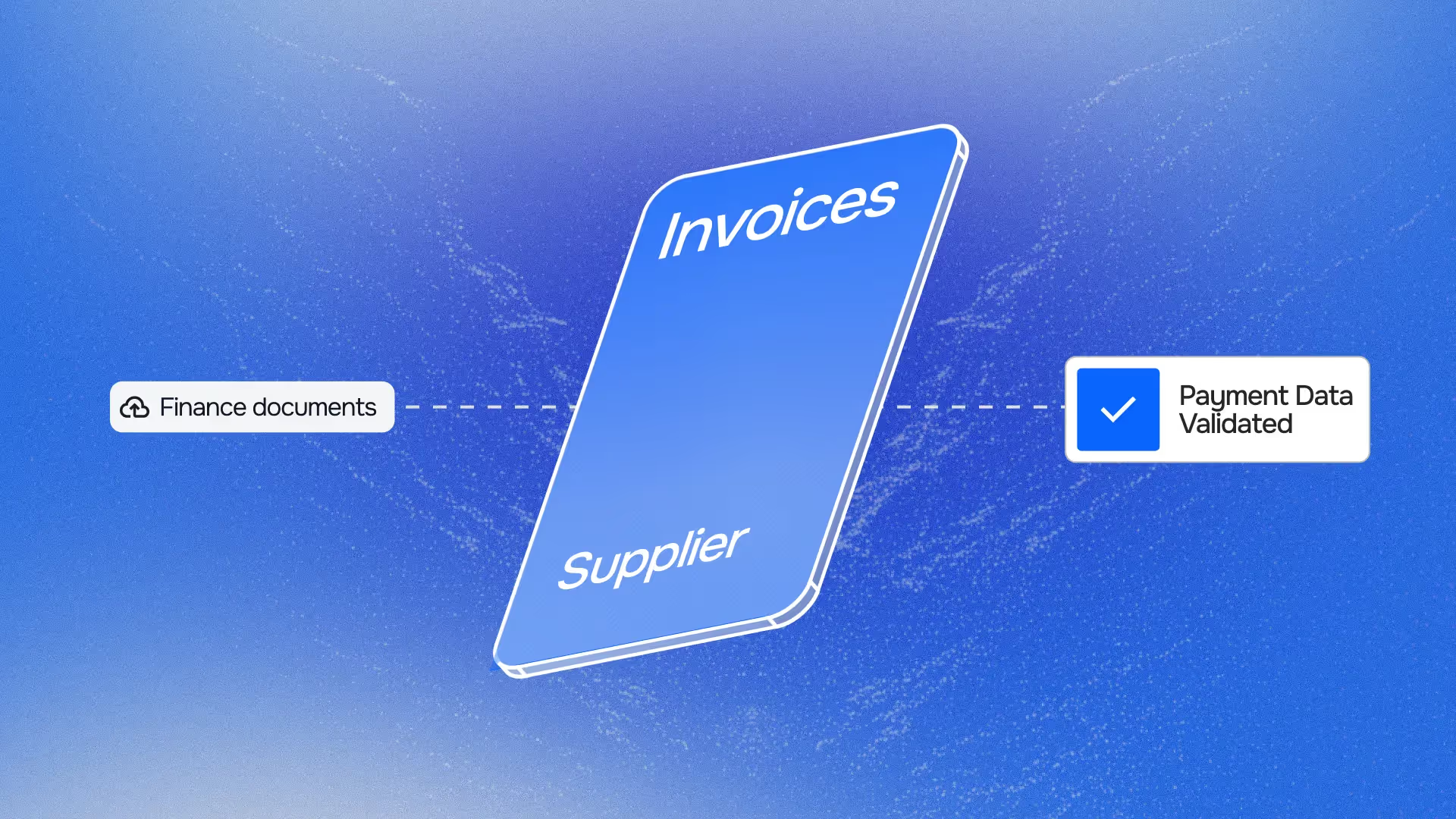
Overpayments rarely announce themselves. They hide inside a 3% price discrepancy on a high-volume supplier, a duplicate invoice submitted two weeks apart with a modified reference, or a legitimate-looking document carrying a quietly changed IBAN. Finance teams relying on sampling validate fewer than 20% of incoming invoices, leaving 80% to enter the ERP and reach payment approval without any systematic check.
The cost compounds fast. Vivason, a distribution group, was absorbing pricing variances it couldn't fully quantify until it deployed supplier invoice validation software to cross-reference every invoice against its negotiated catalogs. The result: €180,000 in annual overpayments prevented. Not from a single fraud event, from routine, undetected billing drift across hundreds of supplier lines.
This article explains how finance teams can validate supplier invoices before payment, which controls matter most, and what to look for in a validation tool built for the moment that counts.
Why invoice validation fails without dedicated software
ERP systems are not validation tools. They record what they receive. When an invoice arrives with an incorrect unit price, a rounded quantity, or a misrouted entity assignment, the ERP processes it faithfully, and the error becomes your accounting problem, not the system's.
The gap this creates is structural. Procurement negotiates terms. Suppliers invoice against those terms, or slightly outside them. Finance teams, caught between inbox volume and month-end pressure, validate what they can and sample the rest. Industry data shows invoice error rates between 1% and 8% depending on sector and supplier complexity, with each undetected error requiring 5–10x more effort to correct post-payment than pre-payment.
Dedicated supplier invoice automation software closes this gap by moving the validation checkpoint earlier: before the invoice reaches the ERP, before the payment run is approved, before the error has a chance to settle into your books.
The six checks that prevent overpayments before payment
Not all validation controls carry the same financial weight. The ones below address the most frequent and most costly failure modes in supplier invoice processing.
1. Price compliance against negotiated catalogs
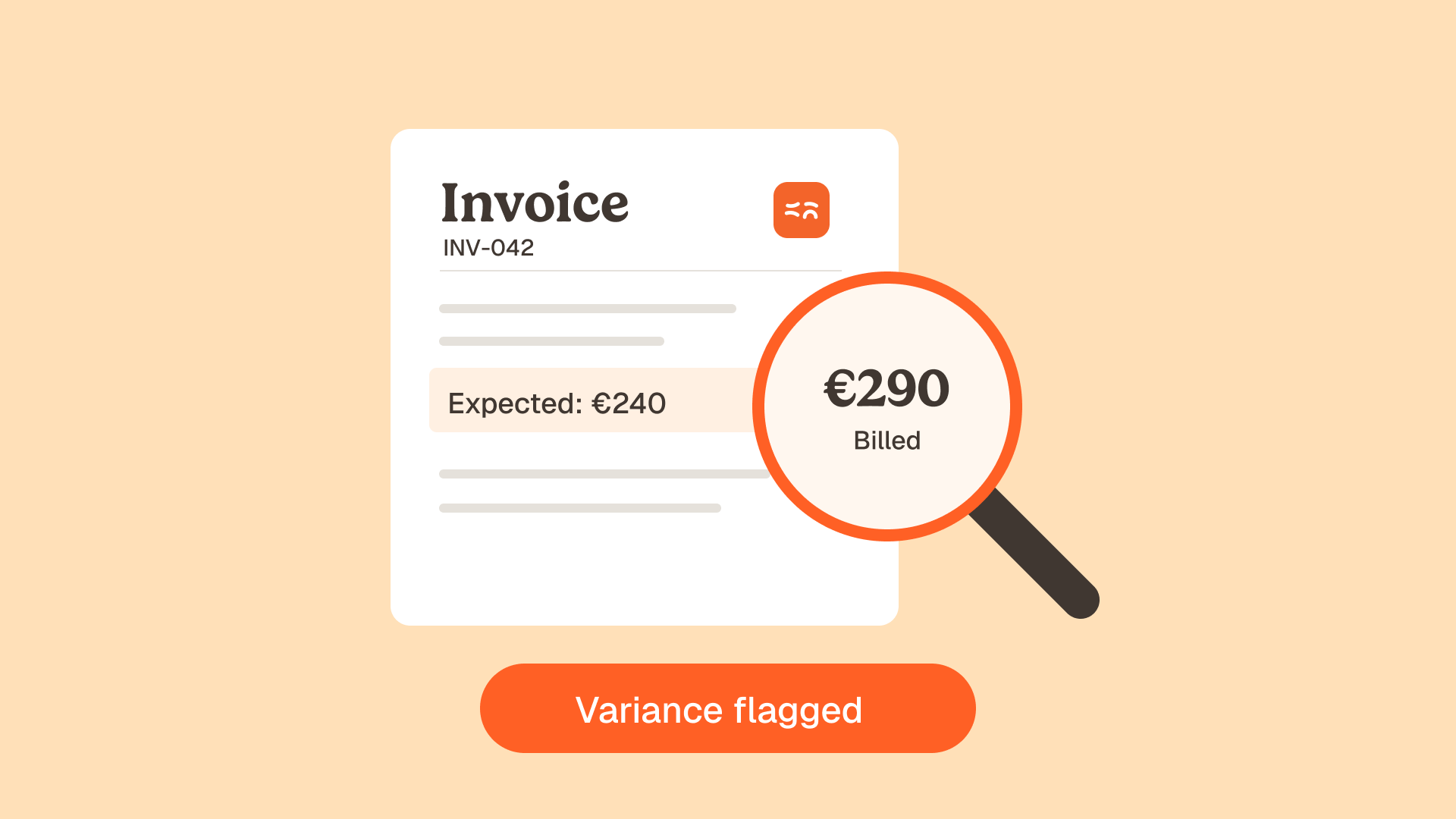
This is the single most impactful check for teams with active supplier agreements. Every invoice line is cross-referenced against the applicable contract, catalog price, or mercuriale. Any discrepancy above a configured threshold, 2%, €50, or whatever reflects your materiality judgment, triggers a review request before approval.
Vivason's €180,000 prevention came directly from this control. Systematic cross-referencing at scale surfaces billing drift that manual spot-checks miss because the pattern only becomes visible across hundreds of lines, not within a single invoice review.
Phacet's supplier billing control agent runs this check automatically on 100% of documents, with full traceability of which contract version was applied to which invoice line.
2. Three-way matching
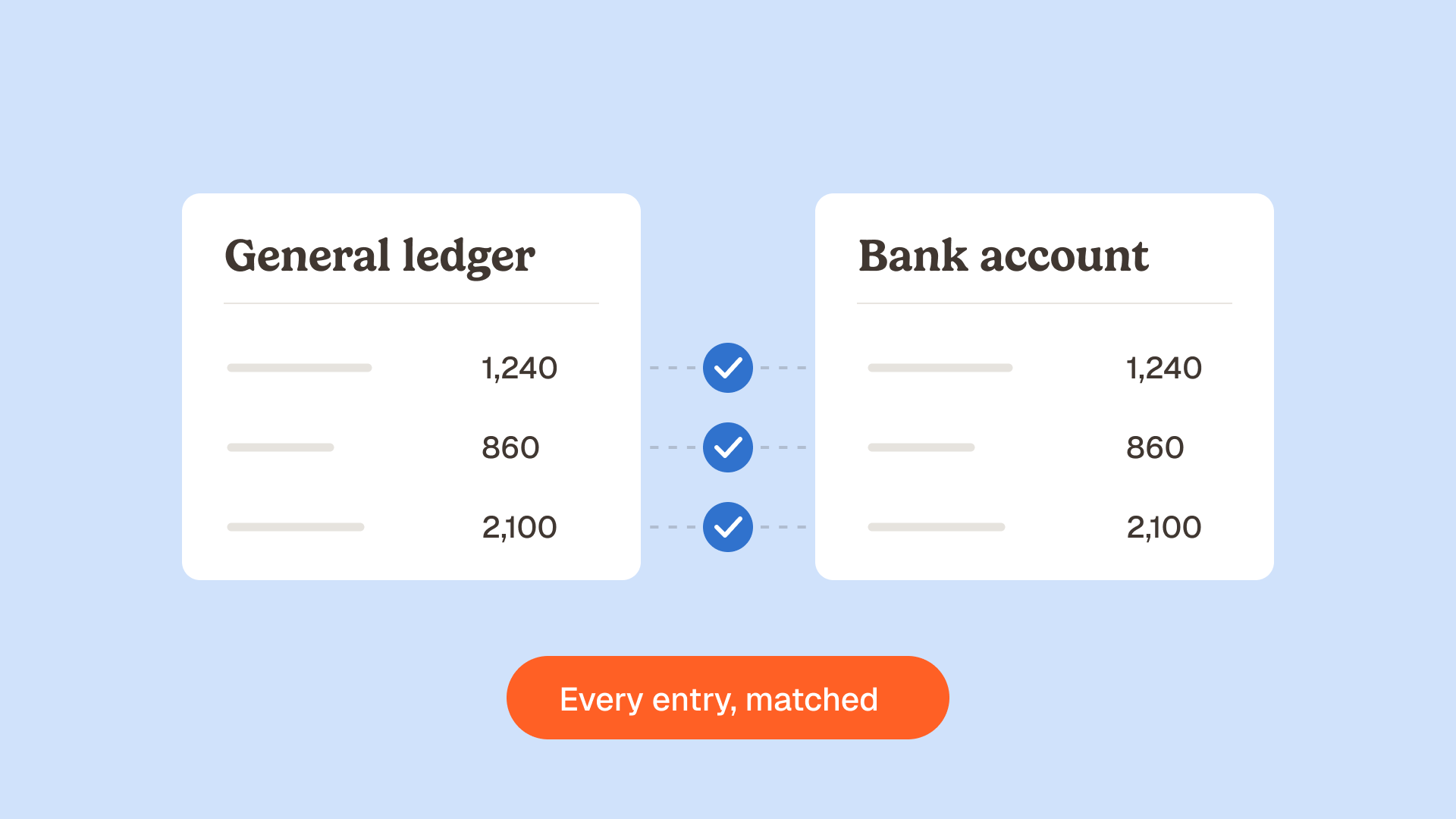
Three-way matching reconciles three documents that should tell the same story: the purchase order, the delivery note, and the supplier invoice. When they diverge, on quantities delivered, unit prices, or line item descriptions, the system flags the mismatch before payment is released.
Jinchan Group, a multi-brand F&B operator, increased its anomaly detection rate by 5x after automating this control. Before automation, matching was performed manually on a sample; the majority of invoices passed through unchecked. Automated 3-way matching covers every document in every cycle, without exception.
For a detailed breakdown of how this process works in practice, see our article on AI-powered 3-way matching automation.
3. Duplicate invoice detection
Duplicate invoices account for a significant share of preventable overpayments. They arrive as re-sent PDFs, as invoices with slightly modified reference numbers, or as the same document routed to multiple entities in a group structure.
Effective duplicate detection runs cross-checks across:
- Same supplier + same amount + overlapping date window
- Invoice reference variants with identical underlying data (INV-2024-001 vs. INV2024-001)
- Cross-entity submissions where holding and subsidiary receive the same document
The check must run across the full invoice history, not just the current period. Duplicates submitted across month boundaries are among the most commonly missed.
4. IBAN and banking detail verification
IBAN fraud, where a fraudulent document triggers a payment to a criminal account, is one of the most financially severe and hardest-to-recover invoice fraud vectors. The mechanism is simple: a document arrives that looks like a legitimate supplier communication, carrying updated banking details, and a subsequent payment is wired to the wrong account.
Automated validation flags any invoice where banking details differ from the verified supplier record and routes it for human review before payment approval. This check runs in real time, on every document. 40% of companies were affected by payment fraud in 2023, according to Association of Certified Fraud Examiners data, and IBAN manipulation is consistently among the top methods.
5. Supplier identity and document quality
Not every fraudulent or erroneous invoice is sophisticated. Some fail basic quality checks: unreadable PDF scans, missing mandatory fields (VAT number, invoice date, legal entity), sender email domains that don't match the supplier's registered domain. Others come from suppliers flagged as new, never previously seen, and warrant human verification before any payment proceeds.
A supplier invoice validation software layer checks these criteria automatically. Documents that fail quality thresholds are quarantined before they enter the approval queue, keeping the ERP clean from day one.
6. Approval threshold enforcement
Not every invoice should follow the same approval path. A €180 utility bill and a €45,000 equipment invoice should not receive identical handling. Automated threshold enforcement routes invoices based on amount, supplier category, or entity, ensuring that high-value payments receive the escalation and human oversight they require.
This control also creates a documented escalation trail, which matters for audit purposes and internal governance. Explore how a complete audit trail integrates with each validation decision in Phacet's platform.
The timing problem: why most teams validate too late
The six controls above are not new concepts. Most finance teams know they should check prices, match documents, and verify banking details. The problem isn't knowledge of what to check, it's when the check happens.
Post-ERP validation is structurally broken. By the time an error is discovered during month-end reconciliation or internal audit, the payment may already be authorized. Recovering funds from an overpayment requires supplier credit notes, which take weeks to negotiate and often arrive as offsets against future invoices rather than cash returns.
Post-payment detection is even worse. Once a wire clears to a fraudulent account, recovery rates are low and timelines are long.
The correct architecture positions validation between document receipt and ERP entry. Every invoice passes through the validation layer first. Clean documents proceed automatically to the ERP and approval queue. Flagged documents are escalated for human review. The ERP receives only validated, decision-grade data, never raw, unverified input.
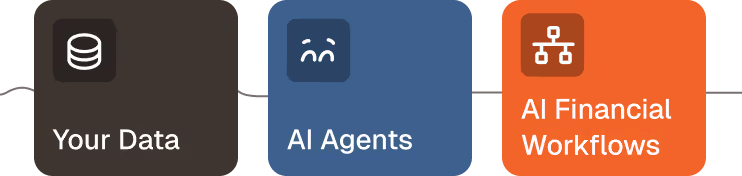
This is the approach Phacet's accounts payable automation platform is built around: the pre-decision validation layer that sits upstream of every payment commitment.
What good supplier invoice validation software looks like
The market for invoice processing tools is crowded, but most products solve a different problem. OCR and extraction tools digitize documents, they don't validate them. ERP inbox forwarding routes emails, it doesn't check them. Workflow automation tools move documents from A to B, without questioning whether the data is correct.
Supplier invoice validation software needs to do something more specific: apply business logic to 100% of incoming documents, before any payment action is taken.
Here's what that requires in practice.
Coverage, not sampling. The tool must run on every invoice, every cycle. Sampling is not a feature, it's a limitation. Any system that processes a subset and leaves the rest unchecked creates exactly the blind spots that allow overpayments to persist.
Pre-ERP positioning. Validation must happen before the document enters the ERP, not inside it. Post-entry validation is cleanup work. Pre-entry validation is control.
Configurable business rules. Price tolerance thresholds, approval escalation amounts, entity routing logic, and supplier-specific rules all vary by business. Software that applies rigid universal rules will either generate too many false positives or miss context-dependent exceptions.
Exception-based review workflow. The goal is not to have humans review everything, it's to have humans review only what automation cannot resolve. A well-configured validation system achieves 95%+ automatic validation rates, with less than 5% of documents requiring human attention.
Full audit traceability. Every validation decision, what was checked, what rule was applied, what the outcome was, needs to be logged. This matters for CAC audits, internal governance reviews, and post-incident analysis.
La Nouvelle Garde, managing 14 restaurant locations with a lean finance team, validates 100% of incoming supplier invoices automatically with Phacet. Before implementation, 1,794 emails waited after each vacation period. Now, every document is pre-checked before the team opens their inbox. Read the full La Nouvelle Garde case study to see how the transition was structured.
How Phacet validates supplier invoices before payment
Phacet's platform acts as the control layer between your supplier inbox and your ERP. The validation sequence runs automatically on every incoming document:
Step 1 — Document intake and extraction.
The platform connects to your accounting mailbox (Gmail or Outlook via OAuth), detects new supplier documents in real time, and extracts structured data via OCR: supplier identity, invoice number, line items, amounts, dates, banking details.
Step 2 — Pre-payment validation.
Each document passes through a configured set of checks: price compliance against contracts or catalogs, 3-way matching against POs and delivery records, duplicate detection across invoice history, IBAN verification against known supplier banking data, document quality checks, and approval threshold routing.
Step 3 — Exception routing.
Documents that pass all checks are routed automatically to the correct ERP and entity. Documents with flags are queued for human review, with full context, the specific check that triggered the flag, and the relevant reference data, so reviewers can make decisions in seconds rather than minutes.
Step 4 — Audit trail.
Every validation decision is logged: which rule applied, what the outcome was, who reviewed flagged items. The complete history is available for compliance, audit, and governance purposes.
The result: decision-grade data in your ERP, from day one. Astotel, a multi-property hotel group, reduced its invoice error rate from 7% to 2% using this validation architecture. See how in the Astotel case study.
For teams managing high invoice volumes across multiple entities, Phacet also handles multi-entity routing and automated inbox triage, ensuring that each document reaches the right ERP, the right cost center, and the right approver without manual intervention.
The ROI case: what overpayment prevention is worth
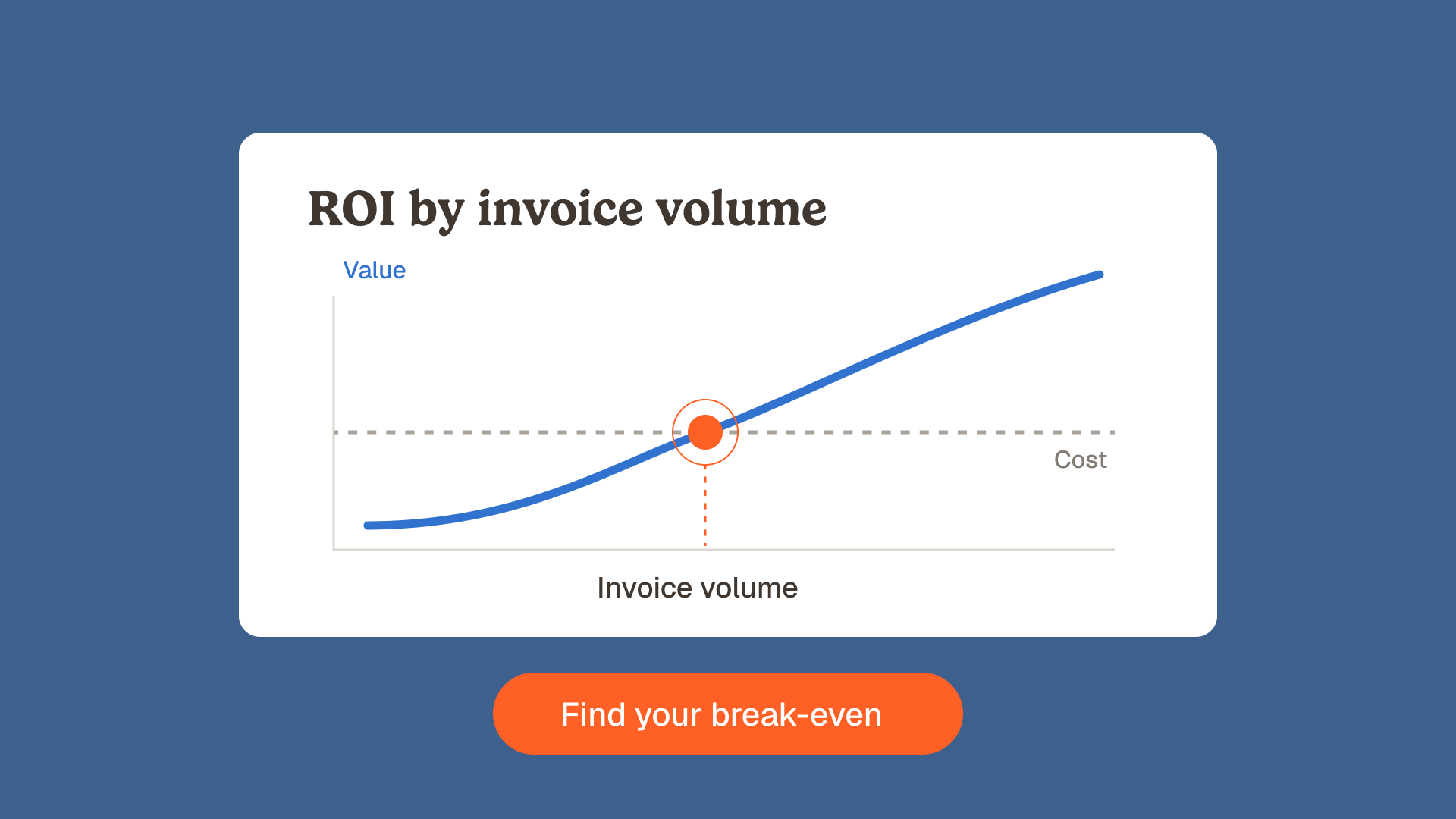
Supplier invoice validation software earns its cost through two distinct financial mechanisms: preventing overpayments and avoiding fraud.
On the overpayment side, the math is direct. A company processing 500 supplier invoices per month at an average value of €2,500 carries €1.25M in monthly supplier spend. A 1% systematic billing drift , well within observed industry ranges, represents €12,500 per month, or €150,000 annually, in undetected overpayments. At a 2% drift rate, the figure doubles.
On the fraud side, the calculus is more episodic but more severe. The average payment fraud incident costs between €15,000 and €50,000, not including legal costs, recovery time, and reputational impact with the affected supplier. A single prevented incident typically covers the annual cost of a validation platform several times over.
The payback period for most Phacet deployments is under four months. For the typical growth-stage company with €10M–€50M in annual supplier spend, the ROI calculation rarely requires complex modeling, it requires a honest count of how many invoices currently go unvalidated before payment.
Explore Phacet's pricing to understand the cost structure relative to your invoice volumes.
FAQ
What is supplier invoice validation software?
Supplier invoice validation software is a system that checks incoming supplier invoices against business rules, contract data, purchase orders, and delivery records before those invoices enter the ERP or reach payment approval. It replaces manual spot-checking and sampling with systematic, automated coverage of 100% of documents.
How does supplier invoice validation prevent overpayments?
Overpayments typically result from invoiced prices exceeding negotiated rates, duplicate invoices being processed twice, quantity variances going unnoticed, and fraudulent banking detail changes redirecting payments. Validation software applies automated checks for each of these failure modes on every invoice, surfacing discrepancies before payment is released rather than discovering them during post-payment audits.
What's the difference between invoice validation and invoice processing?
Invoice processing covers the operational workflow: receiving, digitizing, coding, and routing invoices for payment. Invoice validation covers the control layer: verifying that what is being paid is accurate, authorized, and compliant with negotiated terms. Most invoice processing tools do not include meaningful validation logic. Phacet focuses specifically on the validation layer, acting as the control checkpoint that sits upstream of both the ERP and the payment approval workflow.
Can supplier invoice validation software integrate with existing ERPs?
Yes. Phacet routes validated invoices directly to compatible ERPs, including Pennylane, Sage, and Odoo, with pre-filled, validated data. The platform sits upstream of the ERP rather than replacing it: the ERP continues to manage accounting and payment workflows, but it receives only clean, validated input from Phacet.
How long does it take to configure supplier invoice validation software?
Most Phacet deployments reach full operational validation within 2–4 weeks. The initial configuration covers supplier catalog imports, contract rule setup, entity routing logic, and approval threshold definitions. Validation accuracy exceeds 95% after approximately two weeks of model calibration against real invoice data.
Is 100% invoice validation achievable, or does some sampling remain necessary?
100% validation is achievable and is the standard outcome with automated software. Sampling is a manual workaround adopted when review capacity is constrained, not a deliberate control strategy. With automated validation, every invoice passes through the same set of checks, every cycle. Human review applies only to the sub-5% of documents that carry flags requiring judgment.
How does invoice validation software handle multi-entity environments?
Multi-entity validation includes entity assignment verification, confirming that each invoice is routed to the correct legal entity, alongside standard price and quality checks. In group structures with holding companies and subsidiaries, or multi-brand operations across shared supplier bases, entity routing errors are a significant source of cost misallocation and consolidation difficulty. Phacet's validation layer applies entity-specific rules automatically and logs all routing decisions in the audit trail.
What happens when the validation system flags an invoice incorrectly?
False positives, invoices flagged as problematic that are actually clean, are part of any automated system's initial calibration period. Phacet's exception review interface shows the specific rule that triggered the flag alongside the relevant reference data, so reviewers can resolve cases quickly. Reviewer decisions feed back into the model, reducing false positive rates over time. After a standard calibration period, false positive rates fall below 5% of flagged documents.
Validation belongs before the payment, not after
Every supplier invoice that reaches payment approval without being validated represents a decision made without full information. Sometimes that decision is correct by chance. Sometimes it isn't, and the cost of finding out afterward is always higher than the cost of checking beforehand.
Supplier invoice validation software makes the check systematic. Not sampled. Not manual. Not dependent on the availability and attention of individual team members at a busy month-end. Systematic, running on every document, every time, before any payment commitment is made.
That is the shift Phacet's clients have made: from validating what they could find time for, to validating everything before it has a chance to become a problem. Book a demo to see how the validation layer works with your invoice volumes and supplier structure.
Latest Resources
Unlock your AI potential
Go further with your financial workflows — with AI built around your needs.