Consistent AI data labelling for financial decisions
Published on :
December 29, 2025

Nicolas Marchais is co-founder and CEO of Phacet. After seven years at Spendesk, he built Phacet as the agentic layer that orchestrates across ERP, banking and email systems. Reliable, auditable, cross-system, what he calls a Finance Workforce.

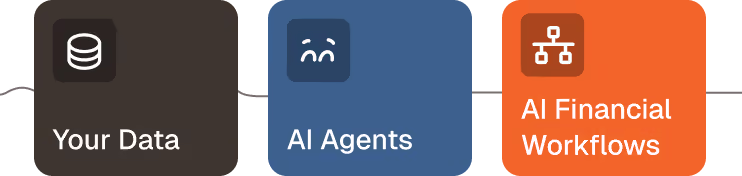
The key takeaway: precise data labelling is the foundation of trustworthy financial AI. It drastically reduces manual errors, ensures regulatory compliance, and powers accurate cash flow predictions. This immediate impact transforms raw data into a strategic asset, enabling finance teams to make smarter decisions and focus on high-value strategic initiatives. Centralizing and automating these processes drives operational excellence and mitigates financial risks effectively.
Financial institutions face costly errors and compliance risks when AI models are trained on poorly labeled data, resulting in missed fraud cases, inaccurate risk assessments, and flawed strategic decisions. Without precise labeling, even the most advanced AI systems struggle to interpret complex financial transactions correctly, exposing organizations to severe financial losses and regulatory penalties. This article explores how AI data labelling finance transforms chaotic raw data into structured, trustworthy insights. Discover how expert-led labeling ensures accurate fraud detection, seamless compliance, and operational efficiency, turning data quality into a strategic asset that drives measurable business growth.
- Key applications: where AI data labelling drives financial operations
- Why financial domain expertise is non-negotiable for data labelling
- Beyond text: labelling complex structured and time-series data
- Ensuring data quality, security, and auditability
- From cost center to strategic asset: the ROI of precise data labelling
Why high-quality data is the bedrock of financial AI?
What if your AI-driven finance operations are built on flawed data? The cost is staggering. Financial institutions lose $15M annually from poor data quality. 66% of banks struggle with data integrity issues like incomplete transaction flows and missing entries. This isn't just a technical challenge, it directly affects your profitability, strategic decisions, and regulatory standing.
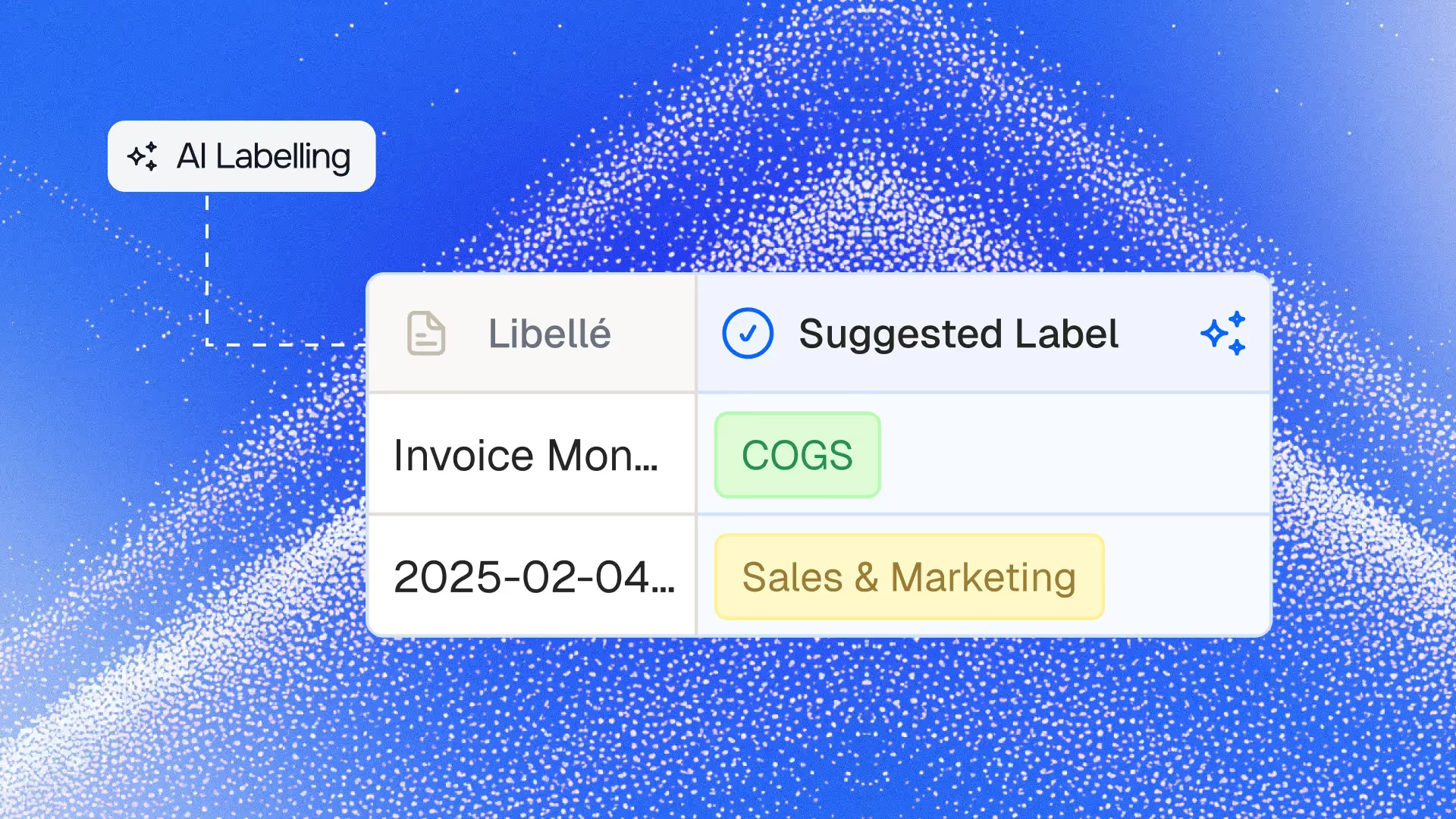
Accurate data labeling is the foundation of reliable AI. It transforms raw financial data into structured, trustworthy inputs for machine learning models. Without precise labels, fraud detection systems often fail to identify threats. Risk models generate incorrect predictions. Compliance risks escalate. Trust in automated processes evaporates, leading to costly errors and regulatory penalties.
Phacet specializes in structured financial data workflows. We ensure consistent labeling across invoices, reports, and transaction records. Our AI training processes are tailored to finance-specific requirements. This precision drives accurate fraud detection, robust risk management, and audit-ready automation. Every label aligns with industry standards for maximum reliability and compliance.
Inconsistent data labeling leads to severe consequences. Misclassified transactions trigger regulatory fines and missed opportunities. Incorrect risk assessments result in poor investment choices. These errors cripple cash flow and damage reputations. Phacet’s validation eliminates risks. We build data foundations that support trustworthy, compliant automation.
Trustworthy AI outcomes start with clean, accurately labeled data. Precise labeling minimizes errors, ensures regulatory compliance, and builds confidence in automated decisions. It’s not merely about efficiency, it’s about safeguarding your financial future. Invest in data quality today to secure tomorrow's stability.
Key applications: where AI data labelling drives financial operations
Accurate data labeling is the bedrock of reliable AI in finance. Without it, automation yields costly errors and compliance risks. CFOs depend on precise tags for trustworthy outcomes. Phacet’s expertise ensures labels capture accounting standards, tax rules, and transaction nuances. This precision supports audit trails and regulatory reporting, driving strategic financial decisions with confidence. Phacet’s AI workflows are optimized for structured financial data, ensuring compliance and audit readiness.
Labeled transactions train models to detect anomalies in real-time. Phacet's framework identifies irregular payment volumes or vendor changes missed by traditional methods. For example, cross-border currency mismatches are flagged instantly. AI spots subtle patterns humans miss, reducing financial crime risks. Duplicate payments and unusual activity are flagged early to prevent fraud, enabling faster threat response and asset protection.
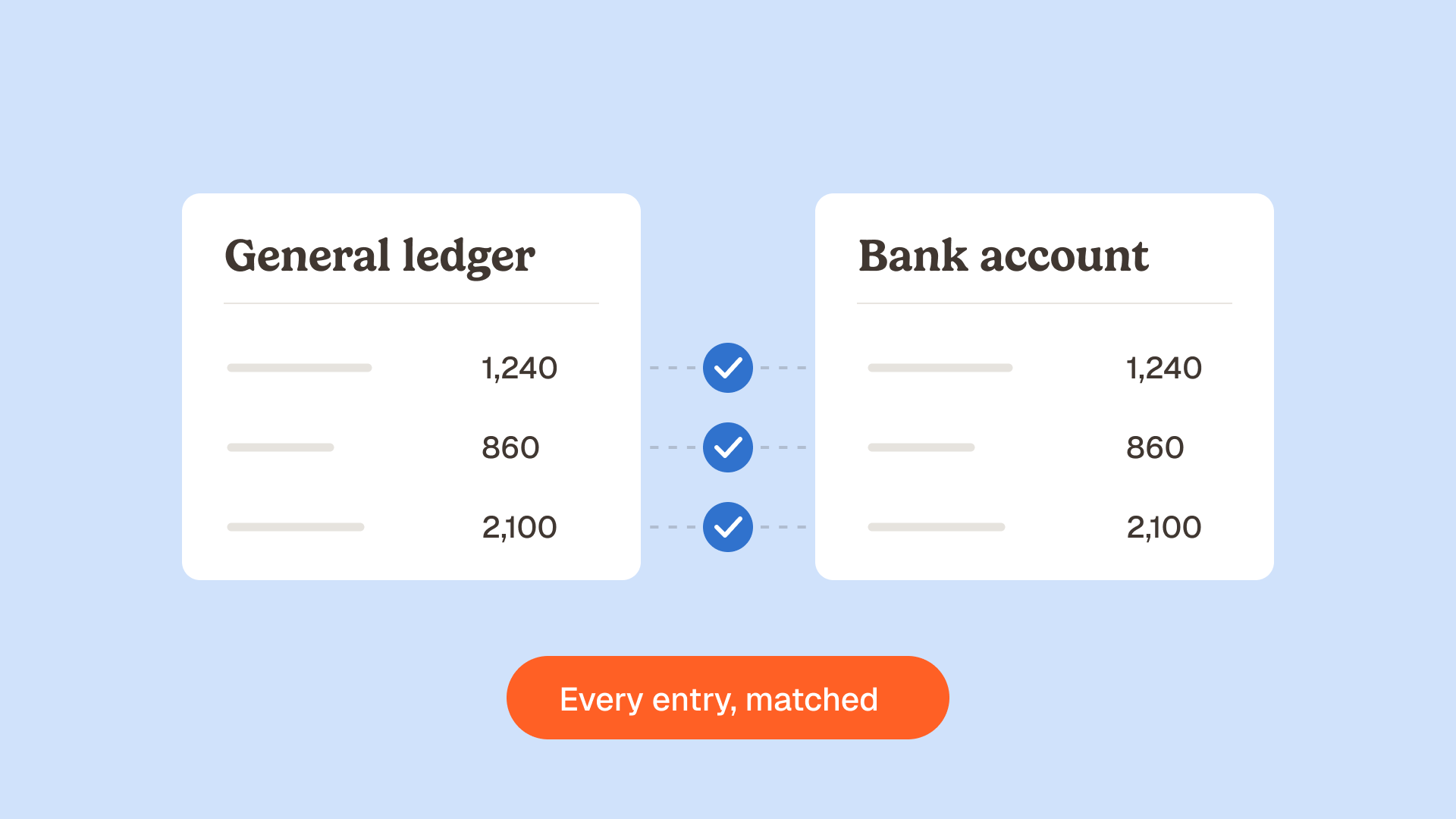
Accurate invoice and contract labeling streamlines 3-way matching for purchase orders, receipts, and invoices. This precision is critical for automated bank reconciliation, where minor errors cause costly delays. Phacet’s standardized process eliminates manual errors, enabling ERP integration and saving 10-15 hours weekly.
Cash flow categorization builds reliable forecasts. Tagged salaries, rent, and client payments prevent 'garbage in, garbage out' scenarios. Granular labels track seasonal trends and unexpected outflows, enabling real-time budget adjustments. This precision empowers teams to anticipate cash shortages before they occur, ensuring liquidity management stays proactive.
Regulatory compliance relies on structured data labeling to flag high-risk entities and avoid penalties. Labeled PEP data significantly reduces false positives, allowing compliance teams to focus on genuine threats. KYC/AML labeling identifies beneficial ownership structures, ensuring adherence to global standards like FATF guidelines and turning compliance into a competitive advantage.
- Fraud detection: detect fraudulent patterns in real-time to prevent financial losses and ensure regulatory adherence.
- Document processing: automate invoice and contract data extraction for seamless ERP integration and faster reconciliation.
- Cash flow analysis: categorize cash movements with granular tags for accurate treasury forecasting and liquidity management.
- Regulatory compliance (KYC/AML): classify customer data to meet global anti-money laundering standards and avoid penalties.
Why financial domain expertise is non-negotiable for data labelling?
Labeling images like cats or dogs is simple. Financial data involves complex jargon and regulatory nuances. For example, 'SWP' on a bank statement must be correctly labeled as 'Salary Wage Payment' for accurate expense tracking. A generalist might miss this detail, leading to flawed analysis. Without domain expertise, such errors are inevitable.
Misclassified transactions risk compliance breaches and inaccurate financial reports. Errors in data labeling cause AI models to produce unreliable predictions. CFOs face costly mistakes and regulatory penalties due to poor data quality. Precision is critical for trust in automation. Every label must reflect true financial context.
Phacet’s human-in-the-loop approach integrates finance experts into the labeling process. Specialists validate each data point, ensuring alignment with industry standards. This creates high-quality training datasets that accurately reflect real-world finance operations. Quality begins with domain expertise. Our process minimizes errors from the start.
Consider KYC compliance or PCI DSS requirements. Experts correctly label sensitive data like credit card numbers or transaction types. This prevents breaches and avoids regulatory fines. Proper classification is essential for secure and compliant financial operations. It’s a cornerstone of robust data governance.
AI models cannot interpret financial context without human guidance. They depend on precise labels to learn effectively. Experts bridge the gap between raw data and actionable insights. This ensures models handle complex scenarios accurately. Without human oversight, AI risks flawed decisions.
Consistent labeling underpins robust automation and auditability. It ensures decisions are based on reliable data. For finance teams, this means trustworthy outcomes and improved operational efficiency. Phacet’s expertise makes this possible. Our focus on structured financial data ensures reliability.
In finance, even minor labeling errors can have major consequences. A misplaced label in transaction data might trigger false fraud alerts or missed opportunities. Expert annotators catch these nuances, ensuring AI systems operate with precision. This is why domain expertise is non-negotiable.
Beyond text: labelling complex structured and time-series data
Finance teams often overlook how data labelling impacts AI reliability. Accurate labels for time-series and structured data are critical for precision and compliance. Poor labelling leads to flawed models that miss fraud or trigger false alarms. This isn't theoretical, it's a daily risk for finance leaders managing billions in assets. Without proper labelling, AI systems make costly mistakes in real-time markets, such as erroneous risk assessments in high-frequency trading.
Traditional labelling methods fail with complex financial data. The Triple-Barrier Method solves this. It uses three dynamic barriers: time limits, take-profit levels, and stop-loss thresholds. For example, a trade may hit a stop-loss before expiry, changing its label from neutral to loss. This captures real-world trading dynamics better than fixed-time approaches. It ensures labels reflect actual trade outcomes, not arbitrary time slices.
Inaccurate labels cause costly errors. Compliance teams waste time on false positives. Missed fraud risks lead to regulatory penalties and reputational damage. With 80% of AI project failures stemming from poor data quality, precise labelling is critical. Top financial institutions rely on precise labelling to train robust AI models. Phacet specializes in structured financial data workflows. Our consistent labels ensure auditability and trustworthy outcomes for every transaction. This is non-negotiable for regulatory compliance and operational integrity.
With Phacet, finance teams achieve precision. Automation drastically reduces manual errors. Decision-making becomes data-driven and reliable. Compliance is effortless. Audit trails stay clear. This is the foundation for scalable, trustworthy AI in finance. No guesswork, just results. CFOs gain confidence in AI-driven strategies that meet strict compliance standards while maximizing returns.
Ensuring data quality, security, and auditability
Finance leaders question AI's handling of sensitive data. GDPR compliance and robust security are non-negotiable; without protocols, breaches risk penalties and reputational damage.
High-quality data ensures compliance with regulations like GDPR and Solvency II. It supports accurate financial reporting and risk management. Poor data quality can result in regulatory fines and strategic missteps.
Accurate data labeling isn't just about precision. Consistency across annotators is equally vital. Clear guidelines ensure every transaction is classified the same way, every time. This consistency underpins reliable AI automation and reduces operational risks.
- Clear Guidelines: establish a single source of truth for data categorization.
- Quality Assurance (QA): implement review cycles to catch and correct labeling errors.
- Security Protocols: ensure sensitive financial data is handled in a compliant and secure environment.
- Feedback Loops: create workflows to continuously improve model accuracy based on new information.
Traceable labeling processes are essential for audits. Managers must understand why transactions are classified a certain way. This transparency ensures compliance and builds stakeholder confidence.
Clear guidelines eliminate ambiguity in transaction categorization. This is essential for accurate financial reporting and compliance. Without them, inconsistencies can lead to costly errors.
Quality assurance cycles catch labeling mistakes early. Regular reviews ensure data remains accurate and reliable. This proactive approach minimizes audit risks and rework.
Security protocols protect against breaches and ensure GDPR compliance. Encryption and strict access controls safeguard sensitive information.
Feedback loops enable continuous model improvement. They adapt to new regulations and market conditions. Real-time adjustments prevent costly misclassifications.
For finance leaders, understanding how to secure sensitive information is not just a technical detail; it's a core business requirement.
View data labeling as a strategic investment. It builds trust in AI-driven decisions and ensures regulatory compliance. This approach transforms costs into long-term value.
From cost center to strategic asset: the ROI of precise data labelling
Accurate data labeling turns finance into a strategic asset. Poorly labeled data causes flawed AI models, compliance issues, and costly errors. Prioritizing precision avoids risks. Inconsistent labels lead to fraud detection failures, especially in high-volume transaction environments, costing millions.
Inconsistent transaction labels trigger false fraud alerts, inflating manual review time and regulatory penalties. Reliable labeling ensures precise anomaly detection, conserving resources. BCBS 239 mandates precise data governance for audit readiness in financial institutions.
Poor data labeling creates critical reporting gaps, leading to flawed strategic decisions and increased operational vulnerabilities. Consistent labeling ensures precise financial statements and transparent operations, enhancing stakeholder confidence.
Consistent data labeling strengthens compliance and auditability across all finance workflows. Inaccurate labels risk GDPR violations and regulatory exam failures. Precise metadata enables end-to-end traceability from source to decision point, ensuring full transparency for auditors.
Precision in data labeling enhances real-time financial decision-making. Accurate labels improve forecasting accuracy and credit risk assessments. Consistent datasets boost AI model reliability, driving better investment choices and proactive risk mitigation.
- Drastically reduced manual errors and processing time.
- Enhanced decision-making based on reliable, consistent data.
- Increased operational efficiency through trustworthy automation.
- Strengthened compliance and auditability across all financial workflows.
Phacet specializes in structured financial data workflows, particularly in accounting and operations. Our platform ensures consistent labeling for robust AI training. Centralizing and automating these processes delivers immediate reliability and audit-ready outcomes.
Leveraging Phacet’s dedicated AI agent platform for finance & admin teams turns data labeling into a manageable strategic advantage, streamlining workflows and ensuring robust auditability across all financial operations.
Precision data labelling transforms finance from a cost center to a strategic asset. Drastically reduces errors, enhances decision-making, and ensures compliance. Investing now secures future growth.
FAQ
What is AI data labeling in finance?
AI data labeling in finance is the process of tagging and categorizing raw financial data, like transactions, invoices, and market reports, to make it usable for machine learning models. Think of it as teaching AI to understand the context of your numbers. For example, labeling a transaction as "fraudulent" or "legitimate" helps the system recognize patterns that humans might overlook. As one financial analyst puts it, "Without clear labels, even the most advanced AI is just guessing." This step is foundational for building trustworthy automation that drives smarter decisions.
Why is domain expertise critical for financial data labeling?
Financial data is packed with jargon, regulatory nuances, and context-dependent meanings that generalists often miss. Take "SWP", a term that could mean "Systematic Withdrawal Plan" or "Salary Wage Payment" depending on the context. A domain expert knows exactly how to label it correctly, preventing costly mistakes. Without this expertise, models might misclassify transactions, leading to compliance issues or missed fraud risks. As a compliance officer shared, "Our team’s financial background ensures labels reflect real-world scenarios, not just textbook definitions."
How does AI data labeling improve fraud detection?
Precise labeling of transactions as "fraudulent" or "legitimate" trains AI models to spot subtle anomalies in real time. For instance, when historical data is accurately tagged, systems can identify unusual patterns, like sudden spikes in small transactions, that human auditors might miss. This isn’t just about speed; it’s about accuracy.
What makes financial data labeling more complex than general data labeling?
While general data labeling deals with images or text, financial data carries higher stakes. Regulatory requirements like GDPR and SOC 2 demand strict accuracy, and errors can lead to massive fines or reputational damage. Sensitive information, such as customer account details, must be handled securely, adding layers of complexity. Additionally, financial jargon and context-specific terms (like "CDS spread" or "AML alerts") require specialized knowledge. As one data scientist noted, "In finance, a mislabeled decimal point can cost millions. That’s why expertise isn’t optional, it’s non-negotiable."
How can financial institutions ensure data security during labeling?
Security starts with clear protocols: encrypting data both in transit and at rest, restricting access to authorized personnel, and adhering to compliance standards like SOC 2. Proper labeling guidelines also include metadata tagging for audit trails, ensuring every decision can be traced. “We don’t just label data, we safeguard it,” says a security lead. Integrated quality checks and regular audits further reinforce trust. When done right, this transforms labeling from a vulnerability into a shield against breaches.
Latest Resources
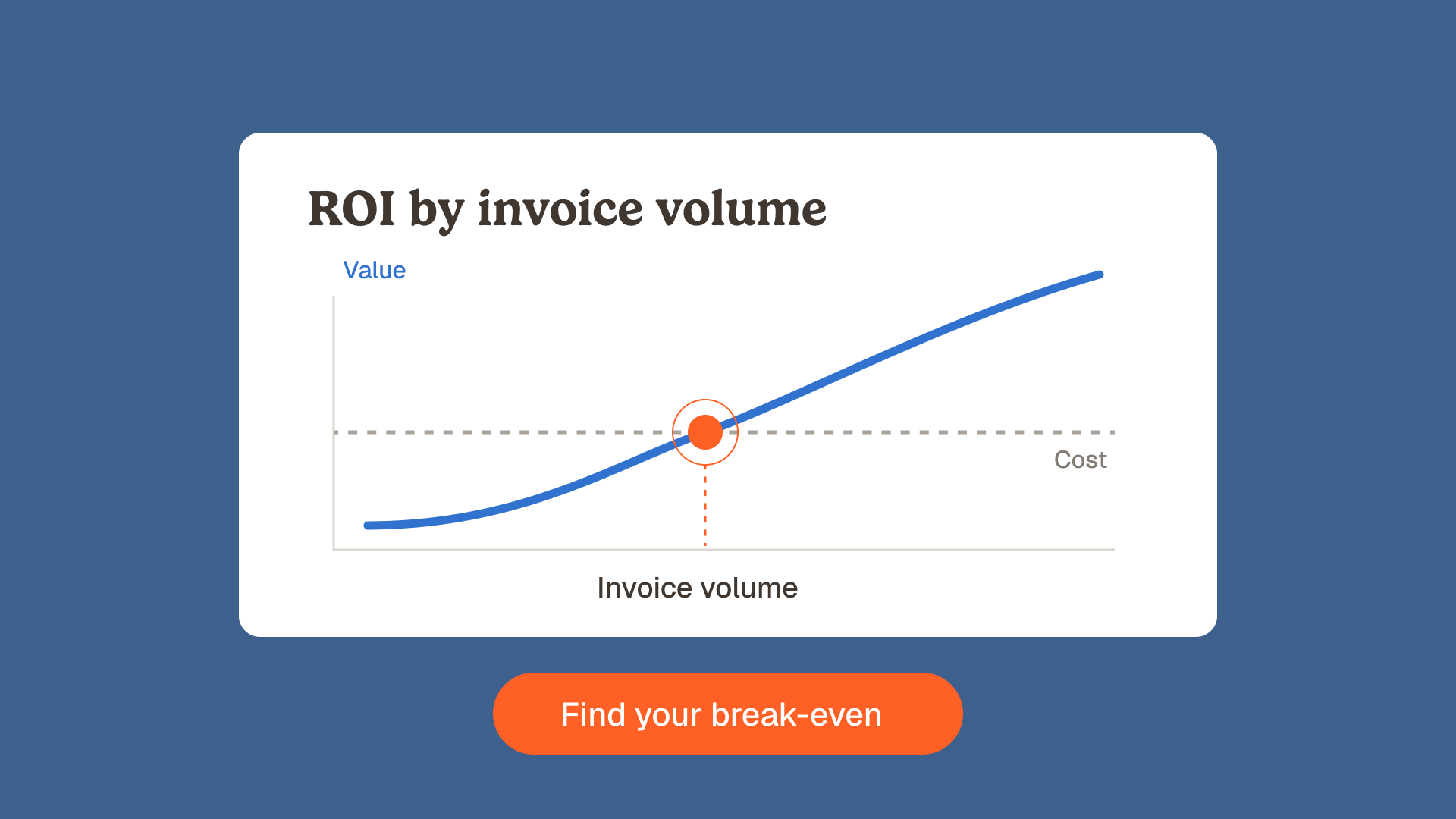
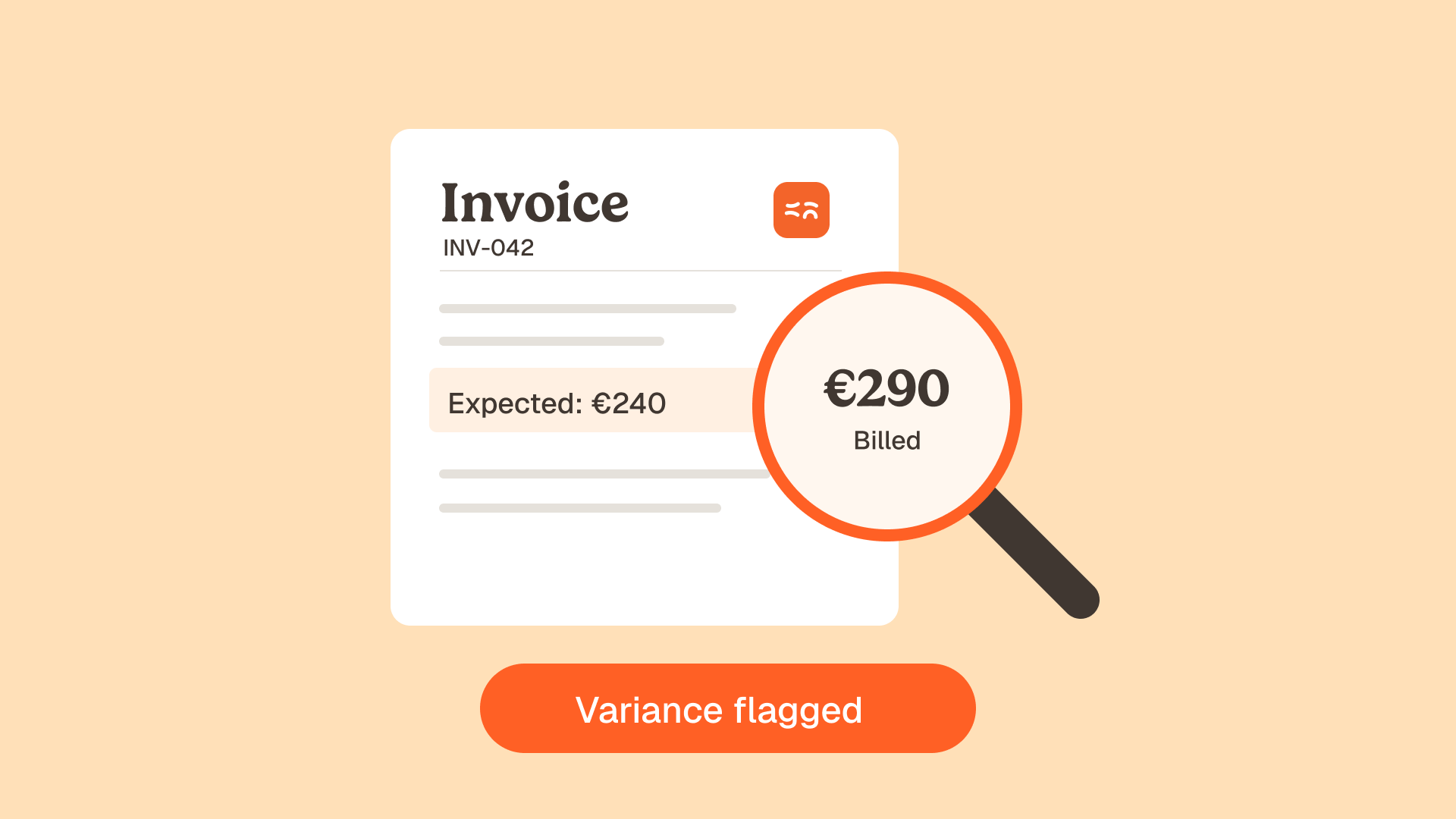
Unlock your AI potential
Go further with your financial workflows — with AI built around your needs.