AI-driven automation for end-to-end financial transparency
Published on :
December 29, 2025


Nicolas Marchais is co-founder and CEO of Phacet. After seven years at Spendesk, he built Phacet as the agentic layer that orchestrates across ERP, banking and email systems. Reliable, auditable, cross-system, what he calls a Finance Workforce.

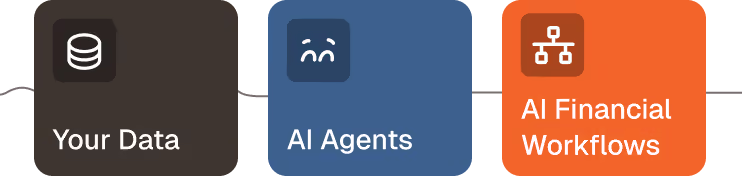
Key takeaway: financial data automation transforms finance teams into strategic advisors. By centralizing processes with AI, RPA, and cloud solutions, it drastically reduces errors (87% of CFOs prioritize this), accelerates reporting, and enhances fraud detection (63% use it for this). Real-time insights drive proactive decisions, turning finance into a true business partner.
Financial data automation transforms daily manual data processes, like invoice processing and bank reconciliations, causing costly errors and delays for finance teams worldwide. By centralizing operations and leveraging AI, RPA, and cloud computing, it drastically reduces human errors (87% of finance leaders cite cost savings as the primary benefit) and accelerates critical workflows such as accounts payable, receivables, expense management, and real-time reporting. With real-time dashboards and predictive analytics, finance shifts from a reactive cost center to a proactive strategic partner, empowering teams to focus on high-value analysis and strategic business growth initiatives.
- Unlocking efficiency: what is financial data automation?
- Core technologies powering financial data automation
- Transforming financial workflows with automation: key use cases
- The strategic benefits of financial data automation for finance teams
- Navigating the implementation of financial data automation
- The future of finance: strategic leadership through automation
Unlocking efficiency: what is financial data automation?
Defining financial data automation
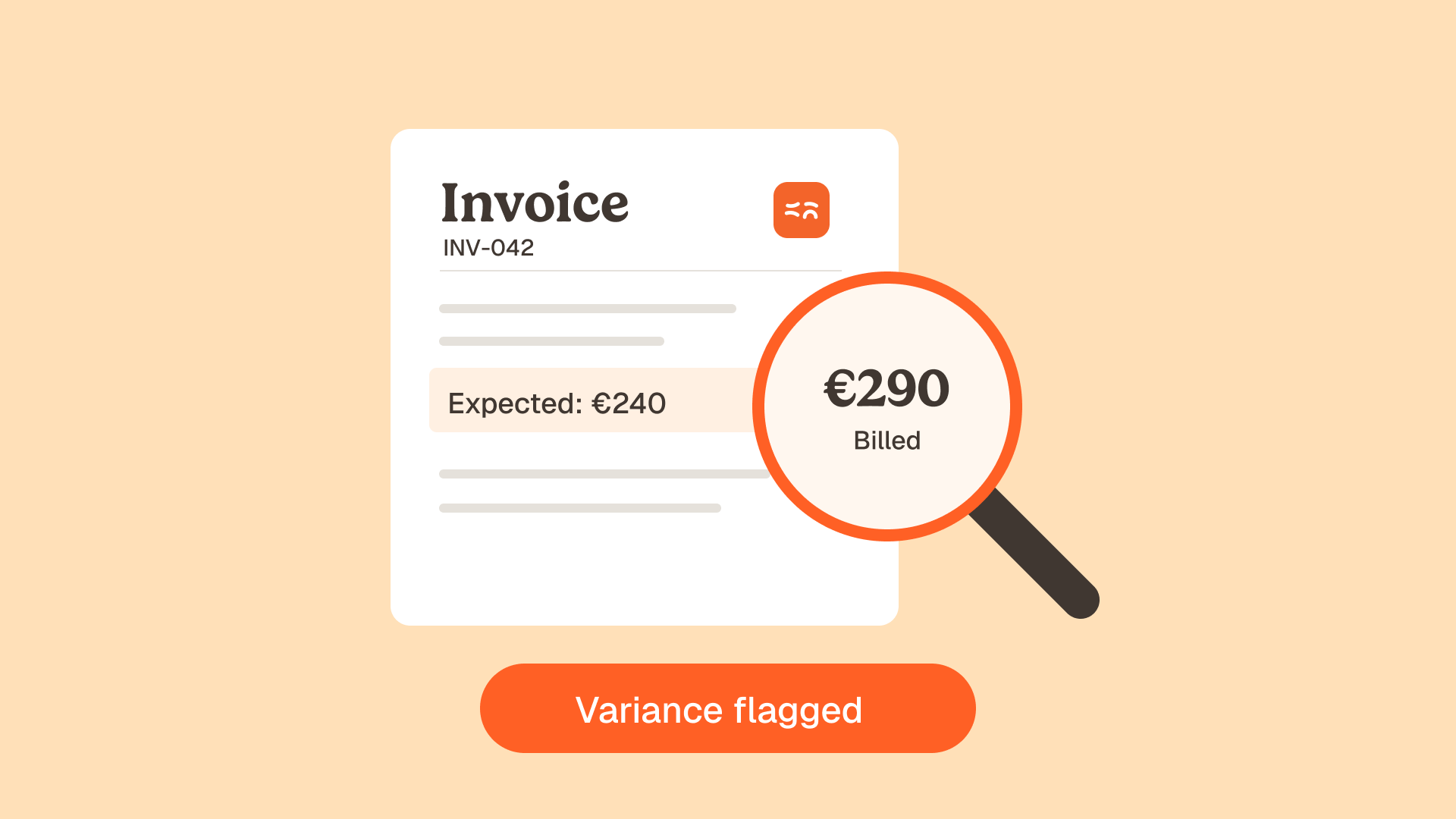
Financial data automation leverages AI and machine learning to unify disparate data sources. Phacet’s platform automatically detects mismatches across systems, ensuring end-to-end transparency. This eliminates manual reconciliation errors and accelerates financial close cycles.
The process transforms finance from reactive to proactive. By automating repetitive tasks, teams gain immediate insights for strategic decisions. Every transaction is tracked with full audit trails for compliance.
The strategic imperative for finance leaders
87% of CFOs implement automation to reduce costs and improve efficiency. Real-time data access speeds up month-end closes, freeing teams from manual work. Phacet’s solution integrates seamlessly with existing ERP systems.
Fraud detection improves by 63% through AI-driven anomaly spotting. Automated controls ensure regulatory compliance, like GDPR. Finance leaders gain confidence in data accuracy during audits.
CFOs shift focus from report generation to strategic analysis. Phacet’s AI provides predictive insights for better budgeting and risk management. This turns finance into a true business partner.
Finance teams experience higher job satisfaction as automation removes tedious tasks. Faster reimbursement processing and fewer errors boost morale. This leads to lower turnover and better talent retention.
Automated compliance checks ensure adherence to regulations like GDPR and SOX. Audit trails are generated in real-time, eliminating manual documentation. This reduces risks and avoids penalties while maintaining financial integrity.
Automation significantly accelerates financial processes, freeing teams from manual work. This allows focus on strategic initiatives like forecasting and risk management. Improved speed drives better business decisions and growth.
Core technologies powering financial data automation
Robotic Process Automation (RPA) for repetitive tasks
RPA automates invoice processing and account reconciliation, cutting time by 70% and reducing errors by 90%. Finance teams gain strategic focus, with 87% of CFOs citing cost savings. OCR-based RPA matches POs and receipts, ensuring 99% accuracy and faster approvals. For instance, it processes vendor invoices in seconds, eliminating manual data entry errors. This precision minimizes costly discrepancies in accounts payable workflows.
Artificial Intelligence (AI) and Machine Learning (ML) for intelligent automation
AI and ML process 80-90% unstructured financial data into actionable insights. NLP analyzes reports and emails; ML detects anomalies and forecasts cash flow trends. Real-time fraud detection reduces losses by 60%. ML resolves bank-statement discrepancies instantly, ensuring audit-ready transparency. ML models analyze historical data to predict cash flow shortages, enabling proactive treasury management.
- RPA automates high-volume tasks like invoice processing, freeing finance teams for strategic analysis.
- AI/ML processes unstructured data from emails, scans, and reports, detects anomalies, and unifies sources for a single source of truth.
- Cloud computing delivers scalable infrastructure for real-time analytics, handling peak loads during month-end closing.
- ERP systems centralize financial data and automate key processes like purchase-to-pay and order-to-cash.
The role of cloud computing and ERP systems
Cloud infrastructure ensures enterprise-grade security and compliance with regulations like SOX and PCI DSS. ERP systems integrate finance, procurement, and HR data, eliminating silos. Phacet’s solution cuts reconciliation time by 50%, automates audit trails, and provides CFOs with real-time insights for informed decisions. This unified approach enhances financial transparency and operational efficiency.
Transforming financial workflows with automation: key use cases
Automated reconciliation: from chaos to clarity
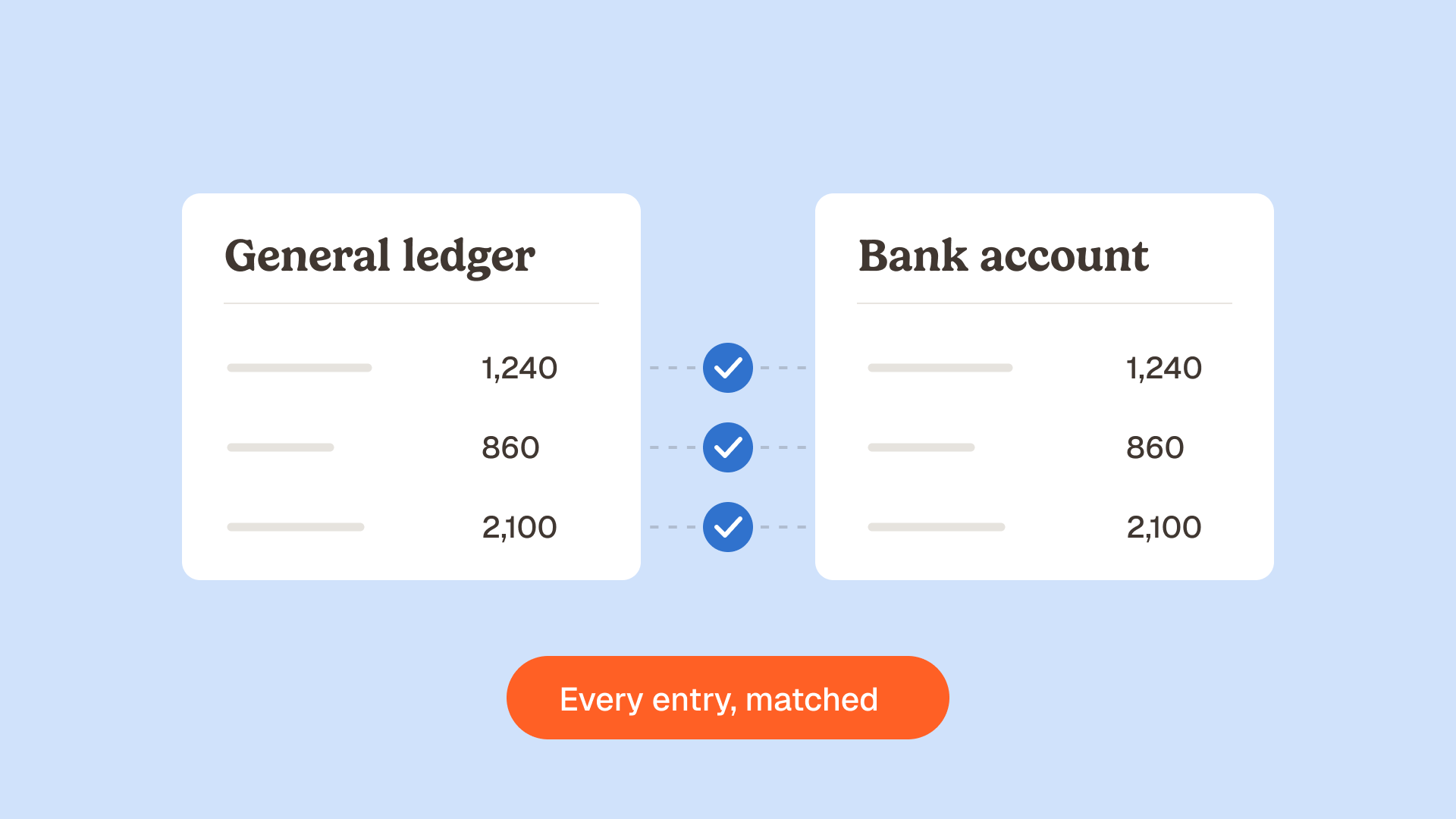
87% of CFOs adopt automation to cut costs. Phacet’s AI-driven reconciliation centralizes bank statements, ledgers, and payment systems. It detects mismatches instantly, eliminating manual errors and delays. This ensures end-to-end financial transparency and audit readiness.
Our system processes high volumes of transactions with 95% automation. It handles complex scenarios by learning from past resolutions. This continuous improvement ensures higher accuracy over time. Finance teams gain immediate visibility into cash positions.
By unifying disparate data sources, Phacet transforms reconciliation into a strategic advantage. Teams focus on analysis rather than manual checks, driving better financial outcomes. Reduced audit risks and faster closing cycles follow.
Discover our automated bank reconciliation solution and 3-way matching automation for finance teams.
Streamlining accounts payable and receivable
Accounts Payable automation uses OCR to capture invoices and match them with purchase orders. Automated workflows accelerate approvals and payments, reducing processing time by up to 70%. This ensures timely supplier payments and improved vendor relationships. Companies save 30% on AP costs with streamlined operations.
For Accounts Receivable, automated billing and payment reminders improve collections. The system processes payments faster, reducing manual effort and errors. This enhances client relationships and accelerates cash inflows by 25%.
Automating expense management and financial planning
Expense management automates receipt capture and categorization, ensuring policy compliance. It flags deviations instantly and streamlines reimbursements for employees. Real-time dashboards provide clear visibility into spending trends and budget adherence.
Financial planning aggregates real-time data for dynamic forecasting. Teams generate accurate budgets and adjust strategies quickly. This proactive approach improves business resilience and decision-making.
Predictive insights help navigate market changes effectively. Companies boost ROI through data-driven adjustments to their financial strategies.
The strategic benefits of financial data automation for finance teams
Enhancing accuracy and reducing operational costs
Automating financial processes minimizes human errors in data entry and calculations. This precision reduces costly corrections and significantly boosts operational efficiency for finance teams.
Eighty-seven percent of CFOs implement automation primarily for these cost-saving benefits. Teams save valuable hours weekly by focusing on strategic initiatives instead of repetitive tasks.
Accurate financial data ensures reliable reporting, which is critical for compliance and investor confidence. This foundation supports better forecasting and proactive planning.
- Reduced errors: minimizes manual input mistakes.
- Time and cost savings: frees teams for strategic tasks.
- Real-time visibility: consolidates data for instant reporting.
- Improved efficiency: speeds up workflows.
- Accurate reporting: delivers up-to-date insights.
Boosting strategic insights and decision-making
Beyond efficiency, automation provides unmatched visibility into financial data. Real-time dashboards enable proactive decisions and faster response times.
Finance teams shift from transactional work to strategic business partnering. They provide actionable insights that shape company strategy and drive growth.
This transformation turns finance into a true business ally. Collaboration with other departments aligns financial goals with overall business strategy.
Real-time analytics help identify opportunities and mitigate risks proactively, driving sustainable growth.
Strengthening compliance and fraud detection
Automated controls ensure regulatory compliance and flag suspicious transactions. AI analyzes massive datasets to identify fraud patterns faster than manual methods.
HSBC increased fraud detection by 2-4 times and reduced false positives by 60%. JPMorgan Chase cut false positives by 20%, while DBS Bank achieved a 90% reduction.
These advancements ensure accurate, transparent financial operations. Improved audit readiness and stakeholder trust result from enhanced data accuracy.
AI-driven reconciliation unifies disparate data sources, detecting mismatches and delivering end-to-end financial transparency.
Navigating the implementation of financial data automation
Addressing key implementation challenges
Implementing financial automation presents significant challenges. Legacy ERP systems often lack modern APIs, complicating data integration. Mismatched data sources can cause reconciliation errors, leading to compliance risks and financial inaccuracies. Staff may fear job displacement, requiring clear communication and training. Without proactive strategies, automation efforts may fail to deliver expected efficiency gains. 63% of CFOs use AI for fraud detection, showing its critical role in financial security. Addressing these issues early ensures reliable outcomes and smooth transitions. Real-time data reconciliation improves accuracy and audit readiness across finance workflows. Proper change management is key to overcoming resistance and maximizing adoption.
Best practices for a successful automation journey
Success hinges on a structured approach. Begin by assessing high-impact processes like accounts payable or bank reconciliations. Phacet’s AI-driven reconciliation unifies disparate data sources, detecting mismatches instantly. This process eliminates manual reconciliation errors and saves significant time. Continuous team training empowers employees to leverage new tools effectively. Establishing a robust compliance framework from the start ensures audit readiness. End-to-end transparency delivers accurate financial insights and supports confident decision-making. Real-time visibility reduces errors and accelerates reporting cycles, driving business agility. Our solutions ensure seamless integration with existing systems, providing a clear path to transformation. Prioritizing measurable outcomes ensures long-term success.
- Evaluate specific needs and prioritize processes for automation
- Ensure seamless integration with existing financial systems
- Invest in training for new tools and roles
- Establish robust compliance frameworks early
- Choose solutions with end-to-end transparency and audit trails
The future of finance: strategic leadership through automation
From data managers to strategic advisors
Finance teams shift from data managers to strategic advisors. Automation handles reconciliation, invoice processing, and payment matching. This reduces manual work by 80% and cuts errors dramatically. 87% of CFOs cite cost savings as a key driver.
Real-time anomaly detection identifies suspicious transactions instantly. Machine learning cuts fraud risks by 63% compared to manual checks. Accurate data ensures timely decisions and audit readiness, transforming finance into a proactive business partner.
Automated close processes speed up financial reporting. Teams no longer wait weeks for month-end closes. Real-time dashboards provide instant insights for strategic planning. This accelerates decision-making across the organization.
For accounts payable and receivable, automation streamlines workflows. Invoices are processed faster with OCR and smart routing. Payment delays decrease, improving cash flow and vendor relationships.
Driving continuous improvement and innovation
Automation isn't a one-time fix but an ongoing journey. AI systems continuously learn from data, improving financial processes daily. Organizations explore new ways to manage risks and optimize costs while staying agile.
By unifying disparate data sources, the AI agent platform for finance & admin teams detects mismatches instantly. This delivers real-time financial transparency, ensuring accurate reporting and audit-ready compliance.
Continuous improvement in FP&A enables scenario planning and predictive insights. Finance teams now focus on growth opportunities rather than manual data tasks. This strategic shift drives long-term business resilience.
Cloud-based platforms integrate seamlessly with existing ERP systems. They scale with business growth while maintaining strict data security and compliance. This infrastructure supports sustainable innovation across finance operations, ensuring long-term adaptability.
Financial data automation elevates finance teams from manual processes to strategic advisors. Centralizing data with AI ensures accuracy, speed, and real-time insights. This transformation drives innovation, enhances compliance, and turns financial data into a powerful tool for proactive business decisions and sustainable growth.
FAQ
What exactly is financial data automation?
Financial data automation uses technology like software, AI, and RPA to handle repetitive financial tasks that were once done manually. It’s about centralizing processes to reduce errors and speed up operations. As a finance manager shares, “It’s not just about saving time, it’s about transforming how we work.” By automating data entry, reconciliations, and reporting, teams can focus on strategic insights rather than busywork.
What are the three main types of financial data?
Financial data falls into three main categories: transactional data (e.g., sales, expenses), master data (e.g., vendor details, chart of accounts), and reference data (e.g., currency rates, tax codes). Together, these form the foundation for accurate reporting and analysis. As one team puts it, “Clean, categorized data is the first step to smarter decisions.”
What are the four key types of automation in finance?
The four primary types include Robotic Process Automation (RPA) for rule-based tasks, Intelligent Automation combining AI and RPA, Business Process Automation (BPA) for end-to-end workflows, and Cognitive Automation for complex decision-making. Each plays a unique role in transforming financial operations.
“It’s not about replacing people, it’s about empowering them,” says a process optimization specialist.
Can artificial intelligence fully automate financial processes?
Yes, AI can automate most routine financial tasks, but human oversight remains critical for complex decisions and strategy. While AI handles data entry, reconciliation, and anomaly detection, finance professionals focus on interpreting results and guiding business direction. As one CFO notes, “AI is a powerful assistant, it doesn’t replace the human touch, but it amplifies it.”
Latest Resources
Unlock your AI potential
Go further with your financial workflows — with AI built around your needs.