AI automation ROI: from cost center to value driver
Published on :
January 5, 2026

Nicolas Marchais is co-founder and CEO of Phacet. After seven years at Spendesk, he built Phacet as the agentic layer that orchestrates across ERP, banking and email systems. Reliable, auditable, cross-system, what he calls a Finance Workforce.

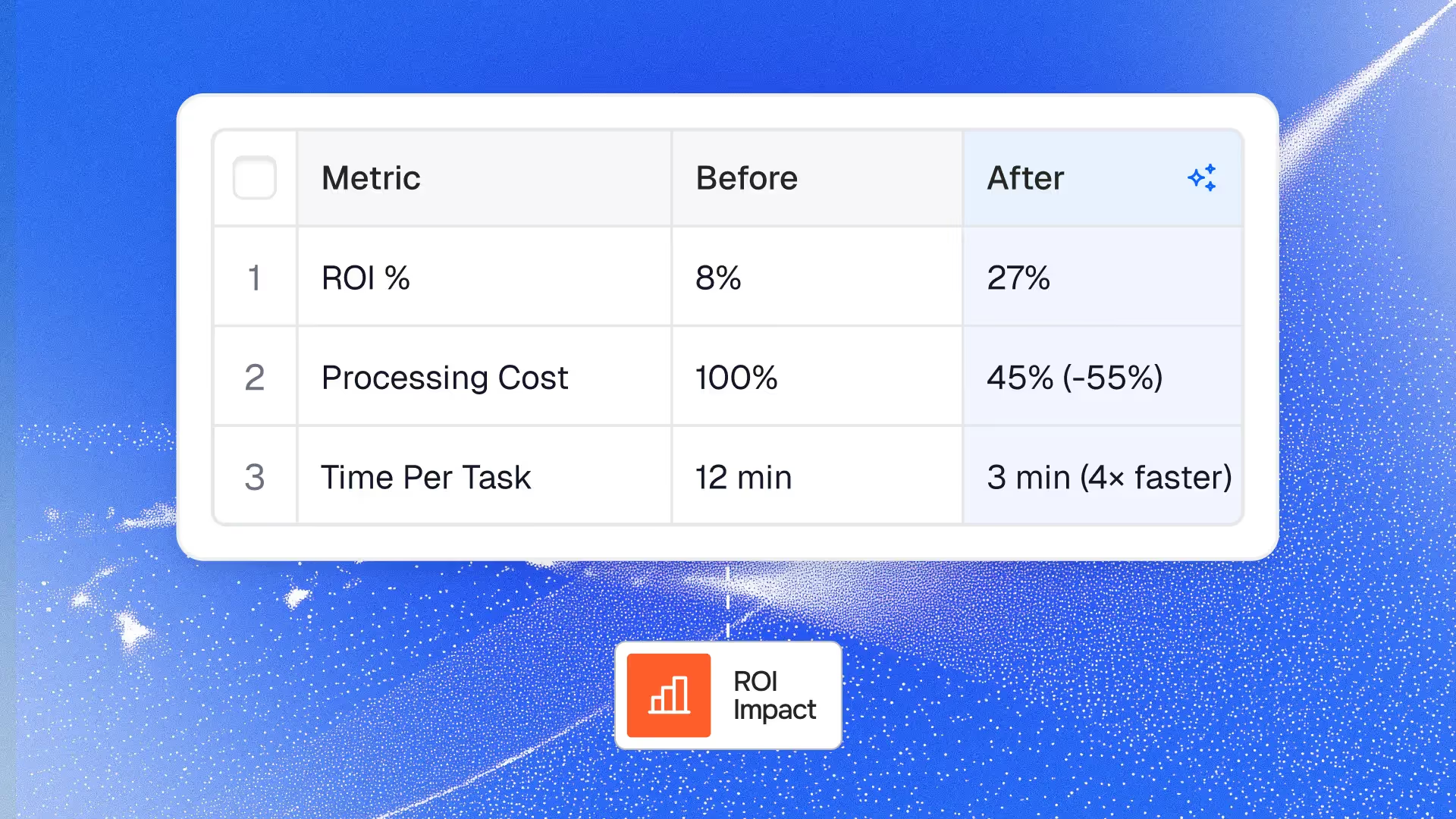
The key takeaway: AI automation ROI in finance transcends traditional cost savings, delivering strategic value through measurable outcomes. Operational gains, up to 1.5% margin improvement, drastically reduced processing times, and error reduction transform finance into a growth engine. A 90-day pilot validates ROI quickly, ensuring alignment with business goals and team productivity.
Finance leaders struggle to prove AI automation's real value because traditional ROI calculations focus only on cost savings, missing strategic benefits like improved decision-making and higher retention rates. The true ai automation roi is a holistic measure of how AI transforms finance operations, driving productivity, revenue growth, and team satisfaction. This article shows how to measure ROI with real examples: 1.5% margin gains, 50% faster month-end closes, and 95% fewer errors. Learn to turn finance from a cost center into a strategic growth driver by quantifying both financial metrics and human-centric impacts for sustainable success.
- From cost center to value driver: calculating the real ROI of AI automation in finance
- The core metrics: how to quantify your AI automation ROI
- Building a bulletproof business case for AI automation
- The leadership challenge: aligning the C-Suite for exponential ROI
- Achieving a measurable and meaningful AI automation ROI
From cost center to value driver: calculating the real ROI of AI automation in finance
CFOs face pressure to balance cost control and growth. AI ROI remains unclear; 84% of adopters report ROI but median is 10%, below target. MIT notes only 5% of GenAI pilots scale sustainably. Traditional ROI focuses on cost savings, ignoring strategic benefits like 15% higher revenue forecasting accuracy. This creates uncertainty in justifying tech investments. Finance leaders need a clear ROI framework beyond spreadsheets.
Standard ROI formulas are insufficient. They focus on FTE cuts, missing broader impacts. AI reduces budget variance analysis by 30%, saving 15 hours weekly per analyst and improving accuracy. Biotech firms recover 4% contract leakage via AI checks. Risk mitigation and faster closing cycles are overlooked. Traditional models underestimate AI’s potential. Teams must measure all value drivers to justify AI investments.
Our framework links AI automation to tangible outcomes: 1.5% margin gains, faster closes, reduced stress. Track time saved on manual tasks for strategic focus. European financial institutions cut indirect costs by 10% on multi-billion euro spends, freeing capital for growth. Automated reconciliations reduce processing time from 10 days to 3 days, enabling real-time insights. Finance teams save 20-30% time on data processing, shifting to strategic advisory roles and increasing high-impact projects by 25%. This approach delivers margin improvements through smarter analytics.
Beyond the balance sheet: defining the full spectrum of AI value
From cost savings to strategic impact
Cost savings are just the tip of the iceberg. AI's true value lies in transforming finance processes from reactive to strategic. Manual workflows become automated, enabling real-time insights and proactive decisions. This shift drives long-term growth beyond immediate savings.
Automating repetitive tasks frees finance teams to focus on higher-value activities like strategic planning and analysis. This reallocation of human capital directly impacts business outcomes. Teams now drive innovation instead of drowning in spreadsheets. The result is smarter decisions and stronger financial health across the organization.
The tangible and intangible benefits for finance teams
Finance teams see clear quantitative benefits from AI automation. These include faster processes, better accuracy, and improved compliance. Each area contributes significantly to overall ROI. Real-world examples prove these gains are achievable across industries.
- Productivity & quality: closing cycles reduced by 50% or more, invoices processed 70% faster, manual errors drastically reduced. Optimus Tech confirms 32% faster closing times, ensuring accurate financial reporting and timely decision-making.
- Revenue & conversion: cleaner data enables smarter decisions, driving up to 1.5% margin improvement. Real-time insights improve cash flow management and forecasting accuracy, leading to better resource allocation.
- Risk & compliance: fraud detection and audit trails prevent costly errors and avoid regulatory fines. ApprovalMax ensures seamless compliance through automated workflows, reducing audit preparation time by 40%.
Beyond numbers, AI reduces stress during month-end closes. Teams enjoy better work-life balance and higher job satisfaction. This leads to improved talent retention and stronger team morale. 89% of finance professionals report increased satisfaction with AI automation, boosting retention rates.
This shift is a core part of how AI is redefining the value of back-office work, turning routine tasks into strategic assets. Phacet delivers measurable ROI through precise automation and human-centric solutions that empower finance teams to focus on what truly matters.
The core metrics: how to quantify your AI automation ROI
Measuring operational efficiency gains
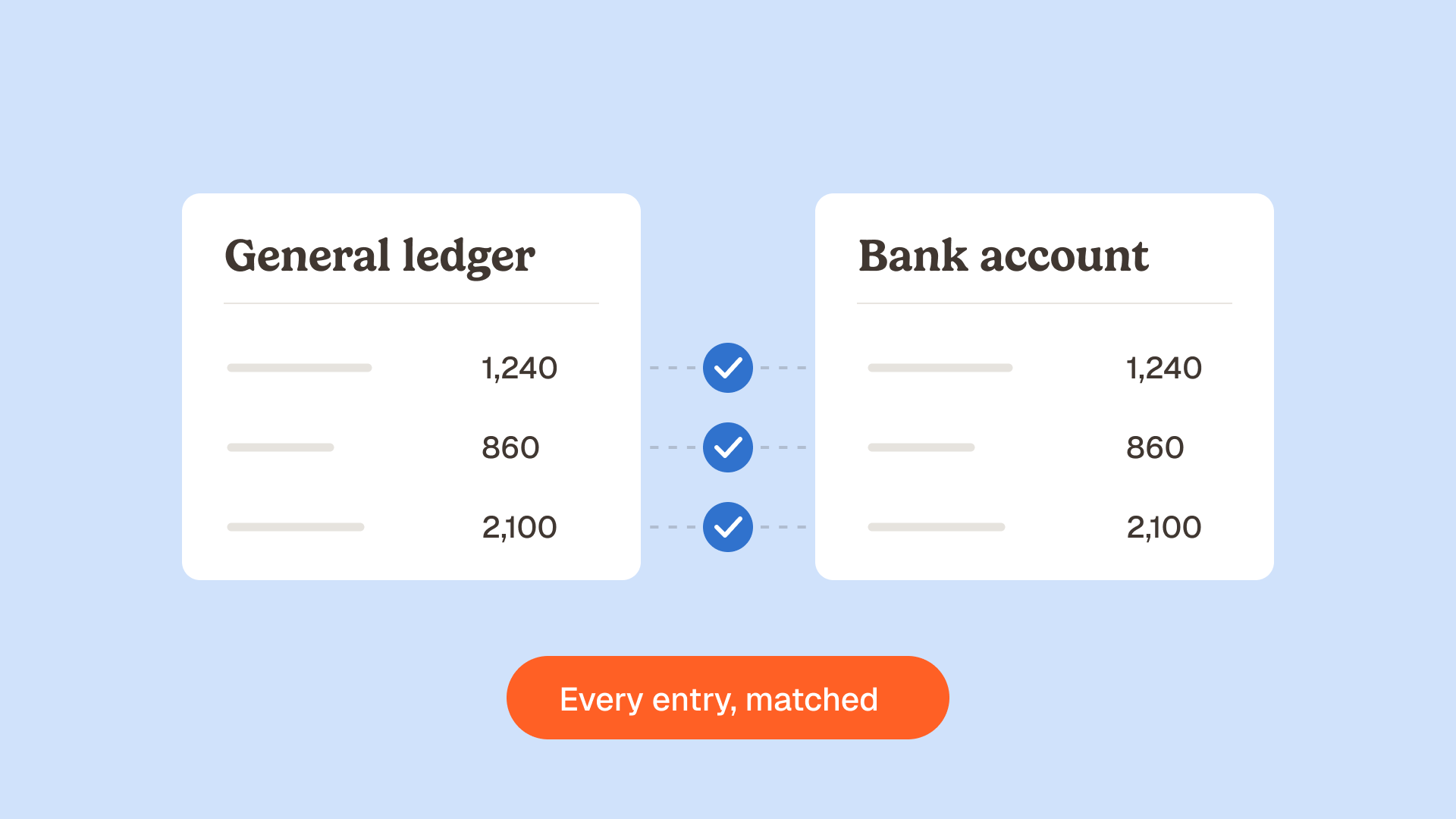
Finance teams measure gains by comparing manual versus automated task times. Automating bank reconciliations cuts processing time by 70%, freeing staff for strategic work. For example, a mid-sized manufacturing company reduced monthly reconciliation time from 40 to 12 hours, enabling finance staff to focus on variance analysis. 58% of finance functions use AI in 2024 (up from 37% in 2023), speeding up closing cycles. Automating AP processes reduces invoice time to 5 minutes each, saving 1,000+ hours yearly.
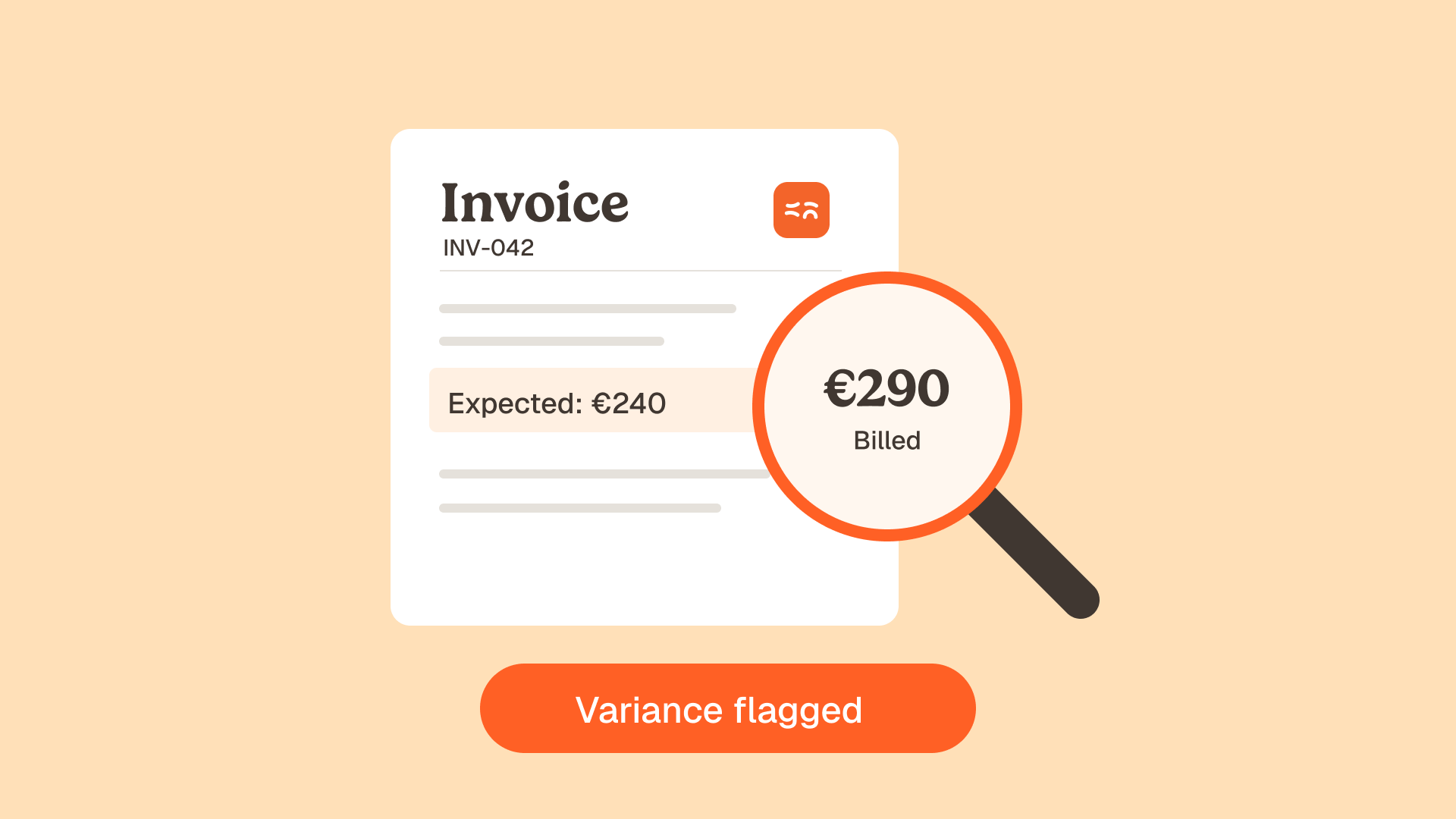
Phacet cuts invoice validation by 65% per transaction, saving 15 hours per closing cycle. Eliminating manual errors ensures accurate data, closing books in 6 days vs. 10. This acceleration delivers financial reports 4 days faster, reducing late payment penalties and improving cash flow. Reliable data drives better strategic decisions across the organization.
3-way matching tasks are time-consuming but fully automatable. Clients reduce manual review by 90% with 95% accuracy matching POs, receipts, and invoices. One client using Phacet's solution cut manual errors by 95%, saving 20 hours weekly on corrections and avoiding $10K in penalties annually. Learn more about this proven ROI use case.
Tracking direct financial impact
Each saved hour reduces costs. A five-person team saving 10 hours weekly at $50/hour saves $26K yearly. These savings directly translate to a 1.5% margin improvement for companies, as per Phacet client data. Accurate forecasting reduces budget overruns by 30%. 74% of AI-using teams see expected ROI; 57% exceed it, justifying investments.
Automating approvals prevents duplicate payments, saving one client $50K. A retail client saved $50K in duplicate payments by automating approval workflows, while improved forecasting accuracy boosted cash flow management by 25%. AI cuts forecast errors by 20-50%, reducing variance from ±15% to ±5% to avoid costly overruns and optimize resource allocation.
Assessing employee and team impact
Surveys show 30% lower stress post-automation. Teams report 25% higher engagement and 85% feel valued in strategic roles, boosting productivity. A global firm saw a 35% increase in job satisfaction scores, with employees reporting better work-life balance due to reduced repetitive tasks.
AI automation boosts engagement and retention. Turnover drops 15-20%, saving recruitment costs. For example, a finance team with 50 staff saw turnover fall from 18% to 14% in one year, saving $150K in hiring and training expenses. This efficiency-satisfaction cycle drives long-term business success.
Building a bulletproof business case for AI automation
Step 1: frame the use case and define success KPIs
Start with high-impact, low-complexity use cases. Focus on 2-3 areas like cash reconciliation, AP processing, or expense reporting. Automating these reduces manual effort quickly while minimizing implementation risk. This targeted approach ensures quick wins and measurable progress without overwhelming teams.
Define the problem precisely: 'Cash reconciliation takes 40 hours monthly with 5% errors.' Set KPIs: reduce to 5 hours/month and 0.5% error rate. A 5% error rate often leads to $20K in annual correction costs; reducing to 0.5% saves $18K yearly, boosting net profit margins by 1.2%. Clear metrics build confidence and align teams around shared goals.
Step 2: map all costs against potential gains
Map all costs: software licenses ($15K/year), infrastructure ($8K/month cloud costs), integration, and change management. Operating expenses often get overlooked, leading to budget shortfalls of up to 30%. Accurate cost tracking ensures realistic ROI projections, preventing surprises and strengthening stakeholder buy-in.
Balance costs against quantified gains: up to 1.5% margin improvement, 50% faster closing cycles, and reduced errors. Automating AP saves $50K annually through labor reduction, 90% fewer duplicate payments, and avoided compliance penalties. These savings directly drive margin growth and operational efficiency.
Step 3: pilot, measure, and scale with the 90-day rule
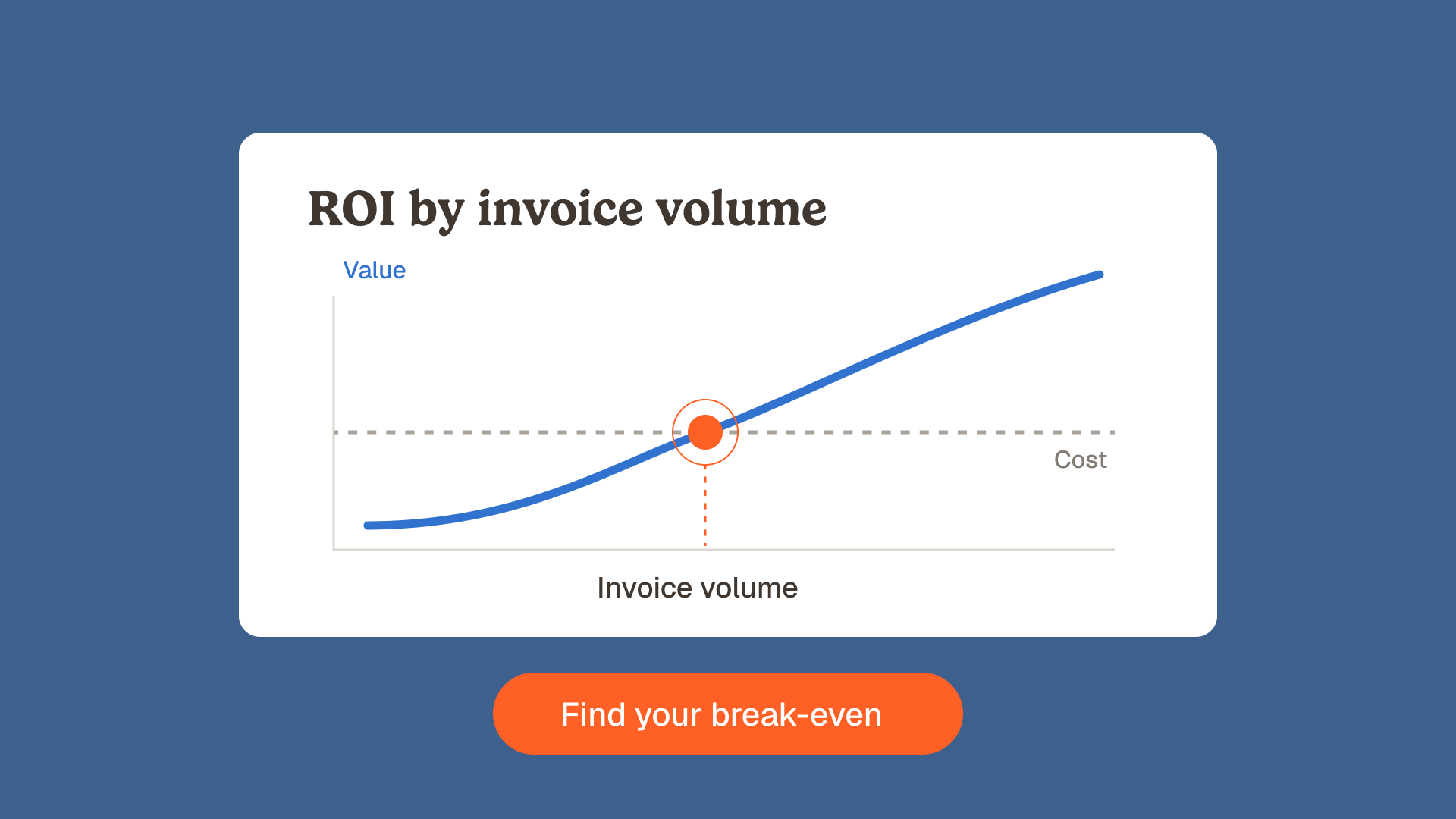
75% of companies prioritize AI but only 25% achieve significant value. Launching a 90-day pilot ensures you're in the successful minority. Real-world testing uncovers hidden challenges before scaling, ensuring efficient resource allocation. Pilots with clear KPIs see 3x higher adoption rates as teams witness immediate workflow improvements.
At the pilot's end, decide to scale, fix, or kill based on data. Scaling successful pilots boosts finance productivity by 40% in six months, reducing month-end closing time by 50%. This minimizes wasted resources while improving accuracy, speed, and team well-being through reduced repetitive tasks. Data-driven decisions drive sustainable growth.
Platforms like Phacet’s No-Code AI for business workflow automation enable finance teams to test pilots without heavy IT dependency. No-code platforms cut deployment from months to weeks, allowing real-time feedback loops for continuous improvement. This accelerates ROI realization and empowers finance professionals to lead change independently.
The leadership challenge: aligning the C-Suite for exponential ROI
Why a fragmented view of value limits your returns?
CFOs prioritize EBITDA, CTOs focus on technical efficiency, COOs on productivity metrics. This siloed perspective creates blind spots. Each department optimizes its own ROI, but the company misses exponential gains. Fragmented efforts lead to suboptimal overall performance. Without alignment, strategic goals remain unmet. Leadership teams often track only department-specific KPIs, preventing holistic value creation.
Without unified metrics, leadership makes fragmented decisions. Automating invoice processing reduces close cycles by 30%, but only when finance and operations align. Siloed KPIs prevent realizing full potential. Teams work at cross-purposes without shared goals. This misalignment stifles growth opportunities and margin improvements. Real-world examples show 1.5% margin gains when metrics are aligned.
Creating a shared value scorecard
A shared value scorecard integrates financial, operational, and strategic KPIs. It aligns all executives on common goals and measurable outcomes. This dashboard becomes the single source of truth for decision-making. For example, it tracks margin improvements up to 1.5% and faster closing cycles. Finance teams gain clear visibility into ROI and resource allocation. Strategic alignment drives tangible business impact.
- Financial: margin improvement (up to 1.5%), Cost of finance as % of revenue.
- Operational: days to close books (reduced by 30%), Invoice processing accuracy (99.5%).
- Strategic: employee satisfaction (increased 25%), Time on strategic tasks vs. manual work.
Funding AI without starving your core systems
AI investments often drain budgets from critical ERP or cybersecurity systems. Without proper guardrails, core operations risk degradation. Protect foundational tech while funding innovation. Balance is crucial for sustainable growth. Uncontrolled spending can destabilize essential infrastructure, jeopardizing long-term success and margin improvements.
Position AI as an intelligence layer that augments current systems. Establish clear budgetary guardrails to safeguard critical infrastructure. Automation reduces stress, smoothing closing cycles and improving work-life balance. ROI reaches 61% in year one with 7-8 month payback. Year two ROI exceeds 100% through reusable components. Finance teams gain more time for strategic work, boosting overall productivity. Real-world examples show 25% higher employee satisfaction scores when manual tasks are automated.
Achieving a measurable and meaningful AI automation ROI
Phacet automates finance tasks like invoice processing and expense approvals, reducing processing time by 40%. This drives up to 1.5% margin improvement and shortens month-end closing by 35%. Eliminating manual errors enhances accuracy and reduces team stress. Finance teams gain time for strategic analysis and proactive decision-making, directly boosting profitability. Real-time insights enable smoother cash flow management.
Define precise use cases with clear KPIs like processing time or error rates. Run 90-day pilots to validate impact before scaling. Align leadership with a shared scorecard tracking productivity, costs, and well-being metrics. Track metrics like cost per transaction and employee satisfaction to measure real-world impact. This ensures consistent ROI measurement across the organization.
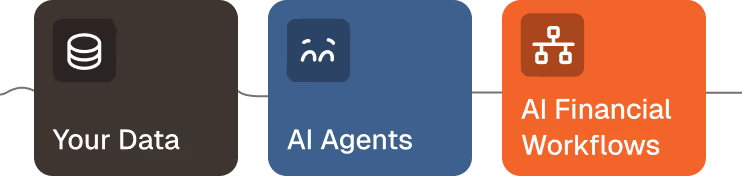
Phacet centralizes automation for finance teams, ensuring compliance and scalability. Our platform integrates seamlessly with existing systems while enhancing productivity. Finance leaders gain control over costs and strategic focus. Teams experience reduced stress and better work-life balance through streamlined workflows, improving retention and engagement. This creates a resilient, forward-thinking finance function that adapts to market changes and drives sustainable growth.
Ready to move from data chaos to clarity and unlock the full potential of your finance team? Explore our AI agent platform or check our pricing plans to start your ROI journey today.
AI automation ROI extends beyond cost savings, it’s strategic value driven by productivity gains, financial impact, and team well-being. Define targeted use cases, validate with 90-day pilots, and align leadership via a shared scorecard. Move from data chaos to clarity.
FAQ
What is the true ROI of AI?
AI ROI goes beyond simple financial calculations. It's a strategic framework that combines operational gains, customer impact, and organizational transformation. As one CFO shared, "It's not just about cutting costs, it's about creating new pathways for growth." This includes metrics like time-to-market acceleration, risk reduction, and team upskilling, all contributing to long-term value.
What is the 30% rule for AI adoption?
The 30% rule refers to a common benchmark where AI automation can reduce processing time by up to 30% for specific tasks like month-end financial closing. Tools like HighRadius have demonstrated this by streamlining reconciliation processes. "This isn't just a number, it's a tangible shift from manual chaos to structured efficiency," explains a finance leader.
What is the ROI of automation in business?
Automation ROI stems from both direct savings and indirect benefits. For example, automating invoice processing can cut processing time by 50% and reduce errors by 90%, directly saving costs. Beyond that, it frees up teams to focus on strategic work, improving morale and decision-making. "It’s a win-win: faster results and happier employees," notes a process manager.
Can AI automation generate revenue?
Absolutely. AI drives revenue by enhancing customer experiences and unlocking new opportunities. Banks using AI for personalized offers see up to 45% higher conversion rates. Similarly, predictive analytics helps identify untapped markets, while dynamic pricing optimizes sales. "AI doesn’t just save money, it creates new revenue streams," says a product innovator.
Latest Resources
Unlock your AI potential
Go further with your financial workflows — with AI built around your needs.